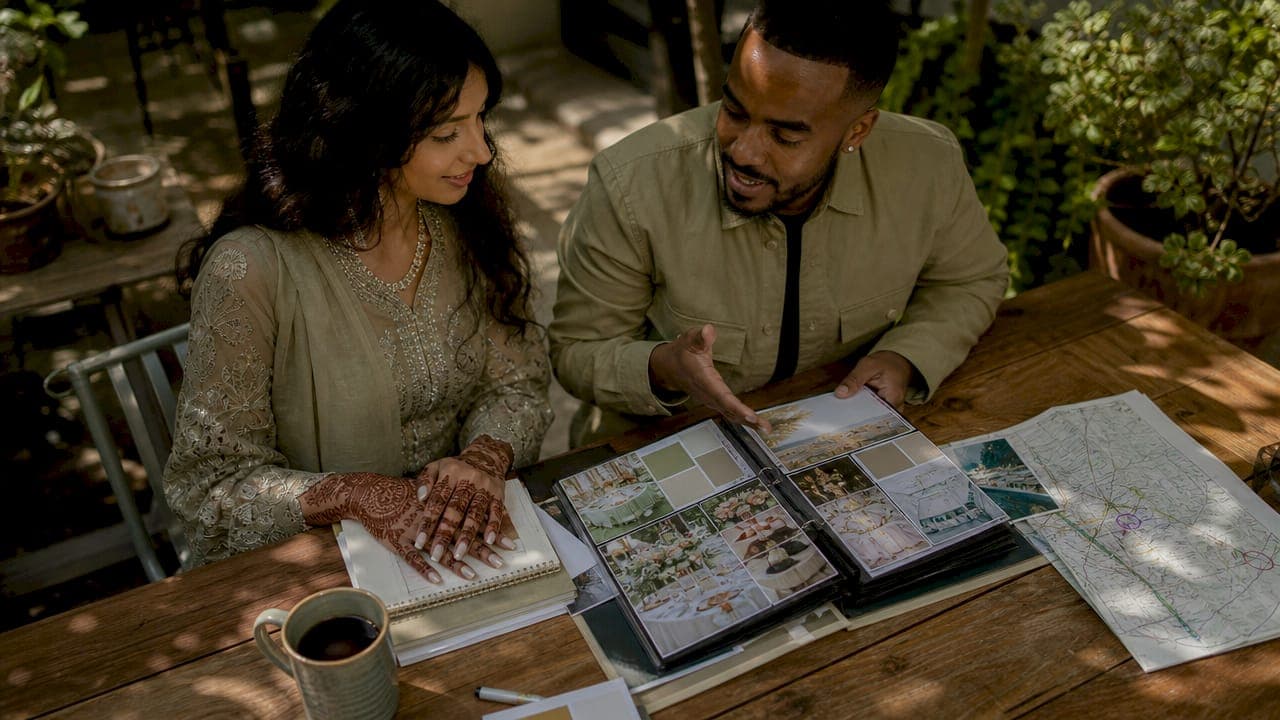
TL;DR:
- London's multicultural weddings celebrate the city's diverse communities by blending traditions with genuine respect and careful planning. Couples incorporate rituals like henna, Kente cloth, and tea ceremonies, reflecting authentic cultural pride. Proper coordination and understanding of legal requirements ensure meaningful, inclusive ceremonies without tokenism.
London cultural diversity in weddings is defined as the intentional integration of multiple cultural or religious traditions into a single ceremony, reflecting the city's extraordinary multicultural character. London is home to communities from South Asia, West Africa, the Middle East, East Asia, and across Europe, making it one of the world's most culturally layered cities for wedding celebrations. For engaged couples and families, this richness creates both a profound opportunity and a genuine responsibility: to honour each heritage with depth rather than decoration. Authentic multicultural weddings require careful planning, respectful communication, and a clear understanding of the UK's legal framework. The result, when done well, is a celebration that moves every guest and preserves something genuinely irreplaceable.
What is london cultural diversity in weddings, and why does it matter?
A multicultural London wedding is a ceremony that weaves together the rituals, symbols, attire, and customs of two or more cultural backgrounds into one cohesive celebration. The term "cultural fusion wedding" is the recognised industry phrase for this practice, and it sits alongside the broader concept of multicultural wedding photography as a growing specialism in London's wedding industry. What separates a genuinely multicultural wedding from a superficial one is intentionality. Every ritual included should carry meaning for the couple and their families, not simply add visual interest.
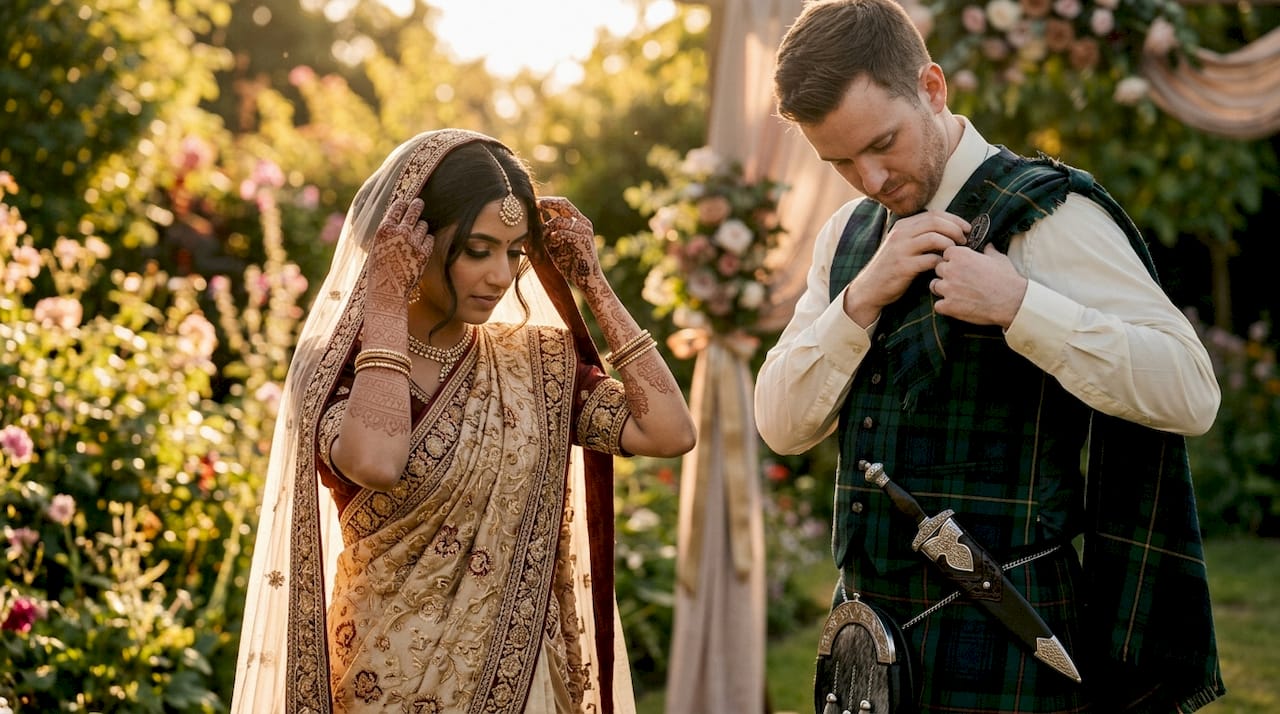
London's wedding scene reflects the city's demographics with striking clarity. Couples routinely blend South Asian and British traditions, merge Ghanaian and Italian customs, or unite Arabic and Persian heritage within a single venue. Each combination produces something entirely original. The London Asian wedding community alone encompasses Sikh, Hindu, Muslim, and Jain ceremonies, each with distinct rituals that require specific knowledge from every supplier involved.
What cultural traditions and rituals appear most in London multicultural weddings?
London's multicultural ceremonies draw from a remarkable range of symbolic traditions. The most frequently incorporated include:
- Mehndi and henna ceremonies from South Asian and North African traditions, where intricate patterns applied to the bride's hands and feet carry blessings for the marriage
- Sofreh Aghd from Persian weddings, an elaborate ceremonial spread of symbolic items including mirrors, candles, herbs, and bread, each representing a wish for the couple's future
- Kente cloth and traditional Ghanaian attire, worn during the outdooring or knocking ceremony, where families formally present gifts and blessings
- Breaking of the glass in Jewish ceremonies, a moment of collective memory and joy that resonates powerfully even with guests unfamiliar with the tradition
- Tea ceremonies from Chinese and Vietnamese backgrounds, where the couple serve tea to elders as a formal act of respect and welcome into the family
- Nikah and Arya Samaj ceremonies, each with specific recitations, witnesses, and ritual sequences that require knowledgeable officiants
Couples also integrate heritage through details such as Arabian jasmine in bridal styling and fusion menus created with venue chefs, blending flavours from both backgrounds into a single, cohesive dining experience. These details communicate cultural pride without requiring explanation.
Pro Tip: Ask each family to nominate one elder who can explain the significance of their most important ritual. This single conversation will shape every decision that follows, from timing to photography angles.
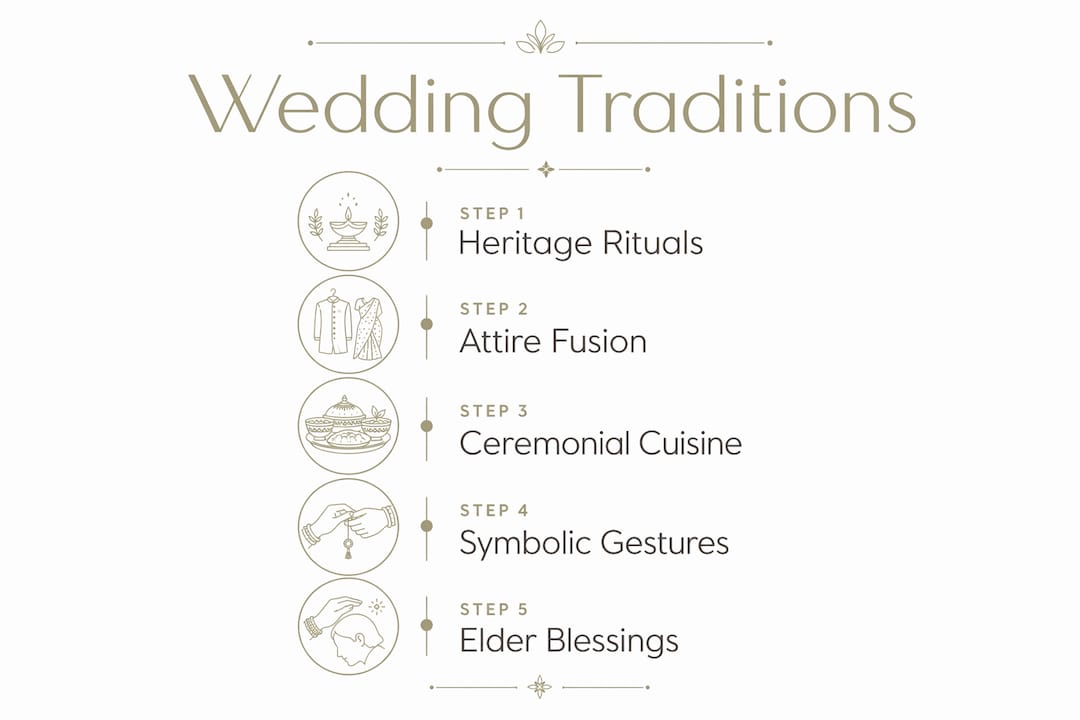
How do you plan a multicultural wedding in London effectively?
Planning a multicultural wedding in London is a logistical undertaking that rewards early action. Complex multicultural weddings typically require an engagement period of six months or more to coordinate the range of traditions, suppliers, and family expectations involved. Couples who begin planning later than this consistently find themselves compressing decisions that deserve careful thought.
A structured approach makes the difference between a celebration that flows and one that fragments. The following sequence works well for most multicultural London weddings:
- Agree on the ceremony structure first. Decide which rituals from each background will be included, their order, and their approximate duration. This single decision shapes every other choice.
- Appoint a professional coordinator early. Planners design events so couples can remain fully present throughout multiple rituals and outfit changes, rather than managing transitions themselves. This is not a luxury; it is a practical necessity for complex celebrations.
- Choose your venue with cultural flexibility in mind. Dry-hire venues offer the flexibility needed for multiple cultural rituals, but they add logistical complexity and almost always require a dedicated planner to manage suppliers effectively.
- Brief every supplier on cultural context. Caterers, florists, musicians, and photographers all need to understand the significance of each ritual before the day arrives. A florist who does not know that marigolds carry specific meaning in a Hindu ceremony cannot make informed choices.
- Plan for international guests. Multi-day events with guests travelling from abroad require accommodation blocks, clear itineraries, and thoughtful communication about dress codes for each ceremony.
- Build in transition time. Outfit changes between ceremonies, particularly in South Asian and West African weddings, require more time than most couples initially allocate.
Pro Tip: Create a single shared document that every supplier can access, listing each ritual, its duration, its cultural significance, and any photography or behaviour guidelines. This eliminates the need to repeat briefings and reduces the risk of a supplier making an uninformed decision on the day.
What legal requirements apply to multicultural weddings in London?
The legal framework for weddings in England and Wales is clear, though it surprises many couples. Only civil or Church of England ceremonies carry automatic legal recognition. This means that a Sikh Anand Karaj, a Hindu Vedic ceremony, a Muslim Nikah, or a Persian Sofreh Aghd ceremony, however elaborate and meaningful, does not create a legally recognised marriage without separate civil registration.
The practical implications are significant. Couples face the following requirements:
- Separate civil registration is required for legal validity when the cultural or religious ceremony takes place outside a licensed civil or Church of England venue
- Notice of marriage must be given to the local register office at least 28 days before the civil ceremony
- Both parties must be present at the civil registration, which can take place before or after the cultural celebration
- Licensed venues can conduct legally recognised ceremonies for some non-Anglican faiths, but the venue must hold the appropriate licence and the officiant must be approved
Many couples choose a simple civil registry signing separate from the main cultural celebration, treating the legal formality as a private moment with close family before the larger event. This approach is both practical and increasingly common in London. Confirming requirements directly with your local register office is the most reliable way to avoid misunderstandings, as local authority procedures can vary.
How can couples incorporate multiple cultures without tokenism?
Tokenism in multicultural weddings is defined as the superficial inclusion of cultural elements for visual effect, without genuine understanding or significance. Experts advise that multicultural planning grounded in respect and authentic representation produces ceremonies that resonate far more deeply with guests and honour heritage with the dignity it deserves.
The distinction between authentic integration and tokenism often comes down to space and significance. Consider the contrast:
| Approach | Authentic integration | Tokenistic inclusion |
|---|---|---|
| Attire | Both partners wear traditional garments from their respective backgrounds at specific ceremony stages | One partner wears a decorative element from the other's culture without context or meaning |
| Ritual | The Sofreh Aghd is arranged by family members who know its symbolism and explain it to guests | A decorative spread is styled by a florist with no cultural knowledge |
| Cuisine | A fusion menu is developed with chefs from both culinary traditions | A single dish from one background appears as a novelty course |
| Music | Live musicians perform traditional pieces at culturally appropriate moments | A playlist includes one song from each background without ceremony context |
Early, respectful communication avoids tokenism and ensures each tradition is valued. The most effective approach is to give each cultural element enough time, space, and explanation that guests from outside that tradition can appreciate its meaning. Authentic multicultural weddings do not require guests to share a background; they require hosts who present each tradition with genuine pride.
Pro Tip: Invite a knowledgeable family member or community elder to write a short explanation of each ritual for your order of service. Guests who understand what they are witnessing engage far more deeply, and the gesture itself communicates respect.
Key takeaways
London cultural diversity in weddings is best honoured through intentional planning, legal awareness, and genuine respect for each tradition's meaning and significance.
| Point | Details |
|---|---|
| Legal registration is separate | Cultural ceremonies require a separate civil registration for legal recognition in England and Wales. |
| Plan at least six months ahead | Complex multicultural weddings need six months or more to coordinate traditions, suppliers, and family expectations. |
| Dry-hire venues offer flexibility | These venues suit multi-ritual celebrations but require a dedicated coordinator to manage suppliers effectively. |
| Authenticity prevents tokenism | Each cultural element should carry genuine meaning, supported by family knowledge and adequate time in the programme. |
| Photography requires cultural knowledge | Photographers must understand cultural nuances to capture meaningful moments with sensitivity and respect. |
What I have learned photographing London's multicultural weddings
Every multicultural wedding I photograph teaches me something I did not know before. I have stood at the edge of a Persian Sofreh Aghd, watching a bride's grandmother arrange pomegranates with hands that knew exactly where each item belonged. I have photographed the moment a Ghanaian family presented kente cloth to a groom who had never worn it before, and seen his face change as the weight of it settled on his shoulders. These are not decorative moments. They are the entire point.
What I have found, working across London's extraordinary range of cultural ceremonies, is that the couples who feel most at ease on the day are those who gave each tradition genuine space. They did not rush the henna. They did not abbreviate the tea ceremony. They trusted that their guests could hold their attention for something unfamiliar, and they were always right. The guests who came expecting a standard reception left having witnessed something they will describe for years.
The coordination challenges are real. Cultural wedding cinematography and photography require understanding traditions to capture moments with sensitivity and respect. I prepare for every multicultural wedding by researching each ritual, speaking with the families, and identifying the moments that carry the most emotional weight. A photographer who arrives without that preparation will miss the images that matter most.
My strongest advice to any couple planning a multicultural celebration is this: trust your heritage. The details that feel most personal to you will resonate most powerfully with every guest in the room.
— Rashpal
Rashpal-photography and multicultural London weddings
Rashpal-photography specialises in capturing the full richness of multicultural ceremonies across London, from the cinematic grandeur of a Sikh Anand Karaj to the intimate elegance of a Persian Sofreh Aghd. Every wedding is approached with cultural sensitivity, thorough preparation, and a photojournalistic eye that preserves the moments families will return to for generations.
The Classic Investment package covers 14 hours across a full wedding day, making it well suited to multi-ceremony celebrations that unfold across morning, afternoon, and evening. For couples planning a more focused celebration, the wedding photography packages page outlines every option in detail. Get in touch to discuss your specific traditions and how Rashpal-photography can document them with the artistry and respect they deserve.
FAQ
What is a multicultural wedding in London?
A multicultural wedding in London is a ceremony that integrates the rituals, attire, and customs of two or more cultural or religious backgrounds into a single celebration. London's diverse communities make it one of the most active cities in the world for this style of wedding.
Do cultural ceremonies have legal recognition in the UK?
Only civil or Church of England ceremonies carry automatic legal recognition in England and Wales. All other cultural or religious ceremonies require a separate civil registration to create a legally valid marriage.
How far in advance should you plan a multicultural London wedding?
Professional planners recommend an engagement period of six months or more for complex multicultural weddings. This allows sufficient time to coordinate multiple suppliers, cultural rituals, and family expectations without compressing important decisions.
What venues work best for multicultural ceremonies in London?
Dry-hire venues offer the greatest flexibility for multi-ritual celebrations, as they allow couples to bring in their own suppliers and arrange the space to suit each tradition. They do require a dedicated coordinator to manage the additional logistical complexity effectively.
How do you avoid tokenism in a multicultural wedding?
Tokenism is avoided by giving each cultural element genuine time, space, and context within the ceremony. Early communication with both families, supported by knowledgeable officiants and suppliers, ensures every ritual is presented with the significance it deserves.