TL;DR:
- A London waterfront wedding features ceremonies held on floating or land-based riverside venues along the Thames. These settings offer unique atmospheres, with floating venues providing dynamic views and land-based ones providing architectural grandeur. Early planning, license verification, and restrained décor help create a memorable celebration that emphasizes the river's natural beauty.
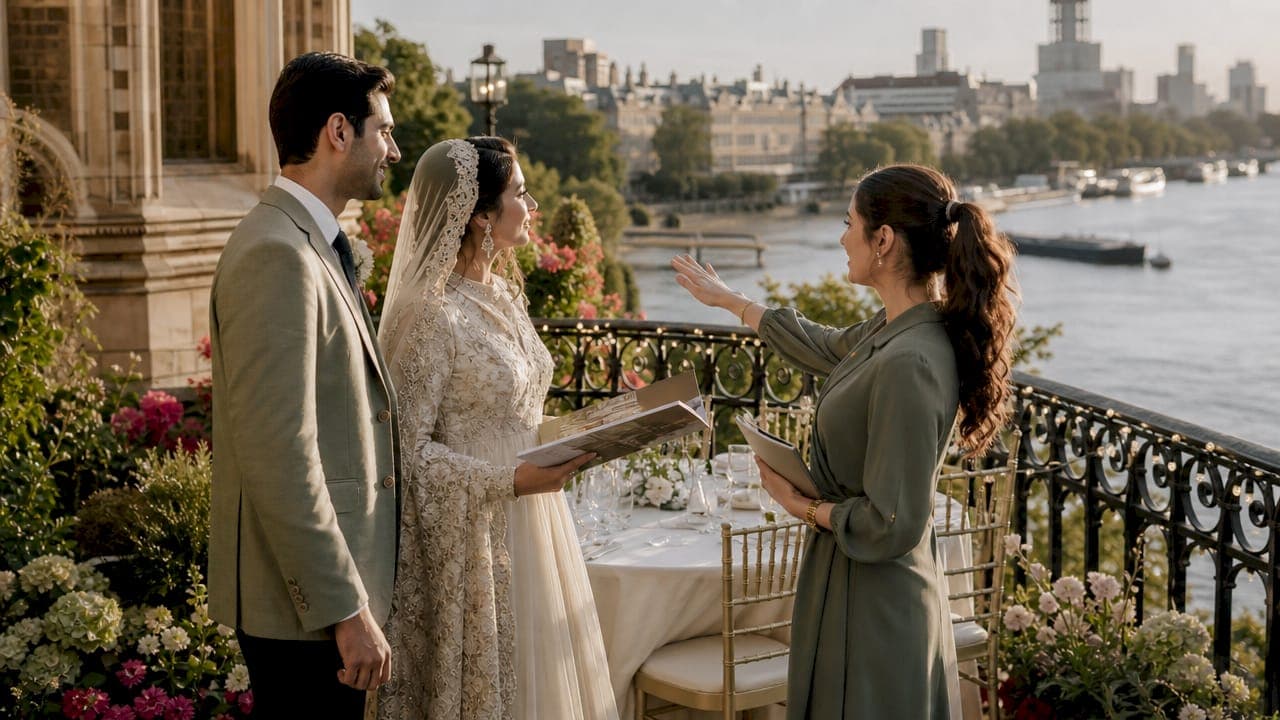
A London waterfront wedding is a celebration held at venues located by or on the River Thames, combining iconic backdrops with an atmosphere that is at once cinematic and deeply romantic. These weddings take two distinct forms: floating venues such as yachts, barges, and cruising boats, or land-based riverside properties including historic clubs, glass-fronted suites, and landmark rooms. Venues like Battersea Barge, Tower Bridge, and City Cruises have made the Thames one of the most sought-after settings for a waterfront marriage ceremony in the world. The result is a wedding that feels genuinely unlike anything else London has to offer.
What is a London waterfront wedding, and what venue types are available?
A London waterfront wedding spans two broad categories: floating venues and land-based riverside properties. Each offers a fundamentally different experience, and understanding the distinction helps couples choose with confidence rather than compromise.
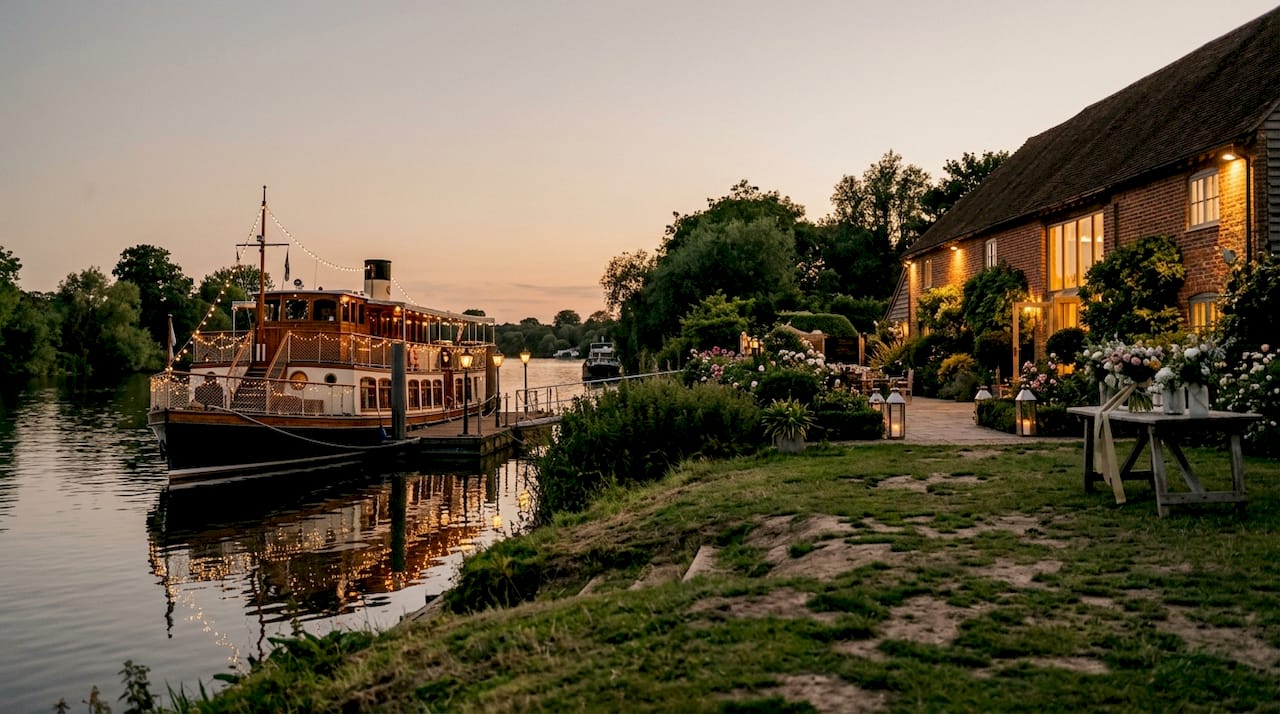
Floating venues and land-based riverside properties each bring their own character to a Thames celebration. Floating options include converted barges, private yachts, and chartered cruisers. The Battersea Barge, moored on the South Bank, seats up to 80 guests and delivers an intimate, bohemian atmosphere with exposed timber and candlelit interiors. City Cruises offers moving celebrations where guests watch the city's skyline shift from Westminster to Greenwich as the evening unfolds.
Land-based riverside venues anchor the drama of the Thames to a fixed, often historic setting. Tower Bridge offers event spaces for 50–120 guests depending on the room, with the bridge's Victorian Gothic architecture providing a backdrop that no floral arrangement could rival. Raven's Ait, a private island on the Thames near Surbiton, combines indoor halls with outdoor terraces, making it one of the most versatile London riverfront wedding locations available.
| Venue | Type | Capacity | Distinctive feature |
|---|---|---|---|
| Battersea Barge | Floating | Up to 80 | Intimate barge with exposed timber |
| City Cruises | Floating (moving) | Varies | Panoramic Thames cruise |
| Tower Bridge | Land-based | 50–120 | Victorian Gothic landmark rooms |
| Raven's Ait | Land-based island | Varies | Private island with indoor/outdoor spaces |
Key features to weigh when comparing venue types:
- Views: Fixed venues offer a consistent iconic backdrop; floating venues offer a changing, cinematic panorama.
- Capacity: Barges and yachts suit intimate gatherings; landmark riverside rooms accommodate larger parties.
- Atmosphere: Floating venues feel immersive and exclusive; land-based venues often carry architectural grandeur.
- Logistics: Fixed venues simplify guest access; floating venues require coordinated boarding times.
What logistical and environmental factors should couples consider?
Waterfront weddings carry logistical demands that inland venues simply do not. Addressing these early separates a flawless celebration from a stressful one.
Weather is the most immediate concern. The Thames corridor is exposed to wind and humidity, particularly in spring and autumn. Sailcloth tents with removable sidewalls manage river breezes without blocking the view, and heating units keep guests comfortable during cooler months. This approach preserves the open, airy feel of the waterfront while protecting against the unpredictability of British weather.
Floating venues on the Thames are subject to tidal and traffic regulations that affect boarding times, cruising routes, and noise restrictions. Some floating venues hold licences only for receptions, which means couples must arrange a separate licensed venue for the legal ceremony itself. Confirming the full scope of a venue's licence before signing any contract is non-negotiable.
Booking timelines are equally demanding. City Cruises recommends booking 12–18 months in advance for peak dates, particularly june through september. That lead time reflects genuine demand, not marketing pressure. Couples who leave bookings later than nine months out regularly find their preferred dates already taken.
Pro Tip: Ask every floating venue for a copy of its current Thames licence before you discuss catering or décor. Knowing the exact permissions upfront prevents costly last-minute venue changes.
Additional logistical points to plan for:
- Guest transport and parking near riverside locations, which are often limited.
- Contingency plans for ceremony relocation if weather deteriorates sharply.
- Noise curfews, which Thames venues enforce strictly after a certain hour.
- Accessibility requirements, as boarding floating venues can be challenging for guests with mobility needs.
How do design and décor choices complement a waterfront venue?
The most important décor principle for a London waterfront wedding is restraint. Waterfront venues provide an immersive romantic atmosphere that reduces the need for elaborate decoration. The river, the skyline, and the light do the heavy lifting. Your décor should complement that setting, not compete with it.
Neutral, textured materials such as natural wood, soft linens, and frosted glass work harmoniously with the water's reflective quality. Overly busy colour palettes or ornate centrepieces draw the eye away from the view and create a visual tension that photographs poorly. The most elegant waterfront receptions tend to use a restrained palette of ivory, sage, dusty blue, or warm terracotta.
Lighting deserves particular attention. Candles and warm Edison bulbs echo the golden tones of the river at dusk. String lights suspended above an outdoor terrace create a soft canopy effect that feels both intimate and cinematic. Avoid cold white or blue-toned lighting, which flattens the warmth of the waterside setting.
Specific décor choices that work well at waterfront weddings:
- Floral placement: Low arrangements on tables preserve sightlines to the water; tall installations work best away from windows.
- Furniture: Rattan, bleached oak, and linen-upholstered chairs feel natural beside the Thames.
- Table settings: Clear glassware and polished silverware catch the light beautifully against a river backdrop.
Pro Tip: Visit your venue at the same time of day as your planned reception. The quality and direction of light changes dramatically between noon and dusk, and seeing it firsthand shapes every décor decision that follows.
What are typical pricing models for London waterfront venues?
London waterfront weddings sit firmly in the premium tier of the capital's wedding market. All-inclusive packages at central London waterfront venues range from approximately £275 to £385 per person. That figure typically covers venue hire, catering, and a degree of décor provision, though the exact inclusions vary considerably between properties.
Dry hire options are common for floating venues, where couples pay for the boat itself and source all catering, staffing, and equipment independently. Dry hire offers creative freedom but requires careful budgeting, as the cumulative cost of separate suppliers often exceeds an all-inclusive package.
Hidden costs catch many couples off guard. Permits for certain Thames routes, public liability insurance for floating events, and equipment rentals such as generators or portable heating units add meaningfully to the final bill. Build a contingency of at least ten per cent into your waterfront wedding budget.
Comparing value between venue types:
- Floating venues: Lower base hire cost, but dry hire logistics add up quickly.
- Land-based landmark venues: Higher per-person cost, but more predictable all-in pricing.
- Island venues like Raven's Ait: Mid-range pricing with strong flexibility between indoor and outdoor spaces.
How to plan a successful London waterfront wedding
Successful planning for a London riverfront wedding begins with timing. Natural light near water reflects brightly, and photographers who understand this schedule portrait sessions during the golden hour, roughly 45–60 minutes before sunset, to avoid harsh shadows and overexposure. Booking a photographer with specific waterfront experience is not a luxury. It is a practical necessity.
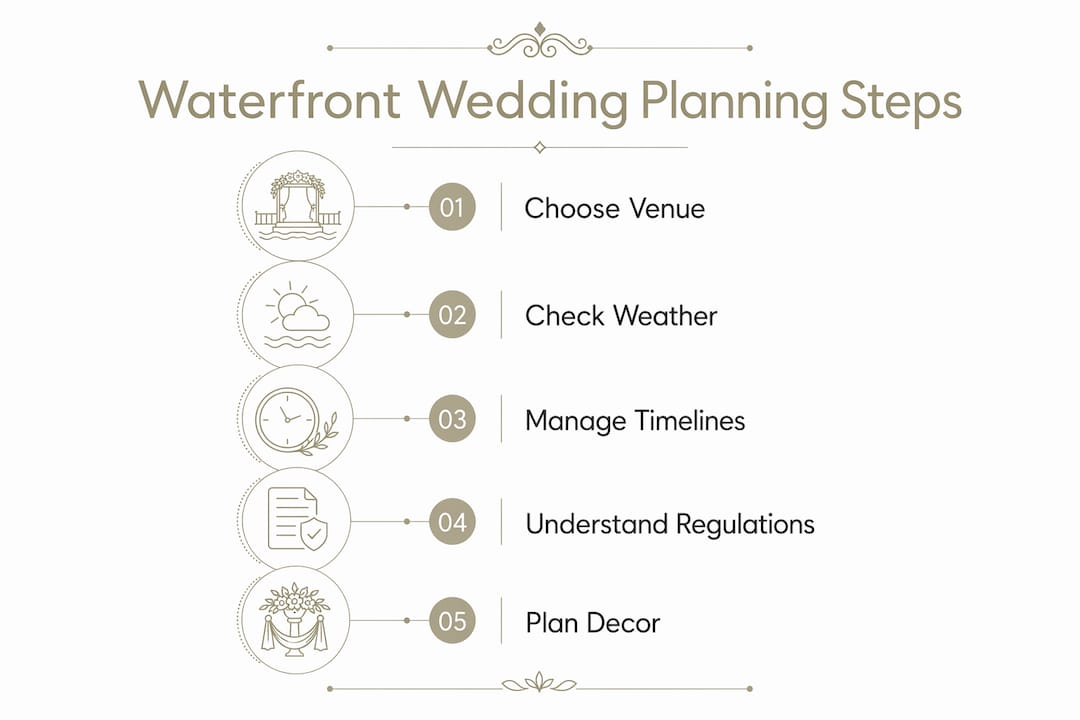
A practical planning sequence for couples:
- Confirm venue licence type before any other booking. Ceremony and reception licences are separate on many Thames venues.
- Book the venue at least 12–18 months ahead for peak season dates.
- Appoint a wedding planner with waterfront event experience, particularly if using a floating venue.
- Select vendors who have worked at your specific venue before. Caterers and florists familiar with the space work more efficiently.
- Plan guest transport early. Riverside venues often have limited parking, and coordinating water taxis or shuttle buses takes time to arrange.
- Create a weather contingency plan with your venue coordinator, including a clear trigger point for moving the event indoors.
Venue flexibility combining indoor and outdoor spaces provides resilience against British weather while preserving the waterfront atmosphere. Venues like Raven's Ait are designed with this dual-use in mind, and choosing a property with genuine indoor alternatives removes significant stress from the planning process.
Pro Tip: Brief your photographer on the venue's tidal schedule if you are using a floating venue. Boarding windows are fixed, and a late photography session can mean missing the best light entirely.
Key takeaways
A London waterfront wedding succeeds when couples choose the right venue type, plan logistics early, and let the natural setting lead the aesthetic.
| Point | Details |
|---|---|
| Define your venue type first | Choose between floating venues and land-based riverside properties before any other decision. |
| Book 12–18 months ahead | Peak Thames dates fill quickly; early booking secures the best venues and suppliers. |
| Licence confirmation is critical | Some floating venues only hold reception licences, requiring a separate ceremony location. |
| Restrain your décor | Neutral textures and low floral arrangements complement the waterfront without competing with it. |
| Budget for hidden costs | Permits, insurance, and equipment rentals add meaningfully beyond the headline venue price. |
Why waterfront weddings stay with you long after the day
I have photographed weddings at venues across London, from grand ballrooms to intimate garden settings, and nothing quite compares to the quality of light and emotion that a Thames waterfront produces. There is something about the way the river holds the last of the evening sun, casting a warm, shifting glow across the water, that makes every portrait feel genuinely cinematic without any effort from the couple at all.
My favourite moments have come at venues like Battersea Barge, where the combination of warm timber interiors and the open river creates an atmosphere that feels both grounded and romantic. I have also worked near Raven's Ait, where the transition from outdoor ceremony to indoor reception happens so naturally that guests barely notice the shift. That kind of indoor and outdoor flexibility is what separates a genuinely well-chosen venue from one that looks beautiful in photographs but creates anxiety on the day.
My honest advice is this: resist the urge to over-decorate. Every couple I have worked with who kept their waterfront décor restrained has ended up with images they love more deeply than those who filled every surface. The Thames is already extraordinary. Your wedding should feel like it belongs there, not like it is trying to outshine it.
— Rashpal
Waterfront wedding photography with Rashpal-photography

A London waterfront wedding deserves photography that understands the setting as well as you do. Rashpal-photography specialises in capturing the interplay of natural light, water, and genuine emotion that defines Thames celebrations. From the golden hour portraits on a South Bank barge to the grand architectural drama of a Tower Bridge reception, every image is crafted to feel timeless.
Rashpal-photography offers full wedding day coverage alongside dedicated engagement sessions, giving couples the chance to experience the photographer's approach before the wedding day itself. For couples planning a waterfront celebration, an engagement shoot package at a riverside location is an ideal way to understand how the light and setting will work in your final images. Dates for peak summer months book quickly, so reaching out early is always worthwhile.
FAQ
What is a London waterfront wedding?
A London waterfront wedding is a ceremony or reception held at a venue located by or on the River Thames, including floating venues like barges and yachts, as well as land-based riverside properties such as Tower Bridge and Raven's Ait.
Can you legally marry on a boat on the Thames?
Many floating Thames venues hold licences only for receptions, not legal ceremonies. Couples typically hold the legal ceremony at a separately licensed venue and then board the boat for the reception.
How far in advance should you book a Thames waterfront venue?
City Cruises and similar operators recommend booking 12–18 months ahead for peak dates, particularly june through september, due to consistently high demand.
What décor works best at a waterfront wedding?
Neutral, textured materials such as natural wood, soft linens, and clear glassware complement the waterfront setting without competing with the river views. Restrained colour palettes in ivory, sage, or dusty blue photograph particularly well.
What hidden costs should couples budget for?
Permits for Thames cruising routes, public liability insurance for floating events, portable heating, and equipment rentals are common additional costs that sit outside standard venue hire fees.