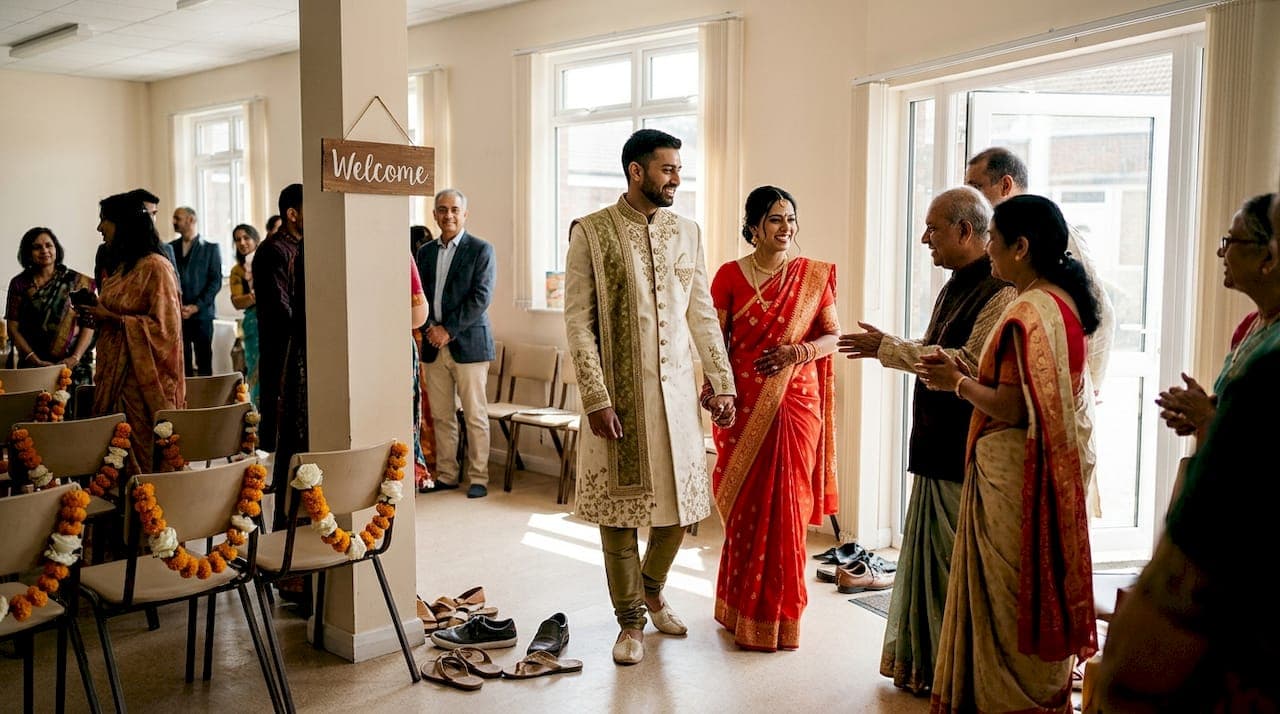
Planning a wedding that honours the rich tapestry of Asian cultural traditions, while also reflecting your own modern love story, is one of the most rewarding and complex journeys a couple can undertake. For Asian couples in the UK, the challenge is real: balancing family expectations, community rituals, and the desire for something genuinely personal. Whether your roots lie in South Asia, East Asia, or the Middle East, understanding the ceremonies available to you is the first step towards creating a celebration that feels both deeply meaningful and visually breathtaking. This guide walks you through popular ceremonies, key rituals, planning essentials, and photography priorities.
Table of Contents
- Popular Asian wedding ceremonies
- Key rituals and their meanings
- Planning tips for a perfect ceremony
- Comparing rituals: Visuals, meaning, and what to capture
- A fresh perspective: Why your story deserves expert attention
- Capture every moment with the right team
- Frequently asked questions
Key Takeaways
| Point | Details |
|---|---|
| Know your rituals | Understanding unique wedding traditions helps in planning and capturing every meaningful moment. |
| Plan photography early | Booking professional photographers well in advance ensures the best coverage of your ceremonies. |
| Blend tradition and vision | A mix of cultural elements and modern details creates a truly personal and memorable wedding. |
| Expert support is key | Coordinators and experienced photographers can make multi-day and multicultural celebrations seamless. |
Popular Asian wedding ceremonies
Across the UK's vibrant Asian communities, wedding celebrations are as diverse as the cultures they represent. Each ceremony carries its own visual language, from the jewel-toned silks of a Hindu ceremony to the serene white formality of a Japanese Shinto rite. Understanding the breadth of global wedding rituals can help you decide which traditions to honour, adapt, or blend into your own celebration.
Here is a brief overview of the most celebrated Asian wedding ceremonies:
- Hindu weddings: Centred around the sacred fire (Agni), rituals such as the Saptapadi (seven steps) and Jai Mala (exchange of garlands) create visually stunning, emotionally charged moments. Rich reds, golds, and intricate embroidery define the aesthetic.
- Sikh weddings (Anand Karaj): Held in the Gurdwara, the four Laavan (circumambulations) around the Guru Granth Sahib are both spiritually profound and photographically powerful. The bride's red and gold attire is iconic.
- Chinese weddings: The Tea Ceremony (Gai Cha) is a cornerstone ritual, symbolising respect for elders. Red and gold dominate, representing luck and prosperity.
- Japanese Shinto weddings: Characterised by serene formality, white kimonos, and the San-san-kudo sake ritual, these ceremonies are visually refined and deeply symbolic.
- Korean weddings (Hanbok ceremony): The Pyebaek, a post-ceremony family ritual, features vibrant Hanbok dress and symbolic gestures of respect and fertility.
- Muslim weddings (Nikah): The Nikah is a formal contract ceremony, often followed by the Walima feast. Elegant attire and heartfelt family moments define the visual narrative.
One of the most beloved pre-wedding rituals across South Asian traditions is the Mehndi ceremony, where intricate henna patterns are applied to the bride's hands and feet. As deeper mehndi colour signifies stronger love, this ritual is as symbolic as it is visually spectacular. Exploring Asian photography scenes can inspire you to think creatively about how each ceremony's setting and colour palette can be captured at its most luminous.
Pro Tip: If you are blending two cultural traditions, consider holding separate ceremonies on different days. This gives each ritual the space and time it deserves, and gives your photographer the opportunity to capture every meaningful detail without rushing.
Key rituals and their meanings
Every ceremony is built upon a series of rituals, each carrying layers of symbolism that have been passed down through generations. Understanding these moments is essential, not only for your own appreciation, but for ensuring your photographer knows exactly where to focus.
Here is a comparison of iconic rituals across major Asian wedding traditions:
| Ritual | Culture | Symbolic meaning | Key photography moment |
|---|---|---|---|
| Mehndi | South Asian | Love, beauty, and spiritual protection | Close-up of intricate henna patterns |
| Joota Chupai | South Asian | Playful power balance between families | Candid laughter and family interaction |
| San-san-kudo | Japanese | Auspicious union through shared sake | Quiet, intimate exchange between couple |
| Pyebaek | Korean | Family blessing and fertility | Bride catching chestnuts in her skirt |
| Nikah | Muslim | Sacred contract and commitment | Signing of the contract, family witness |
| Tea Ceremony | Chinese | Respect for elders and family unity | Couple serving tea, elders' expressions |
The Japanese San-san-kudo ritual involves nine sips of sake, marking an auspicious union between two families. The number nine is considered deeply fortunate in Japanese culture, and the slow, deliberate nature of this ritual creates an atmosphere of quiet reverence that translates beautifully in photography.
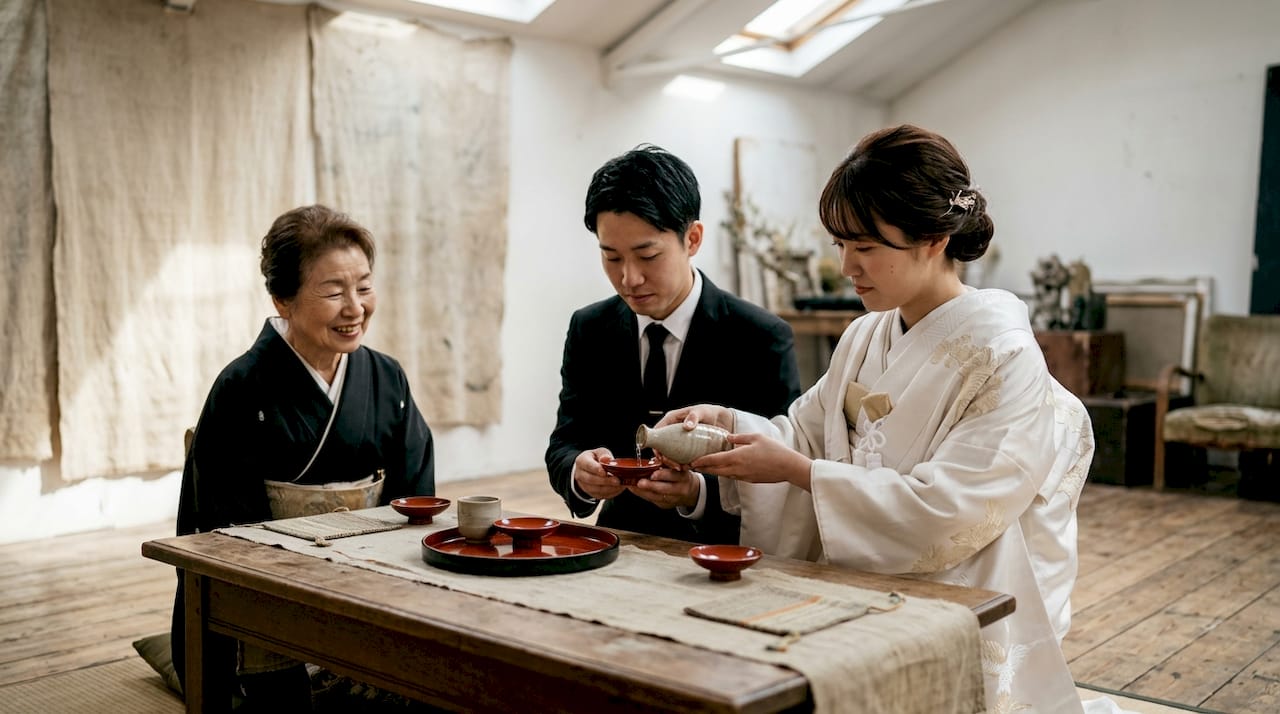
In the Korean Pyebaek, catching chestnuts in the bride's skirt is believed to predict family fertility, and the joy and laughter that accompany this moment are utterly cinematic. These are the kinds of spontaneous, culturally specific moments that make Asian wedding photography so extraordinary.
For capturing Asian wedding beauty at its finest, a photographer must understand the emotional weight behind each ritual. The right wedding photography does not simply document what happens; it interprets the meaning behind every gesture, glance, and exchange.
Key rituals worth prioritising for photography include:
- The first moment the couple sees each other in full ceremonial attire
- Family blessings and the exchange of garlands or rings
- Any ritual involving fire, water, or sacred objects
- Candid family interactions during playful rituals such as Joota Chupai
Pro Tip: Share a detailed timeline of your rituals with your photographer at least two weeks before the wedding. Include the name, duration, and emotional significance of each moment so they can plan their positioning and lighting in advance.
Planning tips for a perfect ceremony
Organising a multi-day Asian wedding in the UK requires meticulous planning, particularly when multiple cultural traditions are involved. The earlier you begin, the more seamlessly everything will come together.
Here are the essential steps to guide your planning:
- Book your photographer early. Book photographers 6 to 12 months in advance to secure the best availability, particularly for multi-day events during peak summer months.
- Secure your venue. Many Asian weddings require large spaces for multiple ceremonies. Visit venues with your family and consider acoustics, natural light, and accessibility.
- Engage a wedding coordinator. A specialist coordinator who understands Asian wedding planning will help you manage timelines, family logistics, and cultural requirements with grace and efficiency.
- Create a shot list. Work with your photographer to identify the essential moments, from ritual close-ups to wide establishing shots of the venue and guests.
- Plan for transitions. Multi-ceremony events require careful scheduling between outfit changes, venue moves, and ritual timings.
- Communicate with family. Involve key family members early in the planning process to ensure their roles in traditional rituals are clearly understood and respected.
Understanding the role of working with coordinators is particularly valuable for couples navigating the intersection of two cultural traditions. A skilled coordinator acts as a bridge between generations, honouring the expectations of elders while creating space for the couple's personal vision.
Pro Tip: Build at least 30 minutes of buffer time between each ceremony or ritual. This allows for natural, unhurried photography and gives guests time to settle before the next meaningful moment begins.
Comparing rituals: Visuals, meaning, and what to capture
To help you prioritise your planning, here is a side-by-side comparison of what different ceremonies look and feel like, and which moments deserve the greatest photographic attention.
| Ceremony | Dominant colours | Emotional tone | Must-capture moment |
|---|---|---|---|
| Hindu | Red, gold, orange | Joyful, vibrant, sacred | Saptapadi around the fire |
| Sikh | Red, gold, white | Reverent, communal | Laavan circumambulations |
| Chinese | Red, gold | Warm, familial | Tea ceremony with elders |
| Japanese Shinto | White, gold | Serene, formal | San-san-kudo sake exchange |
| Korean | Multi-colour Hanbok | Playful, celebratory | Pyebaek chestnut catching |
| Muslim | White, gold, jewel tones | Intimate, solemn | Nikah contract signing |
As BBC notes, the iconic shoe-hiding ritual known as Joota Chupai is shared across South Asian weddings regardless of religion, making it a joyful, universally recognised moment of laughter and family connection.
"The most powerful wedding photographs are not always the grand, posed portraits. They are the quiet, unscripted moments where culture, family, and love intersect in a single frame."
When deciding which elements to highlight, consider the following:
- Which rituals carry the deepest personal or spiritual significance for you and your family?
- Which moments are most visually distinctive and unlikely to be replicated in any other ceremony?
- Which parts of the day will your guests remember and speak about for years to come?
Exploring behind Asian wedding photos reveals how much preparation goes into capturing these moments authentically. A bespoke photography service ensures that your unique cultural story is told with the artistry and sensitivity it deserves.
A fresh perspective: Why your story deserves expert attention
After years of photographing Asian weddings across the UK, we have come to believe something that many couples only realise in hindsight: no template, however beautifully designed, can do justice to the nuance of your cultural story.
The couples who treasure their wedding photographs most are not those who followed a standard checklist. They are the ones who worked with photographers and planners who genuinely understood the meaning behind each ritual, who could anticipate the moment a mother's eyes filled with tears during the Laavan, or the precise second a bride's dupatta caught the light.
This is not simply a matter of technical skill. It is about cultural fluency, emotional intelligence, and the ability to see your wedding as the singular, irreplaceable event that it is. Generational expectations and modern creativity need not be in conflict; with the right guidance, they can produce something truly extraordinary. We believe that right photography makes the difference between a collection of images and a legacy you will pass down through generations.
Capture every moment with the right team
Your wedding ceremonies are layered with meaning, colour, and emotion that deserve to be preserved with the utmost care and artistry. Choosing a photography team with genuine cultural understanding ensures that every ritual, from the most intimate blessing to the most exuberant celebration, is captured in its full splendour.
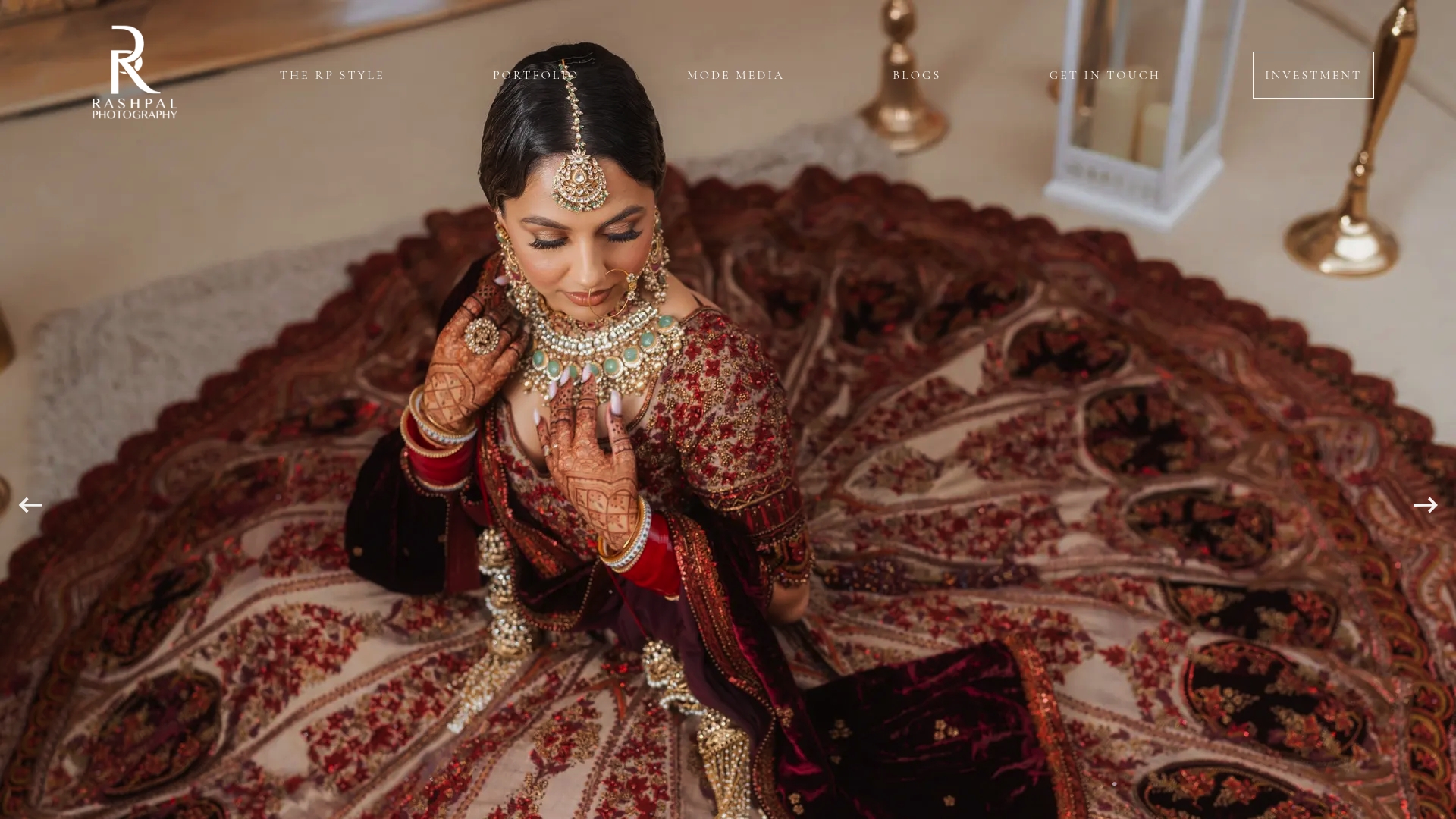
At Rashpal Photography, we specialise in telling the stories of Asian weddings with sensitivity, creativity, and technical excellence. Explore our wedding photography packages to find the right fit for your celebration, or discover the detail and coverage included in our 12-hour photography package. For a full overview of investment options, visit our wedding photography pricing page. We encourage you to enquire early, as our calendar fills quickly.
Frequently asked questions
How early should I book a photographer for an Asian wedding?
It is best to book 6 to 12 months in advance, particularly for multi-day events, to secure an experienced photographer who understands your cultural traditions.
What are some unique rituals to include in an Asian wedding ceremony?
Distinctive rituals worth including are the Mehndi ceremony, Joota Chupai, the Japanese San-san-kudo, and the Korean Pyebaek, each carrying deep symbolic meaning and extraordinary visual appeal.
Do wedding coordinators help manage traditional Asian ceremonies?
Yes, a specialist coordinator is invaluable for organising complex, multi-day traditions, managing family roles, and ensuring every cultural element is honoured with the attention it deserves.
What photography moments should not be missed in an Asian wedding?
Prioritise ritual blessings, symbolic exchanges, family celebrations, and the vibrant ceremonial attire that makes each Asian wedding a visually rich and emotionally resonant occasion.
Recommended
- Newly engaged? Here’s how to start your Asian wedding planning! Rashpal Photography | Wedding Photographer Uxbridge, UK
- 6 Ways To Arrive At Your Asian Wedding In Style! Rashpal Photography | Wedding Photographer Uxbridge, UK
- Best Locations For An Asian Wedding In London Rashpal Photography | Wedding Photographer Uxbridge, UK
- The Top 5 Asian Wedding Venues In London Rashpal Photography | Wedding Photographer Uxbridge, UK
- 7 Inspiring Cultural Wedding Photography Ideas for Couples | Cinevisualstudios Blog