TL;DR:
- Asian weddings are complex, multi-day events that require multiple photographers to capture their richness fully. A second shooter provides essential parallel coverage of simultaneous moments, offering diverse angles, candid shots, and detailed documentation. Their role enhances storytelling, safeguards against missed memories, and ensures a cohesive, detailed wedding album.
There is a persistent misconception that a single photographer, however talented, can fully capture the richness of an Asian wedding. In reality, these celebrations are among the most layered, fast-paced, and ritually intricate events in the wedding world. From the Mehndi and Milni to the Vidaai and evening reception, each moment carries immense emotional weight. As Asian weddings in the UK are large, multi-day, fast-paced with many rituals where a second shooter or team is highly beneficial, understanding this role is one of the most valuable decisions you can make while planning your celebration.
Table of Contents
- Why Asian weddings demand more than one photographer
- What exactly does a second shooter do?
- Key benefits for your wedding story
- Do you need a second shooter? Decision factors
- A photographer's lens: What most couples overlook about second shooters
- Seamless wedding coverage options with Rashpal Photography
- Frequently asked questions
Key Takeaways
| Point | Details |
|---|---|
| Comprehensive coverage | A second shooter ensures both main events and candid moments are fully captured throughout your large, fast-paced wedding. |
| Simultaneous storytelling | Moments happening in different places or times can be documented side-by-side for a richer album. |
| Peace of mind | No important ritual, family reaction, or décor detail is missed, reducing regret after the event. |
| Not always a must | Smaller occasions can be covered solo, but most Asian weddings truly benefit from two photographers. |
Why Asian weddings demand more than one photographer
Asian weddings are not simply a ceremony and a reception. They are living, breathing celebrations that unfold across multiple days, locations, and simultaneously occurring traditions. A Sikh wedding, for instance, might begin with a Jaggo ceremony one evening, followed by a full Anand Karaj the next morning and a lavish evening reception at a different venue entirely. A Hindu celebration may span the Haldi, Mehndi, Baraat, and Pheras across two or three days, each rite filled with distinct emotional moments that deserve thorough documentation.
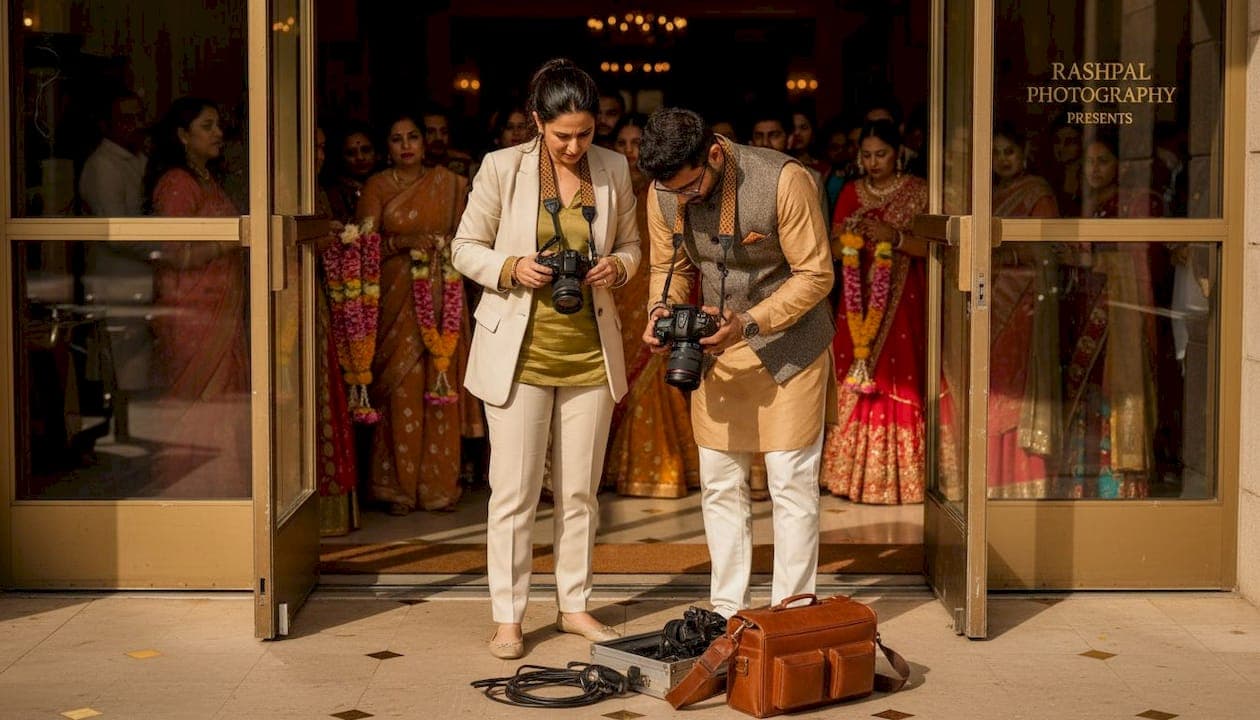
The sheer scale of capturing the beauty of an Asian wedding becomes apparent when you consider how often two significant events unfold at precisely the same time. The groom arrives at the venue while the bride is receiving her final touches in the bridal suite. Family members share tearful embraces on one side of the hall while the groomsmen celebrate jubilantly on the other. One camera simply cannot be in two places at once.
"Asian weddings in the UK are often large, multi-day, fast-paced with many rituals. A second shooter or team is highly beneficial for coverage." — Gurvir Johal, Fine Art Wedding Photographer
The complexity of traditional Asian scenes and settings means that a skilled lead photographer alone will inevitably face impossible choices about where to stand, which moment to prioritise, and which angle to sacrifice. Key situations where a single photographer is stretched too thin include:
- Parallel preparations: Bridal and groom preparations often happen simultaneously in separate rooms or buildings
- Procession and arrival: The Baraat arrival needs to be documented from both the groom's perspective and the welcoming family's reaction
- Multiple ritual locations: Ceremonies shift between mandaps, stages, and outdoor settings with little warning
- Candid guest interactions: Emotional reactions from grandparents, siblings, and friends often happen in the background while the lead is focused on the principal subjects
- Décor and detail shots: Intricate floral arrangements, henna patterns, and ceremonial objects deserve dedicated attention before guests fill the spaces
Each of these moments contributes to the complete visual story of your wedding day. Miss any one of them and you have a gap in an album that is meant to endure for generations.
What exactly does a second shooter do?
Now that we see why more than one lens is essential, let's uncover what a second shooter truly does. The title itself can be misleading. A second shooter is not simply an assistant carrying equipment or a trainee observing the lead. They are a fully skilled photographer with their own creative vision, their own professional kit, and a clearly defined set of responsibilities that complement the lead photographer's work throughout the day.
The role operates across three distinct phases:
- Pre-event preparation: A professional second shooter attends planning meetings, participates in venue walk-throughs, and reviews the timeline so they understand the schedule and the cultural significance of each ceremony. They use their own gear and are prepared to operate independently from the moment they arrive.
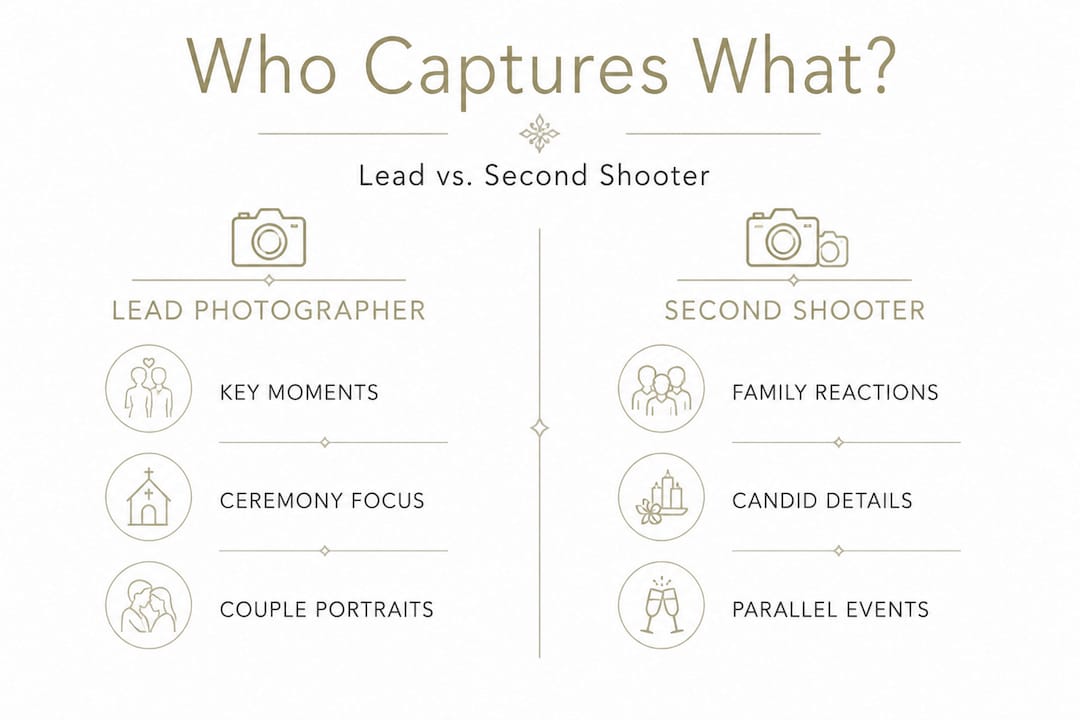
- On the day coverage: During the event itself, the second shooter works in quiet coordination with the lead, avoiding direct communication that might disrupt ceremonies. While the lead captures the primary subject, the second shooter seeks out alternative angles, environmental details, and the unscripted human moments unfolding in the periphery.
- Post-event image delivery: All images from the second shooter are submitted to the lead photographer, who curates and edits the combined collection into a cohesive, polished gallery. The couple receives one unified album, enriched by two distinct perspectives.
| Responsibility | Lead photographer | Second shooter |
|---|---|---|
| Primary subject focus | Yes | Supporting |
| Client relationship management | Yes | Minimal |
| Parallel event coverage | Limited | Primary |
| Candid and ambient shots | Occasional | Frequent |
| Final editing and delivery | Yes | Images submitted to lead |
| Equipment | Own kit | Own independent kit |
| Pre-wedding consultation | Leads | Attends and prepares |
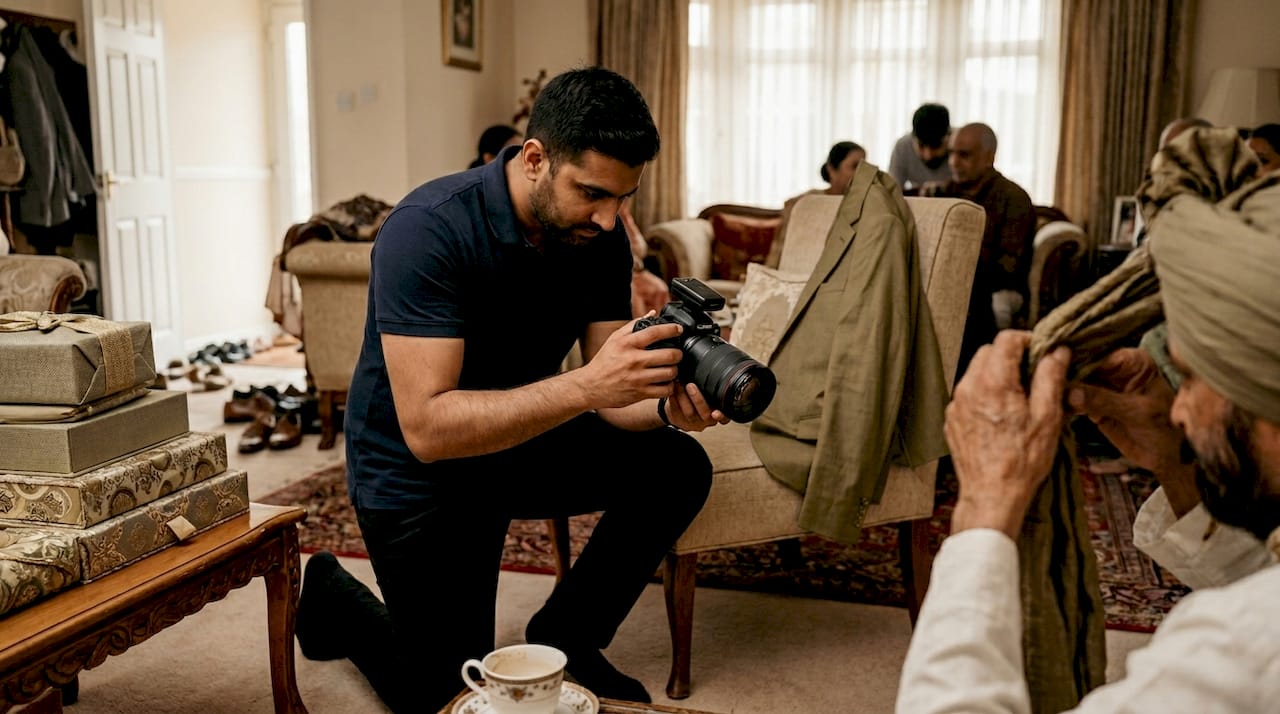
A real-world example clarifies this beautifully. Consider the groom preparations before a Hindu ceremony. While the lead photographer is with the bride documenting her intricate Mehndi and bridal draping, the second shooter captures the groom being adorned with his sehra, sharing laughter with his brothers, and receiving blessings from elders. These are irreplaceable images that would otherwise simply not exist.
Pro Tip: When interviewing photography teams, ask to see a full gallery that includes both lead and second shooter images from a comparable Asian wedding, such as a Hindu wedding at a major venue. This reveals how well the two visual styles integrate and whether the final album feels cohesive rather than fragmented.
Key benefits for your wedding story
Having understood the role itself, here is how a second shooter tangibly enhances your wedding memories. The advantages extend well beyond simply having more photographs. They shape the quality, completeness, and emotional depth of your entire wedding narrative.
The most significant benefit is simultaneous documentation. Both the bride's and groom's sides of the family experience the wedding through different emotional lenses, and a second shooter ensures neither perspective is marginalised. Your mother's expression as you descend the staircase in your bridal lengha, your father-in-law quietly composing himself before the ceremony — these moments are only possible when two photographers are positioned thoughtfully across the space.
Consider also the behind the scenes in Asian wedding photography perspective: the hidden details that make a wedding uniquely yours. A second shooter has the freedom to move through the venue and capture the floral garlands, the blessed fire of the Havan, the embroidered edge of a grandmother's sari, and the children's wide-eyed wonder at the dancing. These atmospheric images bring extraordinary texture to an album.
Key benefits at a glance:
- Wider angle coverage: Rituals filmed from two vantage points create dynamic, cinematic sequences in your final gallery
- Reduced risk of missed moments: With comprehensive coverage for large events, the likelihood of a critical moment going unrecorded drops dramatically
- Authentic candid imagery: Guests interact more naturally when a second photographer is present, as attention is divided and people forget the camera is there
- Backup and redundancy: Should any technical issue arise with the lead photographer's equipment, the second shooter provides essential continuity
- Richer storytelling: Your wedding album becomes a fully realised narrative rather than a sequence of posed portraits
| Wedding element | Solo photographer risk | With second shooter |
|---|---|---|
| Simultaneous ceremonies | High risk of missing one | Both covered |
| Groom and bridal prep | One must be skipped | Both documented fully |
| Guest reactions during rituals | Often missed | Captured as they happen |
| Venue and décor details | Rushed or overlooked | Dedicated attention |
| Spontaneous family moments | Unpredictable coverage | Greater chance of capture |
Pro Tip: Review your wedding itinerary with your photography team at least six weeks before the day. For events like a real Sikh wedding, where the Anand Karaj itself runs for a set duration followed immediately by the family portraits and lunch, having clear coverage responsibilities mapped in advance ensures every phase receives proper attention.
Do you need a second shooter? Decision factors
To make the best choice, let us weigh up when a second shooter is essential versus optional. Not every couple requires a two-photographer team, and the decision should be driven by the actual complexity of your celebration rather than assumption or social pressure alone.
Begin your assessment by working through these key questions:
- How many ceremonies are planned across your wedding events? A single civil ceremony followed by an evening reception is fundamentally different from a three-day multi-faith celebration.
- Are any events happening simultaneously? If your bridal preparations, Milni, and guest arrival all overlap in timing, a second shooter is not a luxury but a practical necessity.
- How many guests are attending? Larger guest counts mean more emotional moments, more family dynamics, and more opportunities for candid interaction, all of which benefit from additional coverage.
- Are you using multiple venues? Travelling between a Gurdwara, a banquet hall, and a family home on the same day creates logistical complexity that rewards having two photographers working independently.
- What is your primary photography priority? If comprehensive storytelling matters more to you than budget savings, a second shooter almost always represents exceptional value.
"Some specialists work solo on smaller events, but large Asian weddings benefit significantly from a second shooter." — Gurvir Johal
If your celebration is more intimate, perhaps a British-Asian registry event followed by a smaller family dinner, then a highly skilled solo photographer who specialises in Asian weddings may cover everything you need with elegance and precision. The key is honest communication with your chosen photographer about your schedule before you finalise your package.
When starting your Asian wedding planning, photography is often one of the first investments you should consider rather than one of the last. Understanding how the right photography can shape your entire experience helps frame the second shooter decision clearly: it is about legacy, not simply logistics.
A photographer's lens: What most couples overlook about second shooters
Having weighed the decision, here is what the checklists miss and what truly matters in practice. After years of photographing Asian weddings across the UK, I have noticed that couples tend to view a second shooter as insurance — a backup plan for contingencies. The reality is far more interesting than that.
The most extraordinary images in any wedding album are almost never the ones anyone planned. They are the glance shared between a mother and daughter just before the Vidaai. The spontaneous laughter at the edge of the dance floor when the DJ plays an unexpected song. The quiet moment when an elderly grandfather places his hand on the groom's shoulder before the ceremony begins. These images only exist because someone was watching from a different angle, free from the primary responsibility of directing the main subjects.
This is where a skilled second shooter becomes a genuine creative partner. They are not simply filling gaps in coverage; they are developing a parallel visual thread that, when woven together with the lead photographer's work, creates something genuinely cinematic and deeply personal.
However, I want to be candid about something many couples do not consider when booking: not all second shooters are equal, and style compatibility is every bit as important as technical skill. A second shooter whose approach leans heavily towards posed, studio-style portraiture will produce images that feel misaligned alongside a lead photographer working in a fluid, photojournalistic style. The final album should feel seamless, as though one exceptionally perceptive eye moved through your entire day. That only happens when lead and second shooter share a visual philosophy and have worked together before.
When viewing portfolio galleries, look specifically for moments of capturing Asian wedding beauty that feel unguarded and alive. Those are the images made possible by two photographers who trust each other completely and understand how to move through a space without competing for the same frame. The value of a second shooter is not measured in the quantity of images delivered. It is measured in the depth and completeness of your wedding story.
Seamless wedding coverage options with Rashpal Photography
If your wedding day deserves to be documented with the richness and artistry it truly warrants, the conversation about second shooter coverage begins with finding a team that already understands the cultural and logistical demands of Asian celebrations.
At Rashpal Photography, we specialise exclusively in Asian wedding coverage and work with trusted second shooters whose visual style integrates seamlessly with our lead photography approach. Whether you are planning an intimate British-Asian celebration or a grand multi-day event across several venues, our Asian wedding photography options are designed to reflect the full scale and beauty of your day. For couples seeking extensive coverage that leaves nothing undocumented, our Classic Investment package offers fourteen hours of coverage with team options tailored to your specific event. We warmly invite you to get in touch and discuss your wedding vision with us directly.
Frequently asked questions
Is a second shooter necessary for every Asian wedding?
Not always; small or simple events may be covered beautifully by a solo specialist, but large multi-event Asian weddings benefit greatly from having a second shooter to ensure no significant moment is missed.
Will the second shooter capture important rituals and candid moments?
Yes, a second shooter specifically focuses on parallel events, unscripted reactions, and family moments that the main photographer physically cannot access while attending to the principal subjects.
Does hiring a second shooter affect the cost much?
Adding a second shooter typically increases your photography investment, but the additional cost is offset by significantly more complete coverage, greater peace of mind, and a richer, more layered wedding album.
Do we meet both photographers before the event?
Most professional teams will introduce you to both lead and second shooters during pre-wedding planning meetings, ensuring everyone is aligned on the timeline, cultural protocols, and your personal preferences before the day itself.
How do we ensure both shooters match our desired style?
Review combined portfolio galleries from previous Asian weddings, discuss your aesthetic preferences during your initial consultation, and confirm that your lead photographer works consistently with trusted second shooters who share a complementary visual approach.
Recommended
- What is the role of an Asian wedding coordinator? Rashpal Photography | Wedding Photographer Uxbridge, UK
- Capturing the beauty of an Asian wedding Rashpal Photography | Wedding Photographer Uxbridge, UK
- Traditional Asian Photography Scenes/Settings Rashpal Photography | Wedding Photographer Uxbridge, UK
- How The Right Photography Can Make Or Break An Asian Wedding Rashpal Photography | Wedding Photographer Uxbridge, UK
- Engagement vs. wedding shoots: what couples need to know