TL;DR:
- Emotion is the key to meaningful wedding images, capturing feelings that resonate long after the day ends.
- Skilled photographers observe and anticipate authentic moments, using artistic techniques like motion blur and composition to amplify emotion.
Most couples spend months debating venues, floristry, and attire, yet the photographs they will cherish for decades have nothing to do with any of those choices individually. The role of emotion in wedding imagery is what separates a beautiful photograph from a meaningful one. A technically flawless image of an empty ballroom and a slightly blurred frame capturing a father's tearful smile occupy entirely different positions in a couple's heart. This guide explores how emotion shapes every compelling wedding photograph, why it matters more than perfection, and how you can work with your photographer to bring it fully to life.
Table of Contents
- Key takeaways
- Why emotion is the heart of wedding imagery
- Artistic techniques that amplify feeling
- Common emotions and how photographers capture them
- Emotional storytelling through sequencing and narrative
- Practical tips for maximising emotional impact
- My perspective on emotion and the photographer's craft
- Capture your wedding story with Rashpal-photography
- FAQ
Key takeaways
| Point | Details |
|---|---|
| Emotion drives meaning | Wedding images resonate long-term because of the feelings they hold, not their technical polish. |
| Candid moments carry weight | Small gestures and expressions often produce the most emotionally charged wedding photography. |
| Artistic techniques amplify feeling | Motion blur, black-and-white edits, and considered composition deepen the emotional atmosphere of an image. |
| Environment shapes emotion | Venue design and floristry act as emotional language, directly influencing the mood captured in photographs. |
| Couple and photographer collaboration | Sharing emotional priorities with your photographer before the day unlocks far richer storytelling. |
Why emotion is the heart of wedding imagery
There is a persistent assumption that great wedding photography is primarily a technical achievement. Sharp focus, perfect exposure, flattering light. These qualities matter, of course. But they are the floor, not the ceiling. The true significance of emotion in wedding photography lies in how it transforms a visual record into something that carries the weight of lived experience.
Documentary wedding photography prioritises candid observation over staged imagery, creating a density of meaning that connects viewers to the subjects' humanity. This approach, rooted in photojournalism, allows authentic storytelling through the smallest gestures. A glance exchanged between a couple during their vows. A grandmother pressing her hands together in quiet prayer. These are not posed. They cannot be recreated. They are real.
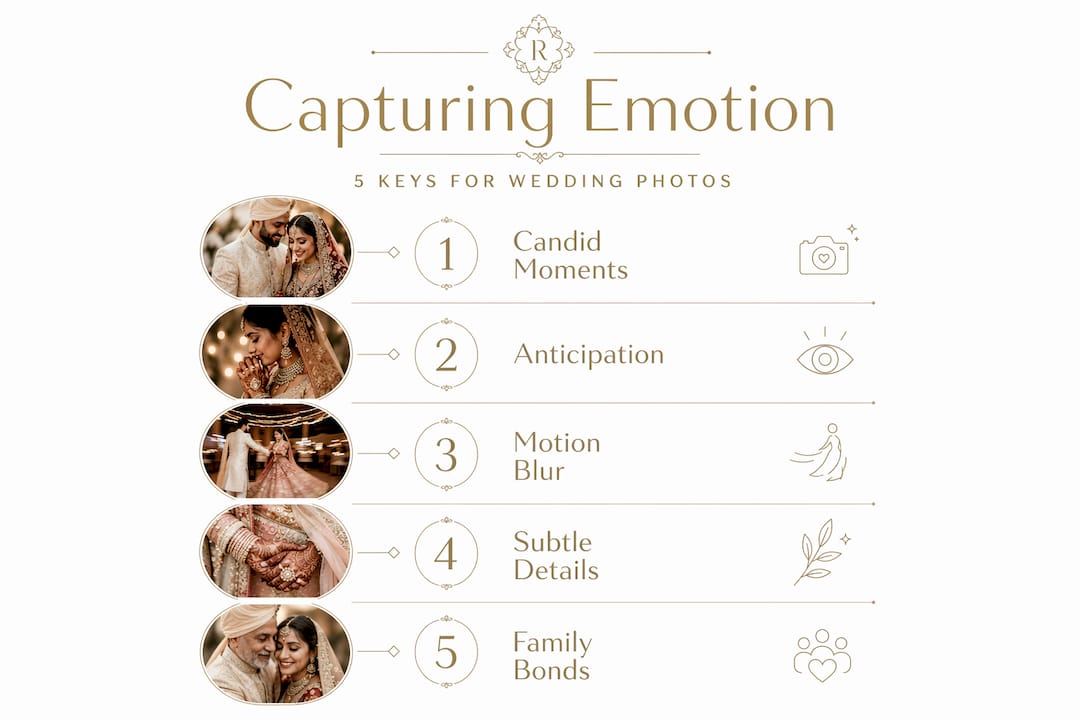
What emotion does, specifically, is preserve the feel of a day rather than merely its appearance. When you look back at your photographs years from now, you will not notice whether the lighting was precisely calibrated. You will feel the joy, the nervousness, the intimacy. Wedding imagery and feelings are inseparable in this sense because the emotional content is what gives each image its lasting resonance.
Key emotional elements that shape powerful wedding imagery include:
- Non-verbal expression: Gestures, posture, and micro-expressions that communicate feeling without words
- Group dynamics: The way families gather, the protective arm of a parent, the laughter shared between close friends
- Atmospheric details: The quality of light in a room, the hush before a ceremony begins, the charged air of a first dance
- Unguarded transitions: Moments between the planned events, when couples and guests let their guard down entirely
Artistic techniques that amplify feeling
Understanding why emotion matters in photography is one thing. Knowing how skilled photographers translate it into images requires a closer look at technique.
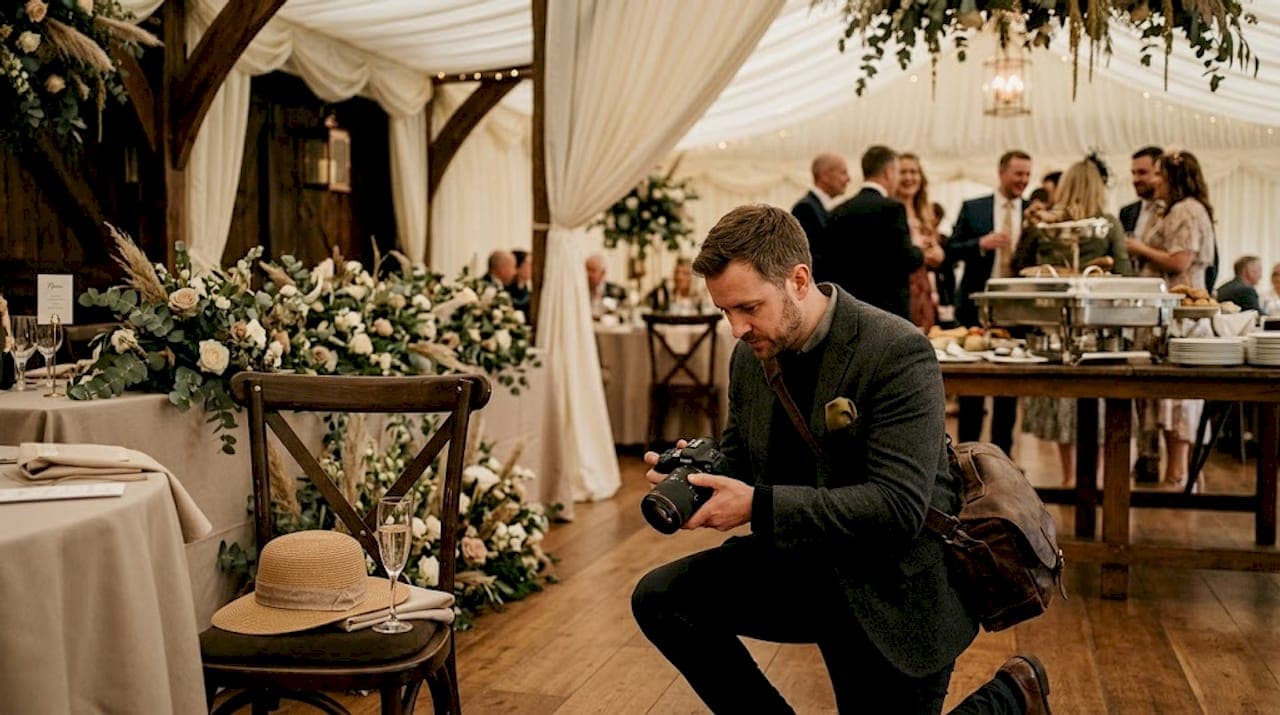
Timing and anticipation are the photographer's most powerful tools. Capturing emotion in wedding moments depends on a photographer's ability to read the room, position themselves ahead of an emotional peak, and wait. This is not passive. It demands a deeply observant presence and the restraint not to interrupt what is unfolding naturally.
Intentionally blurry wedding portraits using motion blur and long exposure add energy and emotion to images more effectively than traditional sharp photographs. On a packed dance floor, or in the swirling motion of a ceremony exit, blur does not represent technical failure. It represents life in motion. Energy. Euphoria. These are cinematic frames that still feel alive years later.
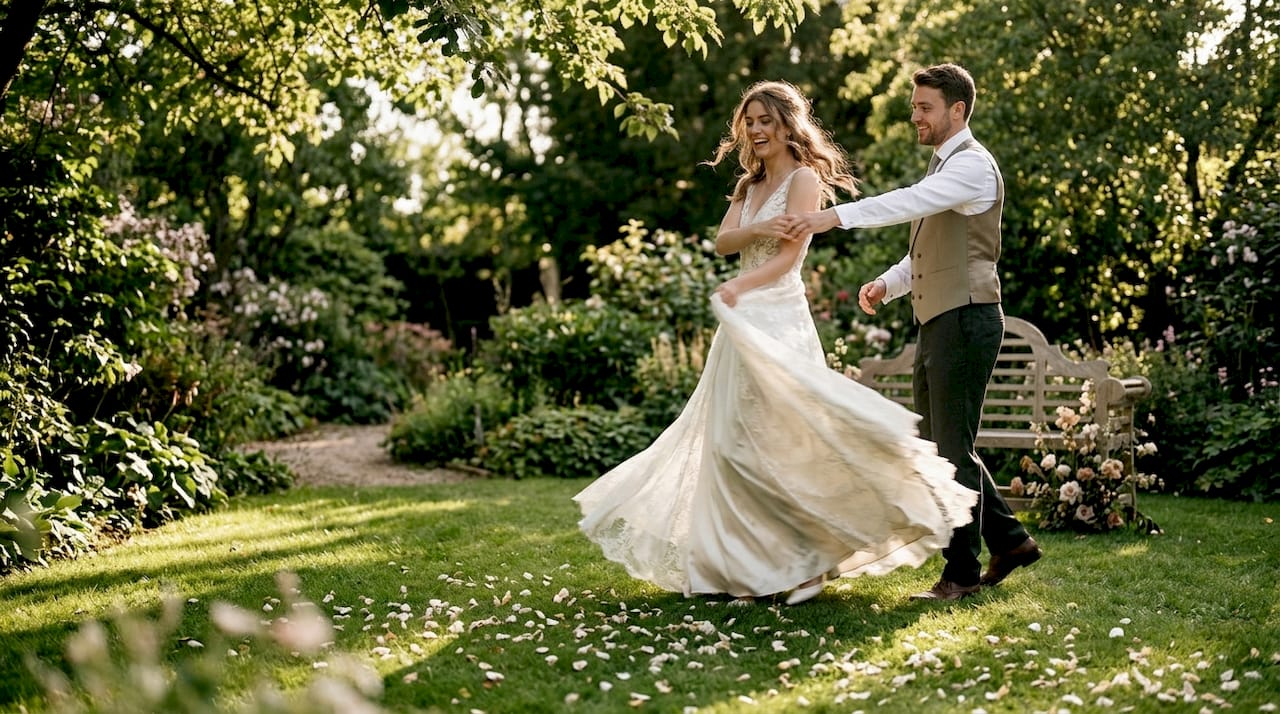
Black-and-white images combined with motion blur focus attention on raw emotion and mood without the distraction of colour. Stripping an image to light and shadow places all emphasis on expression, form, and feeling. The result is timeless in a way that trend-led colour grading simply cannot achieve.
Composition also communicates emotion with remarkable precision. A tight frame isolates intimacy. A wide shot places a couple within a grand, atmospheric setting, evoking the scale of the occasion. Selective focus draws the eye to a face brimming with feeling while the world around it softens. These are deliberate choices, not accidents.
- Double exposure and layered techniques: Advanced artistic approaches that overlay images, suggesting memory, longing, or the blending of two lives
- Environmental framing: Using doorways, archways, or natural elements to frame a couple and evoke a sense of protected intimacy
- Selective colour editing: Retaining one warm colour in an otherwise monochrome image to direct emotional emphasis
Pro Tip: Ask your photographer whether they offer both candid documentary coverage and any artistic post-production approaches. Seeing examples of their emotionally charged wedding photography before the day will help you trust them completely when the real moments arrive.
The role of floristry and venue design in shaping emotional imagery deserves particular mention. The wedding design industry has shifted toward emotion-driven design, where floral arrangements are crafted to evoke specific feelings. Colour, texture, and spatial arrangement guide guests emotionally through the event, and those same elements become part of the photographic story.
Common emotions and how photographers capture them
Every wedding holds a spectrum of feelings that shift and deepen throughout the day. The importance of emotion in wedding photography becomes clearest when you appreciate just how many distinct emotional states a single day contains.
Couples and guests show a wide spectrum of emotions during weddings, from joy and nervousness through to intimacy and even quiet moments of reflection. Skilled photographers do not wait for only the obvious highlights. They pursue the full emotional range.
| Emotion | When it typically appears | Photographic approach |
|---|---|---|
| Anticipation | Pre-ceremony preparations | Tight portraits, detail shots, quiet contemplation frames |
| Joy | Ceremony highlights, first dance | Wide smiles, motion, group reactions |
| Intimacy | First look, quiet couple moments | Close framing, soft focus, natural light |
| Nervousness | Walking to the ceremony, vow moments | Hands, posture, subtle facial expressions |
| Celebration | Reception dancing, toasts | Motion blur, high energy wide shots, candid laughter |
| Reflection | Quiet pauses, end of evening | Silhouettes, window light, solitary figures |
The role of feelings in wedding images is also evident in group dynamics. A photographer who watches how families interact will find extraordinary emotional layers. The way a mother adjusts her daughter's veil. The look between siblings who share an inside moment. These glimpses, as documentary photography demonstrates, provide the density of meaning that elevates a gallery from a collection of portraits into a true narrative of a day.
Emotionally impactful photographs often emerge from small gestures and glimpses rather than grand poses. A breath held before walking down the aisle. A soft exhale after the vows. These quiet physiological responses, invisible to most people in the room, are precisely what a deeply observant photographer is positioned to see and preserve.
Emotional storytelling through sequencing and narrative
A single image can be extraordinary. A sequence of emotionally connected images is something else entirely. How emotion influences wedding visuals at a narrative level is one of the less-discussed but most profound aspects of wedding photography.
Photographers use sequencing of emotional moments to build a visual narrative that tells the story of the wedding day authentically and memorably. This means understanding the emotional rhythm of a day. The quiet tension of the morning preparations giving way to the ceremony's intensity, then the release of celebration, then the tender close of an evening. A gallery that follows this arc does not just document events. It recreates the experience of living through them.
"Contemporary wedding imagery blurs the lines between documentary realism and fine-art mood, aiming to capture emotional truth and atmosphere over technical perfection."
This shift is driven by couples who increasingly desire imagery that is deeply personal and reflects their unique emotional story, rather than conforming to staged or trend-led looks. Emotional storytelling in wedding photography is not a stylistic choice so much as a philosophy. It reflects a belief that the day belongs to the people living it, and that the camera's role is to bear witness with sensitivity and skill.
The photographer's position as an empathetic witness rather than a director allows genuine moments to surface. Successful emotional photography requires the photographer to be quiet, observant, and able to anticipate moments without interfering. This is a form of respect as much as a technical approach. When couples feel unobserved, they behave naturally. When they behave naturally, extraordinary images follow.
Practical tips for maximising emotional impact
Knowing what you want from your wedding photography and being able to communicate it clearly makes an enormous difference to the emotional richness of the final gallery.
- Share your emotional priorities early. Tell your photographer which moments carry the greatest personal weight. A father who rarely cries. A grandmother attending her last family wedding. The first time your partner sees you. These details allow a photographer to position and prepare accordingly.
- Provide reference imagery. Showing examples of emotionally charged wedding photography you admire gives your photographer a direct window into your sensibility and expectations.
- Create space for calm. Rushed timelines produce stiff, anxious images. Building buffer time into your day, particularly around the ceremony and couple portraits, allows genuine emotion to settle and surface.
- Trust the instinct of your photographer. The photographer's role as an empathetic witness depends on freedom to move and observe. Resist the urge to orchestrate every moment.
- Consider the emotional design of your venue. Floristry and venue atmosphere shape how guests and couples feel throughout the day. A carefully designed environment produces richer emotional states, which in turn produce richer photography.
Pro Tip: During your pre-wedding consultation, ask your photographer how they approach moments of quiet or transition. Their answer will tell you everything about their sensitivity to emotional storytelling in wedding photography.
My perspective on emotion and the photographer's craft
I have photographed hundreds of weddings, and the images I return to most are rarely the ones I planned most carefully. They are the ones where I disappeared into the room and simply watched. A bride laughing through tears while her sister fixed her earring. A groom standing alone for thirty seconds, looking at his hands, gathering himself before walking out. These moments were not on any schedule. They appeared because I was present and patient enough to receive them.
There is a tendency in wedding photography to treat technical excellence and emotional authenticity as equally weighted goals. In my experience, that is a false balance. I have seen technically impeccable images that feel hollow, and slightly imperfect frames that stop you breathing. The significance of emotion in wedding portraits is not something you can manufacture in post-production. It either exists in the moment of capture or it does not.
Where I differ from some photographers is in my belief that the pre-wedding relationship matters as much as skill on the day. When couples share their story, their family dynamics, and their emotional sensitivities with me beforehand, I arrive prepared. I know which corner of the room to watch during the father's speech. I know which friendship group to linger near during the reception. That knowledge is emotional intelligence applied to photography, and it produces results that technique alone never can.
The couples who get the most from their photography are those who trust that their photographer has seen this before, and know that the best images come not from directing the day but from releasing it. Explore the weddings portfolio and you will see that the most memorable frames are always the ones nobody posed for.
— Rashpal
Capture your wedding story with Rashpal-photography
At Rashpal-photography, emotional storytelling sits at the absolute centre of every package offered. Based in Uxbridge and working across London and internationally, the approach blends photojournalistic candidness with refined artistic portraiture to produce galleries that feel as alive in twenty years as they do today.
Whether you are planning an intimate ceremony or a multi-day cultural celebration, there is a package designed to honour the full emotional arc of your day. The Classic Investment package offers fourteen hours of coverage alongside an engagement shoot, providing both the time and the pre-wedding connection that allows genuine emotion to be captured beautifully. For couples seeking focused, meaningful coverage, the Essentials Investment delivers twelve hours of artful storytelling. Explore all photography packages to find the right fit for your wedding vision.
FAQ
What is the role of emotion in wedding imagery?
Emotion is what transforms a wedding photograph from a visual record into a meaningful keepsake. Images that capture genuine feeling create a lasting connection between the viewer and the moment depicted, increasing their significance over time.
Why are candid wedding photographs often more powerful than posed ones?
Candid images capture authentic, unguarded moments that posed photographs cannot replicate. Small gestures and genuine expressions provide a depth of meaning that resonates far more deeply with couples and their families.
How do photographers capture emotion without being intrusive?
Skilled wedding photographers operate as quiet, observant witnesses rather than directors, anticipating emotional peaks and positioning themselves to capture moments as they unfold naturally, without interrupting the experience.
Can artistic techniques like motion blur genuinely convey emotion?
Yes. Motion blur and long exposure techniques capture energy, movement, and atmosphere in ways that sharp, static images cannot, producing cinematic frames that feel emotionally alive rather than merely decorative.
How should couples prepare to maximise emotional storytelling in their photographs?
Share your personal emotional priorities with your photographer before the day, allow generous time in the schedule for natural moments to emerge, and trust your photographer's instincts to observe and capture the day authentically.
Recommended
- Essentials Investment (12 hours) Rashpal Bhachu | Rp photography Wedding Photographer, Uxbridge, UK
- Classic Investment (14 Hours, 1 day, Engagement Shoot) Rashpal Bhachu | Rp photography Wedding Photographer, Uxbridge, UK
- The Minimalist Investment (8 Hours) Rashpal Bhachu | Rp photography Wedding Photographer, Uxbridge, UK
- Silver Engagement Shoot Rashpal Bhachu | Engagement shoots Wedding Photographer, Uxbridge, UK