TL;DR:
- Asian weddings in the UK are multi-day celebrations rich with cultural rituals that require thoughtful photography plans. Clear communication, an organized timeline, and choosing a photographer experienced in cultural traditions are essential for capturing authentic moments. Trusting the process and focusing on genuine connection will result in timeless, heartfelt images that tell your unique love story.
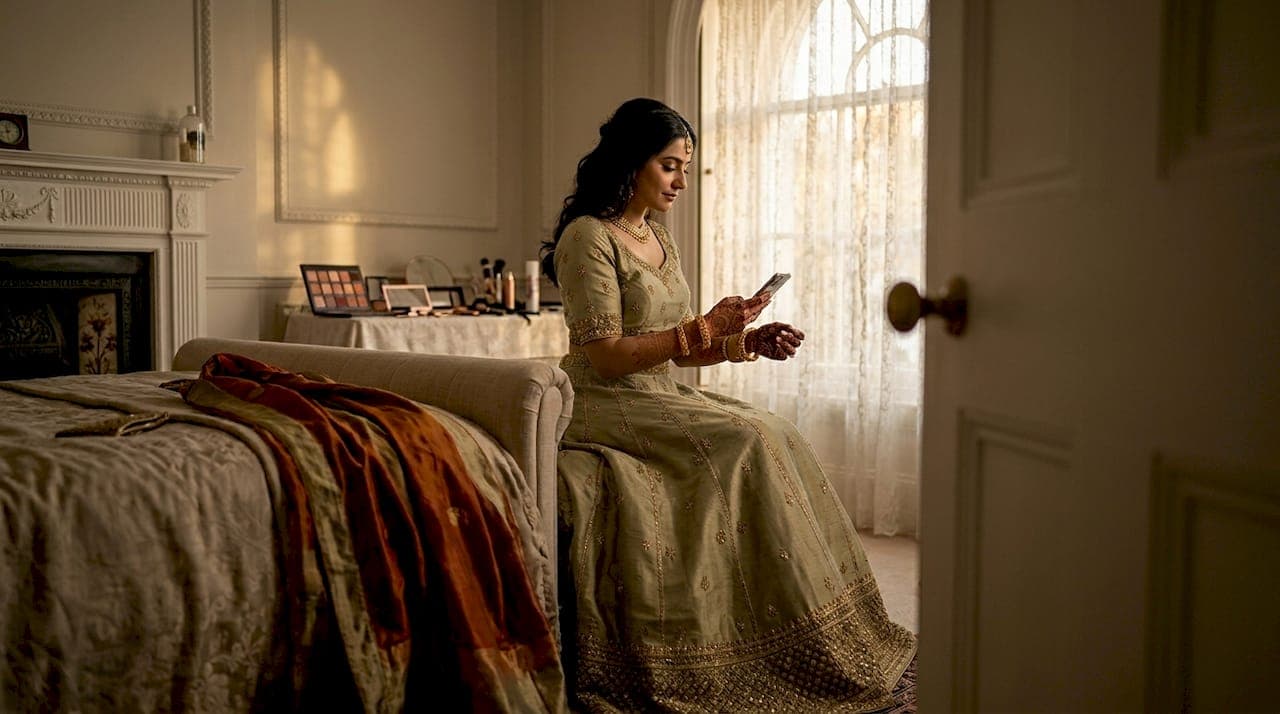
Picture this: the morning of your wedding, golden light filtering through the curtains, intricate mehndi still vivid on your hands, and the gentle hum of family filling every room. It is a scene of breathtaking beauty and, often, of beautiful chaos. For Asian couples in the UK, a wedding is not simply a ceremony; it is a layered, luminous celebration of culture, heritage, and love across multiple days, rituals, and family traditions. With so many precious moments unfolding simultaneously, the prospect of capturing them all can feel overwhelming. This guide walks you through every stage of the photography planning process so that your wedding day memories are preserved with artistry, authenticity, and absolute calm.
Table of Contents
- Understanding your photography needs for a cultural celebration
- Preparing your wedding day photography timeline
- Choosing your photographer: What to look for and questions to ask
- On the day: How to enjoy a stress-free photography experience
- After the wedding: Reviewing and preserving your memories
- Why perfect wedding photos should not come at the cost of joy
- Stress-free wedding photography packages for your celebration
- Frequently asked questions
Key Takeaways
| Point | Details |
|---|---|
| Define key moments | List your must-capture cultural and family moments with input from elders. |
| Plan your timeline | Schedule rituals and photos with buffer time to avoid rushing. |
| Choose cultural expertise | Work with photographers familiar with Asian wedding traditions for best results. |
| Stay relaxed on the day | Trust your plan and photographer, and focus on enjoying each moment. |
| Preserve your memories | Review and back up photos soon after the wedding and involve your family in album creation. |
Understanding your photography needs for a cultural celebration
Once you have recognised the importance of memorable wedding photographs, begin by identifying exactly what you need to capture. This clarity is the foundation of a stress-free experience, and it starts long before your wedding morning.

Asian weddings are rich with ceremony-specific moments: the sacred exchange of garlands at a Hindu vivah, the heartfelt dua at a Nikah, the playful rituals of a Sikh anand karaj. Each tradition carries its own visual poetry, and your photographer needs to understand these moments instinctively. Before you even begin searching for a professional, sit down as a couple and create a detailed list of the rituals that matter most to you.
Consider these key questions as you plan:
- Which religious ceremonies are central and cannot be missed?
- Are there multi-day events such as the mehndi, sangeet, or baraat that each deserve dedicated coverage?
- Which family members are most important to feature, and are there elders who may not be comfortable being photographed for extended periods?
- What is the balance you want between candid, photojournalistic moments and more guided, formal portraits?
| Photography style | Best suited for | Typical result |
|---|---|---|
| Photojournalistic | Candid rituals, emotional exchanges | Natural, documentary-style imagery |
| Guided portraiture | Family groups, couple portraits | Polished, timeless compositions |
| Blended approach | Full Asian wedding coverage | Authentic and cinematic storytelling |
A blended approach is almost always the finest choice for an Asian wedding, as it honours both the spontaneous beauty of cultural rituals and the regal elegance of formal portraiture. Involving your family elders early in the planning process is also wise; their input often reveals precious moments and people you may not have considered including in your formal shot list.
Pro Tip: If you or members of your family feel anxious around cameras, read our tips for camera-shy couples before your first photographer meeting. Arriving with these strategies already in place transforms the entire energy of your day.
Preparing your wedding day photography timeline
With a clear sense of which moments matter most, the next step is structuring when and how the magic gets captured. A realistic, thoughtful timeline is arguably the single most powerful tool you have for a stress-free wedding photography experience.
Asian weddings frequently span several hours and sometimes several days, with each event demanding its own visual attention. The baraat procession, for instance, moves quickly and generates extraordinary energy; missing even five minutes of it means missing images that cannot be recreated. Similarly, the golden hour, that exquisite window of warm, diffused light approximately forty-five minutes before sunset, offers an unparalleled opportunity for breathtaking couple portraits and should be protected in your schedule.
"The couples who enjoy their wedding day photography most are those who have given their photographer a timeline and then trusted it completely. Planning removes the chaos; trust transforms the experience." — Rashpal Photography
Follow these steps to build a photography timeline that works beautifully:
- List every event in chronological order, from the getting-ready moments to the final celebrations, including travel time between venues.
- Allocate specific durations to each element: typically 60 to 90 minutes for getting ready, 30 to 45 minutes for family group portraits, and a minimum of 20 to 30 minutes for couple portraits.
- Build buffer time around cultural rituals such as the milni or tea ceremony, as these moments often run longer or earlier than planned.
- Identify your golden hour window and protect it fiercely; even fifteen minutes of beautiful natural light can produce the most cinematic portraits of your entire day.
- Share the timeline with your photographer at least four weeks in advance so they can raise any concerns, suggest refinements, and arrive fully prepared.
- Distribute a simplified version to your key family helpers, your officiant, and your venue coordinator to ensure everyone is aligned.
| Event | Recommended duration | Photography priority |
|---|---|---|
| Getting ready (bridal) | 60 to 90 minutes | High |
| Baraat or arrival procession | 30 to 45 minutes | Very high |
| Ceremony rituals | Variable (per tradition) | Critical |
| Family group portraits | 45 to 60 minutes | High |
| Couple portraits (golden hour) | 20 to 30 minutes | Very high |
| Reception and celebrations | 2 to 3 hours | High |
Understanding posing for perfect photos before your portrait sessions means you will feel confident and relaxed rather than stiff and self-conscious, and that ease will radiate through every image.
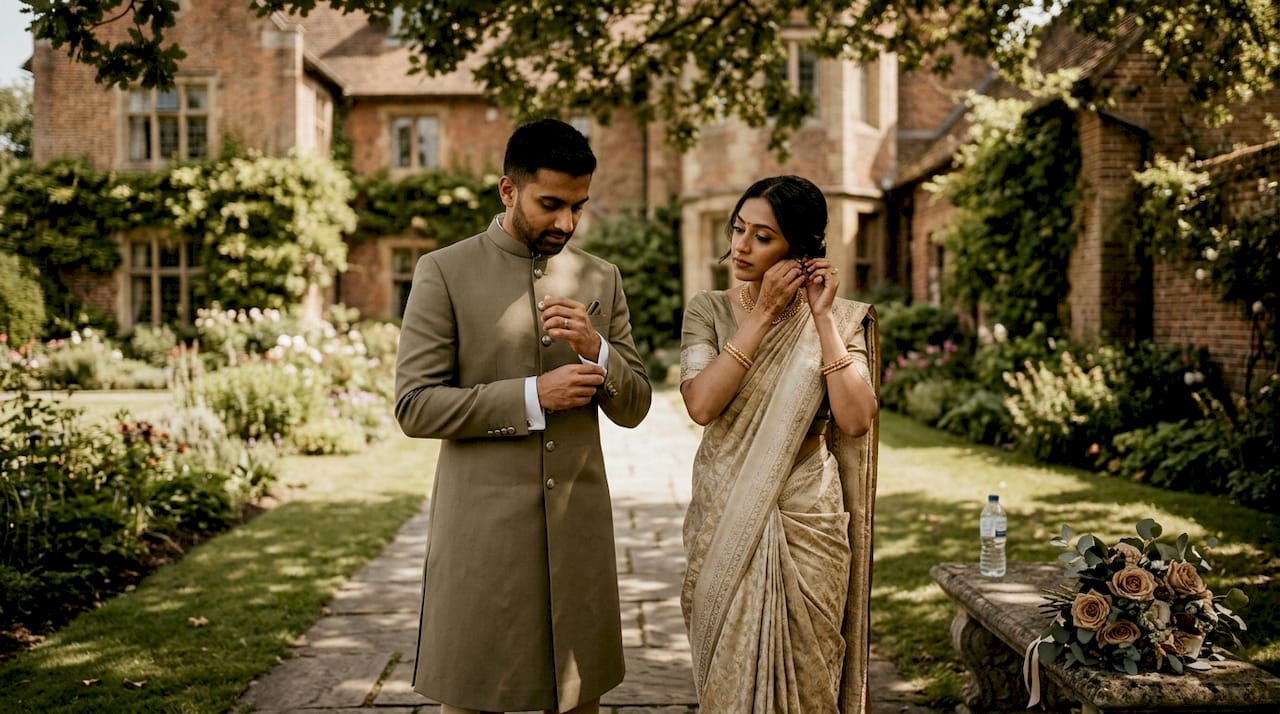
Pro Tip: Ask your photographer to walk the venue with you during your pre-wedding consultation. Identifying the best light sources, backdrops, and quiet corners in advance saves precious time on the day itself.
Choosing your photographer: What to look for and questions to ask
Having a plan means little without the right person behind the camera, so let us discuss how to choose wisely. The relationship between a couple and their photographer is one of the most intimate of the entire wedding process, built on trust, communication, and shared creative vision.
When reviewing a photographer's portfolio, look beyond the beauty of individual images and assess the consistency of their storytelling. Can you feel the emotion in their candid moments? Do their formal portraits feel regal without appearing rigid? Does their work reflect an understanding of the cultural ceremonies you are planning?
Key elements to evaluate in any photographer's portfolio and contract:
- Cultural experience: Has the photographer covered weddings within your specific tradition? Ask to see full galleries, not just highlight images, so you can assess how they handle an entire event.
- Backup plans: What happens if your photographer falls ill? A professional will always have a contingency arrangement in place, whether a trusted associate or a partner studio.
- Shot lists and deliverables: Are shot lists included in the contract? How many edited images will you receive, and within what timeframe?
- Coverage hours: Confirm that the agreed hours genuinely encompass your full day, including getting-ready coverage and the final reception dances.
- Chemistry: This is not a technical consideration, but it is an essential one. You need to feel genuinely at ease with your photographer, because that comfort translates directly into the natural, luminous expressions that make wedding images timeless.
Exploring a photographer's photography portfolio in depth gives you the fullest picture of their artistic sensibility and cultural fluency. Look for photographs that feel alive, where the subjects appear unaware of the camera or, in guided portraits, where they appear genuinely at ease.
Pro Tip: An engagement shoot is far more than a charming pre-wedding experience. It functions as an invaluable trial run, giving you and your photographer the chance to develop a creative rapport, test locations, and discover the poses and angles that flatter you most naturally.
On the day: How to enjoy a stress-free photography experience
Preparation is powerful, but what really matters is how you manage the photography process on the day itself. Even the most meticulously crafted timeline will encounter the unexpected; a ceremony that runs long, a family member who arrives late, a sudden change in weather. The difference between a stressful day and a joyful one lies in how gracefully you meet those moments.
The following practical steps will help you stay calm and fully present throughout your wedding day:
- Assign a photography helper: Nominate one trusted, organised person from your family or bridal party whose sole responsibility is to gather family members for group photographs. This single decision saves an extraordinary amount of time and prevents the frustration of chasing relatives across a busy venue.
- Brief your immediate family: Share the group shot list with close family the evening before so they are aware of when they will be needed and can be ready promptly.
- Trust your photographer's instincts: When your photographer guides you toward a particular location, angle, or moment, follow their lead with confidence. They are trained to see what you cannot in the midst of your own celebration.
- Breathe and reconnect with each other: Between formal moments, take thirty seconds simply to look at each other. These quiet, in-between glances often produce the most breathtaking images of the entire day.
When things go off script, and they sometimes will, resist the urge to manage everything yourself. This is where your photographer's experience becomes most valuable. To feel comfortable in front of the camera even during the unexpected moments, remind yourself that authenticity always photographs more beautifully than perfection.
Additional reminders for a relaxed experience on the day:
- Eat something nourishing before your ceremony begins.
- Keep a small emergency kit with your bridal party for quick touch-ups between sessions.
- Designate a fifteen-minute window mid-afternoon for the couple to simply breathe and reconnect privately.
Pro Tip: Ask your photographer to capture the quiet, in-between moments: a grandmother adjusting your dupatta, siblings sharing a whispered joke, the groom catching his first glimpse of you. These images become the most cherished of all over time.
After the wedding: Reviewing and preserving your memories
Once the excitement calms, it is time to curate and preserve the memories for a lifetime. This stage of the process is often underestimated, yet it shapes how your story will be told to generations to come.
When your digital proofs arrive, approach the selection process with intention rather than urgency. Your photographer will guide you, but these practices will make the experience smoother and more meaningful:
- Set aside dedicated time for reviewing your gallery, ideally over two or three relaxed sittings rather than a single exhausting session.
- Involve your immediate family thoughtfully: Share the gallery access with parents and siblings, but appoint one person as the final decision-maker to avoid conflicting feedback creating unnecessary stress.
- Prioritise your album first: Select your favourite twenty to thirty images for the album layout before choosing additional prints or wall art, as this gives the design a clear narrative focus.
- Back up your images in multiple locations: Store your final edited images on an external hard drive, a cloud service, and a physical USB. Digital files are precious and fragile if stored carelessly.
- Consider heirloom-quality printing: A fine-art printed album is not merely a collection of photographs; it is a physical artefact of your heritage, something to place in the hands of your children and grandchildren with pride.
"The photographs that endure for generations are not always the grandest or most technically perfect. They are the ones that capture the truth of a moment, the feeling in a room, the love between two people who chose each other." — Rashpal Photography
Sharing your images with extended family through a curated online gallery, rather than an unedited social media dump, also allows everyone to experience the beauty of your day with the reverence it deserves.
Why perfect wedding photos should not come at the cost of joy
After seeing the full process, it helps to step back and remember the bigger picture of what truly makes your wedding photographs meaningful. In our years of capturing Asian weddings across the UK, a pattern becomes clear: the couples who are most deeply moved by their final images are rarely those who controlled every detail. They are the ones who were simply, genuinely present.
There is a subtle pressure, particularly in large cultural celebrations where family expectations run high, to orchestrate every frame. The instinct is understandable. You want everything to be beautiful, regal, and worthy of the occasion. But the truth we have witnessed again and again is that the pursuit of photographic perfection can quietly steal the joy from the very moments it is meant to preserve.
A laugh that breaks mid-pose. Tears that arrive unexpectedly during the pheras. A grandfather's hand on a groom's shoulder in the baraat. These are not imperfections; they are the soul of your story. When couples learn to practise posing naturally on your wedding day, the shift that follows is not merely technical. It is emotional. They stop performing for the camera and start living for each other, and that shift produces images of extraordinary beauty.
The most important thing we can offer you, beyond technique and timeline advice, is this: a relaxed, present, joyful couple will always produce more beautiful photographs than a stressed, controlled, and perfectly posed one. Release the pressure. Trust the process. The images will reflect exactly who you are, and that will always be more than enough.
Stress-free wedding photography packages for your celebration
Armed with knowledge and a clear vision for your day, you are ready to make your dream photography experience a reality.
At Rashpal Photography, every package has been thoughtfully crafted to honour the beauty, complexity, and cultural richness of Asian weddings. Our comprehensive wedding coverage ensures that no ritual, no regal portrait, and no quietly tender moment goes unrecorded. From the first touch of golden morning light to the final celebratory dance, we are there.
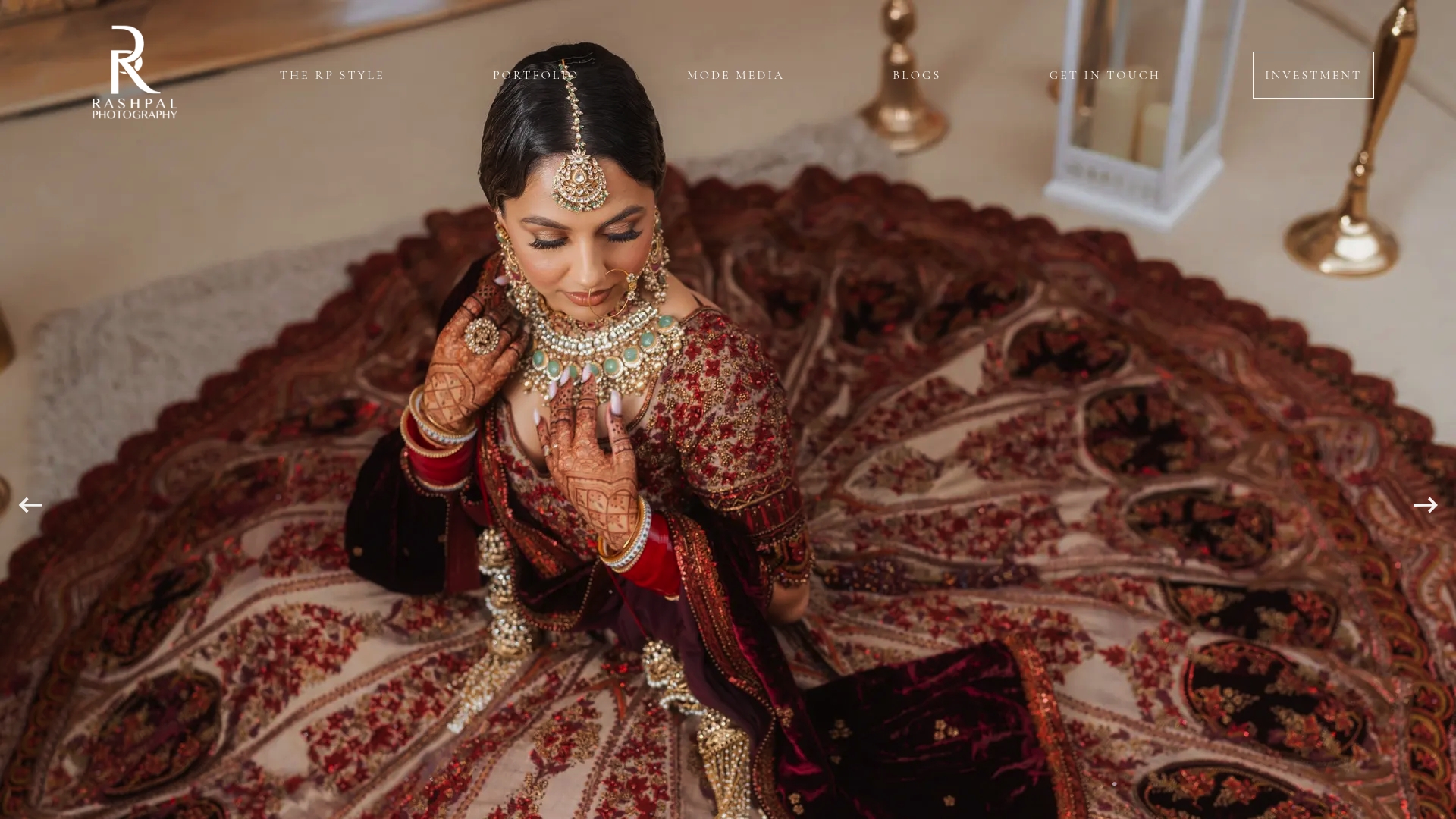
You can explore our full wedding pricing to find the package that aligns perfectly with your traditions and your vision, or visit our wedding photography details page to learn more about the experience we create for every couple we have the privilege of photographing. We would love to hear your story and discuss how we can tell it beautifully.
Frequently asked questions
How early should we book our wedding photographer?
It is best to book your photographer 9 to 12 months in advance, particularly for popular summer dates and specialists in cultural ceremonies, as availability fills quickly.
How can we make camera-shy family members comfortable?
Arranging a brief pre-event introduction between your photographer and camera-shy relatives, along with sharing our dedicated tips for camera-shy couples, makes a noticeable difference on the day.
How do we ensure our cultural rituals are photographed?
Provide your photographer with a detailed shot list and precise ceremony timings well in advance, and walk them through each ritual during your pre-wedding consultation so nothing is missed.
Should we have a second photographer for larger Asian weddings?
A second photographer is highly recommended for large or multi-day celebrations, as they can capture simultaneous moments from multiple angles and ensure no detail of your story goes undocumented.
What can we expect from a typical UK Asian wedding photography package?
Most quality packages include coverage of key religious rituals, formal family and couple portraits, candid photojournalistic moments, and access to an online proofing gallery for a smooth, enjoyable selection process.
Recommended
- Newly engaged? Here’s how to start your Asian wedding planning! Rashpal Photography | Wedding Photographer Uxbridge, UK
- How to Choose an Asian Wedding Photographer in London Rashpal Photography | Wedding Photographer Uxbridge, UK
- 6 Ways To Arrive At Your Asian Wedding In Style! Rashpal Photography | Wedding Photographer Uxbridge, UK
- Capturing the beauty of an Asian wedding Rashpal Photography | Wedding Photographer Uxbridge, UK