TL;DR:
- London wedding photography rules require permits and insurance when shooting in public spaces to ensure legal compliance. Permits and approvals vary based on location, with early application crucial to avoid disruptions on the wedding day. Under UK law, the photographer owns the images, and couples need a written agreement to transfer copyright rights.
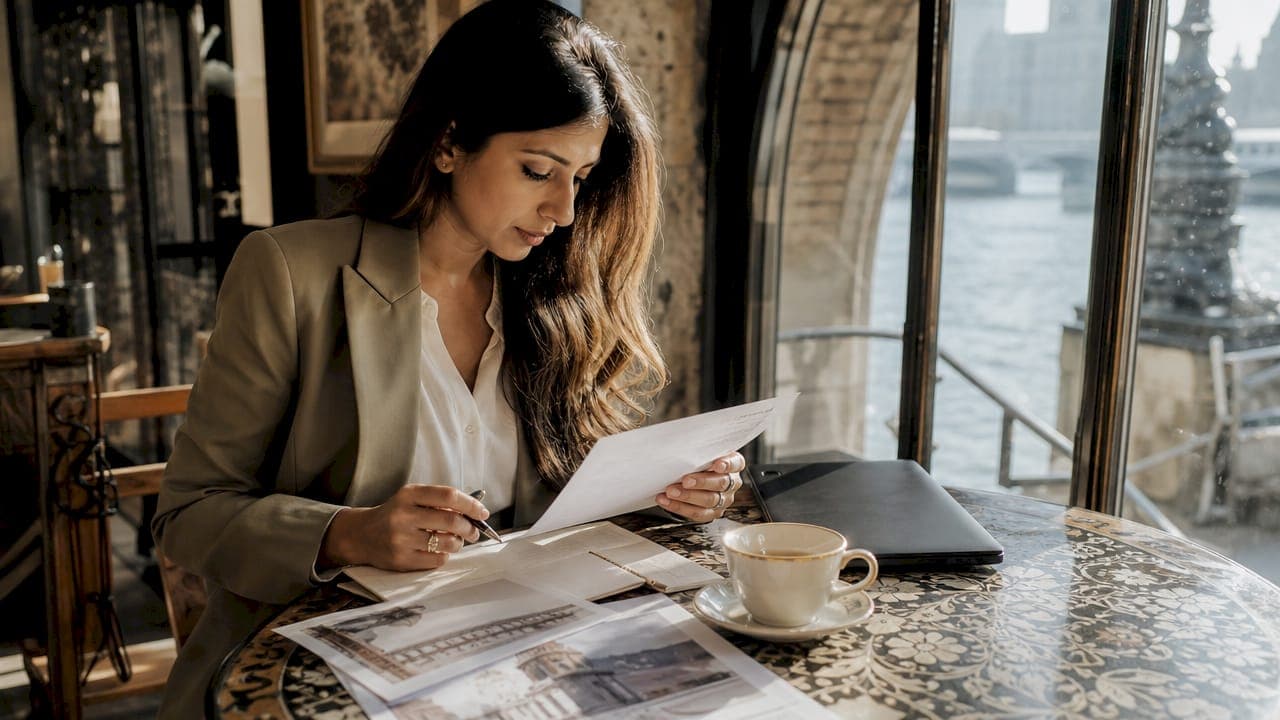
London wedding photography regulations define the legal and permit requirements that couples, planners, and photographers must follow when organising wedding photo shoots across the capital. These rules govern everything from shooting in the Royal Parks to the precise moment a registrar permits a photographer to raise their camera during a civil ceremony. Getting this right protects your images, your investment, and the legal standing of your wedding day. Understanding the framework before you book a photographer is the clearest way to avoid costly surprises.
What are the London wedding photography regulations for public spaces?
Professional wedding photography in London's public spaces is governed by a layered set of permit and insurance requirements. The rules differ depending on whether you are shooting in a Royal Park, on a City of London street, or in a managed public square. Knowing which authority to contact is the first practical step.
Royal Parks permit requirements
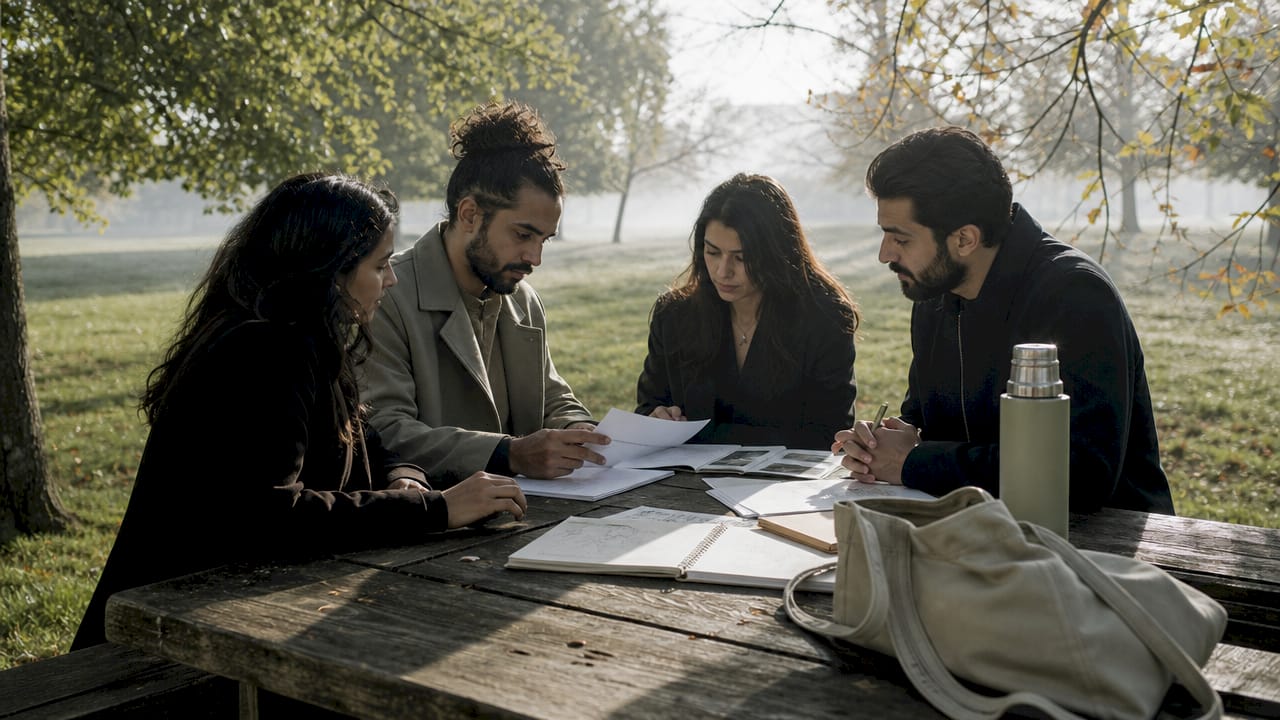
Royal Parks photography requires a permit for groups of up to 10 people, covering a session of up to one hour. Applications need at least 10 working days' notice, along with proof of Public Liability Insurance with a minimum cover of £5 million. That minimum reflects the Royal Parks' responsibility to protect public access and the landscape. Hyde Park, Regent's Park, and Greenwich Park are among the most sought-after backdrops for wedding portraits, so applying early is not optional.
City of London street photography
The City of London operates its own distinct permissions framework. Professional photography on public streets in the Square Mile requires a Notice of No Objection. A Hoarding Licence costs £720 and must be applied for at least 20 working days in advance. That timeline is longer than most couples expect, so factor it into your planning calendar from the moment you confirm your venue.
When is a permit not required?
Permits are not required for small, unobtrusive shoots using handheld equipment that do not block public access. A photographer walking alongside a couple with a single camera and no lighting rigs generally falls outside the permit threshold. The moment you introduce tripods, lighting stands, or a group larger than a handful of people, the rules change. Many spaces that appear open to the public still require explicit permission when professional equipment is involved.
Key permit requirements at a glance:
- Royal Parks: permit for up to 10 people, 1-hour session, 10 working days' notice, £5 million Public Liability Insurance
- City of London streets: Notice of No Objection, Hoarding Licence at £720, 20 working days' notice minimum
- London boroughs: engage the local Borough Film Service; costs vary by location
- Handheld, unobtrusive shoots: generally permit-free, but confirm with the specific authority
Pro Tip: Apply for all permits at least four weeks before your wedding date. Delays in approval are common during peak summer months, and a refused permit with no time to reapply can eliminate a location entirely.
Who owns your wedding photographs under UK law?
Copyright ownership in wedding photography is one of the most misunderstood areas of wedding photography laws in London. The legal position is clear and non-negotiable.
Under UK copyright law, the photographer owns the copyright immediately upon creating the images. Couples receive a personal-use licence, not ownership of the images themselves. Transferring copyright to the couple requires an explicit written agreement. Without that agreement, a couple cannot legally sell, publish commercially, or alter the images, even though they appear in them.
Licensing terms to look for in your contract
Licensing agreements vary considerably between photographers. The most common terms you will encounter include:
- Personal-use licence: allows printing, sharing on social media, and gifting to family
- Exclusive licence: grants the couple sole rights to use the images for defined purposes
- Non-exclusive licence: the photographer retains the right to use images for their portfolio and marketing
- Time-limited licence: usage rights expire after a set period, often five or ten years
- Territorial restrictions: usage confined to specific countries or platforms
Review every clause before signing. Pay particular attention to whether the photographer can use your images in advertising, enter them into competitions, or publish them on third-party platforms. If you want full control, negotiate a copyright transfer clause and have it confirmed in writing. Farringford Legal notes that this transfer must be explicit; verbal agreements carry no legal weight under UK law.
Pro Tip: Ask your photographer directly: "Do you retain the right to publish our images?" A reputable photographer will answer clearly and include the terms in the contract.
What photography rules apply inside London registry offices and venues?
Venue-specific rules represent the most operationally complex part of London marriage photography rules. Registry offices and licensed venues each set their own conditions, and the registrar holds authority during the ceremony itself.
Civil ceremony restrictions
During civil ceremonies, registrars control the pace of proceedings and restrict where photographers can stand. Most registry offices limit photographers to one or two fixed positions. Movement during the ceremony is generally not permitted. Flash photography is widely discouraged, and some venues ban it entirely to preserve the formality of the occasion.
Registrars forbid posing or staging photographs during the legal signing of the marriage register. However, an unofficial "signing moment" immediately after the ceremony is standard practice. This is the moment your photographer should be ready for, positioned and prepared before the registrar concludes proceedings.
Confetti and venue policies
Confetti rules are stricter than most couples anticipate. Many London venues enforce a policy permitting only biodegradable confetti outside the building. Metallic glitter, rice, and confetti cannons are banned at venues including Old Marylebone Town Hall. Some venues require confetti to be pre-ordered directly from them. Violations can result in fines, which are deducted from the security deposit.
Common venue photography restrictions to confirm in advance:
- Photographer movement limited to designated areas during the ceremony
- Flash use: confirm whether permitted, restricted, or banned entirely
- Confetti: biodegradable only, outside only, pre-approved by venue
- Tripods and lighting rigs: often require separate venue approval
- Second shooter or videographer: some venues charge an additional fee per professional
Pro Tip: Visit the venue with your photographer before the wedding day. Walking the space together lets you identify the best fixed positions, test available light, and confirm restrictions directly with the venue coordinator.
How to plan your London wedding photography shoot step by step
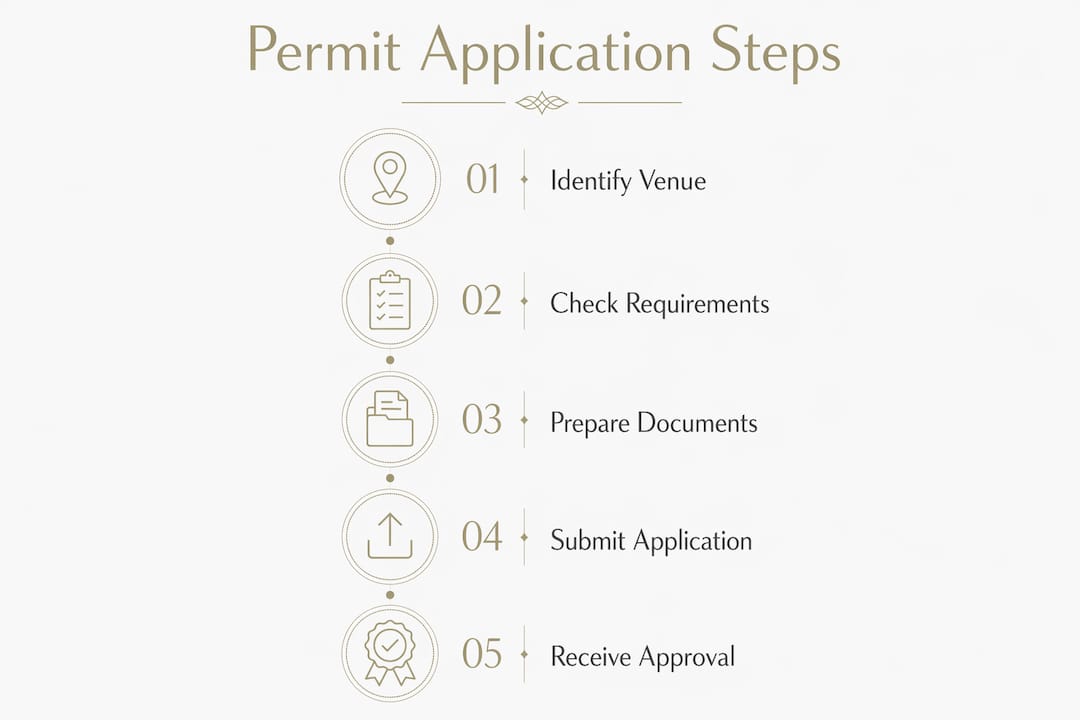
Practical planning is what separates a smooth shoot from a day of avoidable complications. The legal requirements for wedding photography in London are manageable when you approach them in sequence.
-
Confirm your venue's photography policy in writing. Request the full list of restrictions from the venue coordinator at least three months before the wedding. Ask specifically about flash, movement, confetti, and additional fees for second shooters.
-
Identify which public spaces you want to use for portraits. Check whether each location falls under Royal Parks, City of London, or borough jurisdiction. Each authority has a different application process and timeline.
-
Apply for permits with the correct authority. Royal Parks requires 10 working days' notice minimum. The City of London requires 20 working days. Borough Film Services vary. Build these timelines into your planning calendar from the outset.
-
Confirm your photographer's Public Liability Insurance. Insurance is non-negotiable and protects all parties. Most London permits require cover of £2 million to £5 million. Ask for a copy of the certificate before the wedding day.
-
Review the photography contract thoroughly. Confirm copyright ownership, licensing terms, image delivery timelines, and cancellation clauses. If you want the right to publish images commercially, negotiate a copyright transfer in writing.
-
Brief your photographer on venue-specific rules. Share the venue's written policy with your photographer well in advance. Discuss the civil ceremony restrictions, the signing moment timing, and any confetti arrangements.
-
Plan your portrait locations with permits confirmed. Once permits are secured, work with your photographer to plan the portrait schedule. For Asian wedding locations in London, consider how cultural ceremony timings affect the portrait window.
-
Prepare documentation for the shoot day. Carry printed copies of all permits, insurance certificates, and venue approvals. Authorities occasionally request these on the day, and having them to hand avoids delays.
Key takeaways
London wedding photography regulations require permits, insurance, and clear contracts to protect couples, photographers, and venues throughout the entire wedding day.
| Point | Details |
|---|---|
| Royal Parks permits | Apply 10 working days in advance with £5 million Public Liability Insurance cover. |
| City of London shoots | Obtain a Notice of No Objection and budget £720 for a Hoarding Licence with 20 days' notice. |
| Copyright ownership | The photographer owns copyright by default; couples need a written agreement to transfer rights. |
| Registry office rules | Registrars restrict movement and flash; plan for the post-ceremony signing moment instead. |
| Confetti policies | Use only biodegradable confetti outside; metallic glitter and cannons are banned at most London venues. |
What I have learned from years of shooting London weddings
Working across London's most celebrated venues and public spaces has taught me that the couples who plan with the regulations in mind always end up with the most beautiful images. The ones who don't often spend part of their wedding day managing avoidable friction.
The most persistent misconception I encounter is that a civil ceremony is a relaxed, flexible affair where the photographer can move freely and capture everything spontaneously. The reality is that registrars are professionals conducting a legal proceeding. They set the pace, and they will pause or redirect a photographer who steps outside the agreed boundaries. Understanding this before the day means you can brief your photographer properly and plan for the moments that matter most.
Insurance and permits feel like administrative details until the day they are not. I have seen shoots halted in the Royal Parks because a photographer could not produce proof of cover on the spot. That is not a recoverable situation on a wedding day. Choosing a London wedding photographer who carries the correct insurance and understands the permit process is as important as choosing someone whose work you admire.
The other thing I would say is this: the regulations are not obstacles. They are the framework within which genuinely cinematic, timeless images are made. Knowing exactly where you can stand, when you can shoot, and what the light will do at a fixed position is what separates a prepared photographer from a reactive one. The best wedding images I have made in London came from sessions where every permission was in place and every restriction was known in advance.
— Rashpal
Rashpal-photography: your trusted partner for compliant London wedding shoots
Navigating the permit and legal landscape of a London wedding is a significant undertaking, and it deserves a photographer who treats compliance as part of the craft.
Rashpal-photography brings years of experience working across London's Royal Parks, registry offices, and cultural ceremony venues. Every shoot is covered by full Public Liability Insurance, and permit applications are handled as a standard part of the service. Whether you are planning an intimate civil ceremony or a grand cultural celebration, the Classic Investment package offers comprehensive 14-hour coverage with an engagement shoot included. For couples who want to see the full range of options, all pricing and packages are available to browse at your own pace.
FAQ
Do I need a permit for wedding photography in London parks?
Professional wedding photography in the Royal Parks requires a permit for groups of up to 10 people, with 10 working days' notice and proof of £5 million Public Liability Insurance.
Who owns wedding photos taken in London?
The photographer owns the copyright immediately upon creation under UK law. Couples receive a personal-use licence unless a written copyright transfer is agreed in the contract.
Can a photographer move freely during a London registry office ceremony?
Registrars restrict photographer movement to one or two fixed positions during civil ceremonies. Flash photography is generally discouraged, and posing during the legal signing is not permitted.
Is confetti allowed at London wedding venues?
Most London venues, including Old Marylebone Town Hall, permit only biodegradable confetti outside the building. Metallic glitter, rice, and confetti cannons are banned, and violations can result in fines.
What insurance does a London wedding photographer need?
Public Liability Insurance of £2 million to £5 million cover is the standard requirement for most London permits and venues. Ask your photographer for a copy of their certificate before the wedding day.
Recommended
- How to Choose an Asian Wedding Photographer in London Rashpal Photography | Wedding Photographer Uxbridge, UK
- The RP Style Rashpal Photography | Wedding Photographer Uxbridge, UK
- Top Tips For Camera Shy Couples Rashpal Photography | Wedding Photographer Uxbridge, UK
- Common Mistakes Made By Amateur Wedding Photographers Rashpal Photography | Wedding Photographer Uxbridge, UK