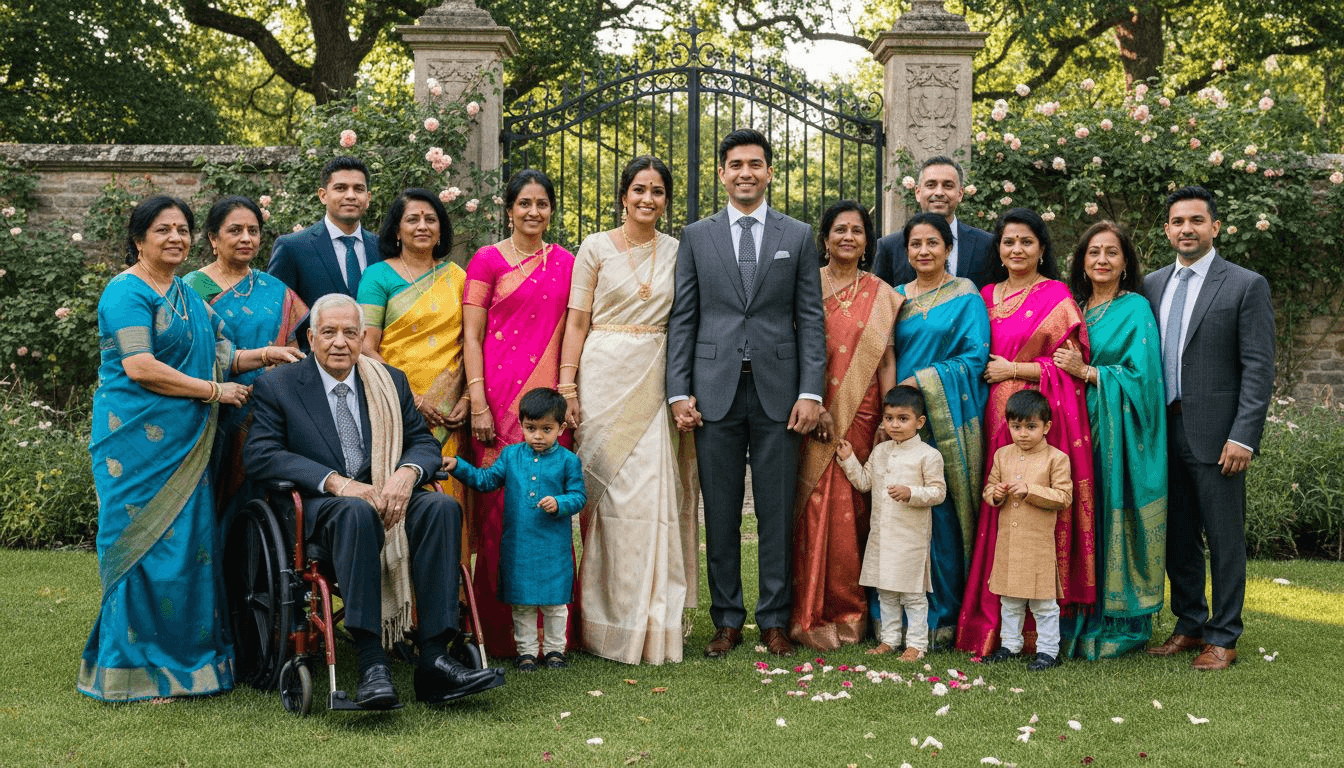
Organising family portraits during your wedding can feel overwhelming, especially when you want to honour cultural traditions and ensure every important relative appears in the photos. Many couples struggle to balance tight timelines with the desire to capture meaningful group shots that reflect their heritage and family bonds. Without proper planning, portraits can become rushed, chaotic, or incomplete, leaving you with regrets after the day. This guide provides practical steps to coordinate family portraits efficiently, respect cultural customs, and create images that celebrate your relationships for generations to come.
Table of Contents
- Understanding the importance of family portraits in Asian weddings
- Preparing for family portraits: essentials and communication
- Executing portraits on the wedding day: tips for smooth coordination
- Checking and preserving your family portraits after the wedding
- Discover expert wedding photography packages
- How to coordinate family portraits wedding FAQ
Key takeaways
| Point | Details |
|---|---|
| Plan early | Create a detailed list of family groupings at least two months before your wedding to avoid last-minute confusion |
| Assign a coordinator | Designate a trusted family member to gather groups quickly and keep the session flowing smoothly |
| Respect cultural customs | Incorporate traditional seating arrangements, hand gestures, or symbolic elements that honour your heritage |
| Communicate clearly | Share your photo list and timeline with both family members and your photographer well in advance |
| Keep sessions efficient | Start with immediate family and work outward to extended relatives, minimising waiting times for guests |
Understanding the importance of family portraits in Asian weddings
Family portraits in Asian weddings are often tied to deep cultural meanings and involve multiple generations, serving as visual records of lineage, unity, and respect. These images go beyond simple group shots. They document the merging of two families, honour elders, and preserve cultural heritage for future generations to treasure. In many South Asian, East Asian, and Southeast Asian traditions, the wedding day represents a union not just between two individuals but between entire extended families, making comprehensive family portraits essential.
Different cultural backgrounds bring distinct portrait styles and important groupings. Hindu weddings might feature portraits with parents performing blessings, whilst Sikh ceremonies often include the entire sangat or congregation in key moments. Chinese weddings traditionally prioritise shots with both sets of parents together, symbolising family harmony. Understanding these nuances helps you plan which groups matter most and ensures no significant combination gets overlooked amid the wedding day's hustle.
The challenge lies in balancing cultural expectations with practical time constraints. Extended families can include dozens of relatives, each deserving recognition in your portrait collection. Without structured planning, you risk missing crucial groupings or spending so much time on photos that guests grow restless. Recognising the cultural weight these portraits carry motivates careful coordination, transforming what could be a stressful scramble into a meaningful celebration of your heritage and relationships.
"The family portrait session is where tradition meets memory. Every grouping tells a story of connection, respect, and the beautiful complexity of our cultural roots."
Key elements that make Asian wedding family portraits distinctive include:
- Multiple generational groupings that honour elders and younger family members equally
- Gender-specific groups such as all maternal aunts or paternal uncles, reflecting family structure
- Cultural symbols like traditional attire, religious items, or specific hand positions that add meaning
- Larger group sizes compared to Western weddings, often including cousins, extended relatives, and close family friends
These elements require thoughtful planning to execute properly. You cannot simply gather everyone and hope for the best. Each grouping needs consideration, each cultural element deserves attention, and each family member should feel valued in the process. When coordinated well, your weddings portraits become treasured heirlooms that future generations will study to understand their roots and celebrate their heritage.
Preparing for family portraits: essentials and communication
Preparation is critical to successful family portraits, saving time and reducing stress on your wedding day. Start by creating a comprehensive list of desired family groupings at least two months before your wedding. This gives you time to refine the list, consult with parents about cultural priorities, and communicate plans to everyone involved. Your list should prioritise groupings by cultural significance, starting with immediate family and working outward to extended relatives.
Follow these steps to build your portrait list:
- Begin with core family groups such as bride with parents, groom with parents, and couple with both sets of parents together
- Add sibling combinations including all siblings together, gender-specific groups, and individual sibling portraits with the couple
- Include extended family groupings like maternal grandparents with their children and grandchildren, paternal side equivalents, and cousins
- Consider cultural-specific groups such as all aunties, all uncles, or family friends who hold special significance
- Note any special requests from elders or parents about traditional groupings that matter to your heritage
- Review the list with your partner and parents to ensure no important combinations are missing
Communication transforms a good list into successful execution. Share your portrait plans with family members at least one month before the wedding. Explain which groups you want, approximately when portraits will happen, and why their cooperation matters. This advance notice helps relatives mentally prepare, arrange appropriate attire, and understand their role in making the session smooth. Family members appreciate knowing what to expect rather than being surprised on the day.

Assigning a family coordinator proves invaluable for keeping portraits organised. Choose someone who knows both families well, commands respect, and can assertively gather groups without causing offence. This person should not be in many photos themselves, freeing them to focus on coordination. Provide your coordinator with a copy of the photo list, clear instructions about the order of groupings, and authority to politely move things along when needed.
Pro Tip: Create a simple timeline showing when each major grouping will be photographed, such as immediate family during cocktail hour or extended relatives after the ceremony. Share this timeline with your photographer, coordinator, and key family members so everyone knows the schedule.
| Preparation task | Recommended timing | Responsible party |
|---|---|---|
| Create initial photo list | 8-10 weeks before wedding | Couple |
| Review list with parents | 6-8 weeks before wedding | Couple and parents |
| Share list with photographer | 4-6 weeks before wedding | Couple |
| Assign family coordinator | 4 weeks before wedding | Couple |
| Communicate plans to family | 3-4 weeks before wedding | Couple and coordinator |
| Final list confirmation | 1-2 weeks before wedding | Couple and photographer |
Providing your photographer with the finalised list and timeline well in advance allows them to plan lighting, locations, and pacing. Professional photographers experienced with essentials investment 12 hours coverage understand how to allocate time efficiently, but they need your input about cultural priorities and must-have groupings. This collaboration ensures technical excellence meets cultural sensitivity, resulting in portraits that look beautiful and feel meaningful.
Executing portraits on the wedding day: tips for smooth coordination
Execution determines whether your careful planning translates into successful portraits or dissolves into chaos. Professional photographers use structured approaches to manage numerous family group shots efficiently, but they need your cooperation and that of your family coordinator to make it work. Start portraits with immediate family groups, as these core combinations matter most and involve fewer people, making them quicker to organise. Once you complete these priority shots, move outward to extended relatives and larger groupings.
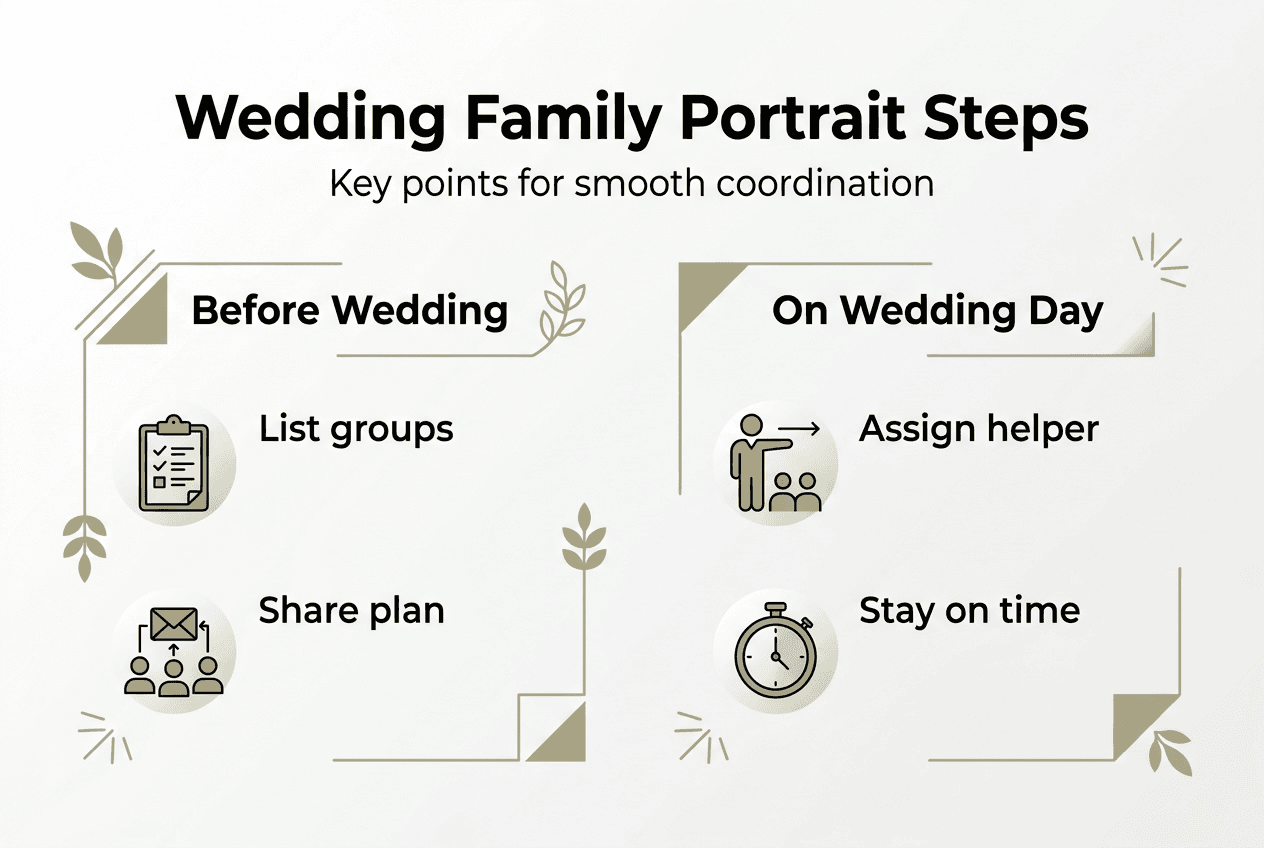
Your family coordinator should position themselves near the portrait location before the session begins. As each group finishes, the coordinator immediately calls the next grouping, minimising gaps between shots. Clear, confident communication keeps energy positive and prevents the session from dragging. The coordinator might say, "Maternal aunties and the bride, please come forward now," rather than vaguely asking for relatives to gather. Specificity eliminates confusion and speeds up the process significantly.
Respecting cultural customs during posing enhances the significance and authenticity of your portraits. Traditional elements might include:
- Seating elders in chairs at the centre whilst younger generations stand around them, showing respect for hierarchy
- Specific hand positions such as prayer gestures, blessing poses, or holding cultural items like a Guru Granth Sahib or religious texts
- Gender-separated groupings on opposite sides of the couple, reflecting traditional family structure
- Symbolic arrangements like parents standing closest to the couple, then siblings, then extended family in concentric circles
These customs add depth and meaning to portraits, transforming standard group shots into cultural documentation. Discuss these elements with your photographer beforehand so they understand the significance and can suggest flattering ways to incorporate traditions whilst maintaining visual balance and good lighting.
Keeping the mood light and joyful captures genuine expressions rather than stiff, formal faces. Your photographer and coordinator should work together to create a relaxed atmosphere, perhaps with gentle humour or encouraging words. When family members feel comfortable and valued, their natural warmth shines through in the images. Avoid rushing so aggressively that people feel stressed, but maintain enough momentum that energy does not flag.
Pro Tip: Position your portrait location near your reception or ceremony space to minimise travel time. Natural light near windows or outdoor spots with open shade typically provides the most flattering illumination for group portraits.
| Approach | Quick photo session | Detailed portrait style |
|---|---|---|
| Time per grouping | 1-2 minutes | 3-5 minutes |
| Number of poses | 1-2 standard arrangements | Multiple poses and angles |
| Best for | Large weddings with many groupings | Intimate weddings with fewer groups |
| Photographer involvement | Minimal direction, efficient positioning | Active posing guidance, creative compositions |
| Guest experience | Minimal waiting, quick return to celebration | Longer session, may require patience |
Choosing between these approaches depends on your priorities and schedule. Most Asian weddings benefit from a hybrid method, using quick sessions for extended family whilst allowing more time for immediate family portraits that might include cultural elements or creative compositions. Discuss your preference with your photographer when reviewing your timeline, ensuring they allocate appropriate time for each grouping type.
Minimising waiting times for guests maintains positive energy throughout your wedding. Nobody enjoys standing around whilst endless portrait combinations happen. By starting promptly, working efficiently, and limiting the session to truly important groupings, you respect your guests' time whilst still capturing meaningful family portraits. Consider offering refreshments near the portrait area so waiting relatives can relax comfortably rather than standing idle.
Checking and preserving your family portraits after the wedding
Post-wedding photo review helps ensure no important groups were missed and cultural moments preserved. Once you receive your proofs or gallery preview, review family portraits carefully with your partner and perhaps your parents. Check that all planned groupings appear and that cultural elements you requested are visible and well-captured. Whilst you cannot reshoot the wedding, identifying any gaps helps you understand what happened and prevents similar issues at future family events.
Discuss with your photographer any cultural poses or symbols you want highlighted in your final album or prints. Professional photographers might have captured beautiful detail shots of traditional elements like henna designs, religious items, or specific hand gestures during portraits. Requesting these images ensures they receive appropriate prominence in your final collection, celebrating the cultural richness of your wedding day.
Creating albums organised by family lineage or cultural tradition helps preserve and share your heritage meaningfully. You might design one album featuring your maternal family's story, another for your paternal side, and a master album combining both families. This approach allows you to gift personalised albums to grandparents or parents, showing them their specific family groupings whilst honouring their importance in your life and wedding celebration.
Sharing photos with family members requires cultural sensitivity and thoughtfulness. Consider these approaches:
- Create private online galleries for different family branches, allowing relatives to view and download their relevant portraits
- Print and frame key groupings as gifts for parents, grandparents, or elders who may not use digital technology comfortably
- Respect any cultural preferences about image sharing, such as families who prefer not to post religious ceremony moments on social media
- Include brief captions or notes explaining the significance of certain groupings, helping younger generations understand family connections
Archiving ensures your family heritage is preserved for future generations. Store high-resolution digital files in multiple locations, including cloud storage and physical hard drives. Consider creating a family heritage book that combines portraits with written explanations of family relationships, cultural traditions captured in the images, and stories from your wedding day. This documentation becomes invaluable as years pass and family structures evolve.
Your wedding photography portfolio represents more than beautiful images. It documents your cultural identity, family bonds, and the moment two lineages united. Treating these portraits with care and intention honours the effort everyone invested in creating them and ensures their meaning endures. Future children and grandchildren will study these images to understand their roots, recognise relatives, and appreciate the cultural traditions that shaped their family story.
Discover expert wedding photography packages
Coordinating meaningful family portraits requires both careful planning and professional expertise. Rashpal Photography specialises in Asian wedding traditions, offering packages designed to accommodate detailed family portrait coordination whilst capturing the spontaneous joy of your celebration. With experience photographing diverse cultural ceremonies, the team understands how to balance structured group shots with candid moments that reflect your authentic story.
Flexible coverage options range from engagement shoots that help you become comfortable in front of the camera to full-day wedding packages that ensure no important moment goes undocumented. The classic investment 14 hours engagement shoot package provides ample time for comprehensive family portraits alongside ceremony and reception coverage. Transparent wedding photography pricing helps you choose the right investment for your needs, whilst the portfolio showcases the beautiful results achieved through collaboration between couples and photographers. Explore weddings photography services to discover how professional guidance transforms portrait coordination from a stressful obligation into a joyful celebration of family and heritage.
How to coordinate family portraits wedding FAQ
What is the best way to ensure all family groups are included?
Create a detailed written list of every desired grouping at least two months before your wedding, then review it with your parents and partner to catch any missing combinations. Share this finalised list with your photographer and family coordinator, ensuring everyone understands which groups matter most culturally and personally.
How far in advance should we plan family portraits?
Begin planning your family portrait list eight to ten weeks before your wedding to allow time for revisions and communication. Share the finalised plan with your photographer four to six weeks in advance, and inform family members about their expected participation at least three weeks before the wedding day.
Can cultural customs be integrated into modern portrait styles?
Absolutely, professional photographers experienced with Asian weddings can incorporate traditional elements like blessing poses, religious items, or hierarchical seating arrangements whilst using contemporary lighting and composition techniques. Discuss your specific cultural customs with your photographer during planning to ensure they understand the significance and can execute them beautifully.
Should we assign a family member to help coordinate on the day?
Yes, designating a trusted family coordinator who knows both families well proves invaluable for gathering groups efficiently and keeping the session flowing smoothly. Choose someone assertive yet respectful who appears in few photos themselves, freeing them to focus entirely on coordination rather than rushing between roles.
How do we keep portraits running on schedule during a busy wedding?
Start with immediate family groups first, work outward to extended relatives, and limit each grouping to one or two poses unless cultural significance warrants more time. Your family coordinator should call the next group whilst the current one is still being photographed, eliminating gaps and maintaining momentum throughout the session.
Recommended
- How to Pose for Perfect Wedding Photos Rashpal Photography | Wedding Photographer Uxbridge, UK
- Gold Engagement Shoot Rashpal Bhachu | Engagement shoots Wedding Photographer, Uxbridge, UK
- Silver Engagement Shoot Rashpal Bhachu | Engagement shoots Wedding Photographer, Uxbridge, UK
- The Minimalist Investment (8 Hours) Rashpal Bhachu | Rp photography Wedding Photographer, Uxbridge, UK