TL;DR:
- A strong relationship between couples and their photographer is crucial for authentic wedding images, especially in Asian traditions. Building trust, open communication, and cultural understanding enables natural, emotionally resonant photographs that truly reflect the couple's story; misunderstandings can be avoided through clear agreements and deliberate collaboration. Prioritizing relationship quality over technical skill results in images that move people and a more enjoyable wedding experience overall.
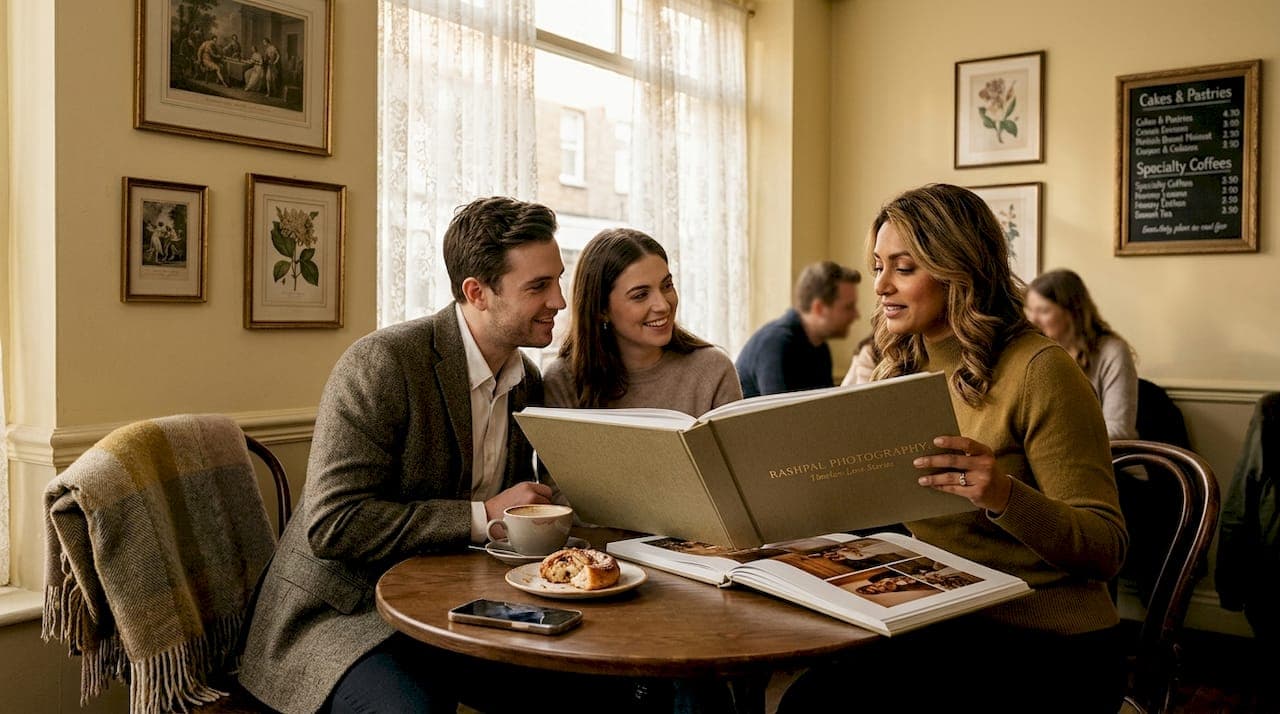
You could hire the most technically gifted photographer in London, someone with award-winning instincts and a camera that costs more than a family car, and still end up with images that feel flat, forced, or entirely disconnected from the warmth of your day. The reason is rarely skill. It is almost always relationship. The bond between a couple and their photographer is one of the most underestimated forces in wedding photography, particularly at Asian weddings where layered traditions, rituals, and family dynamics demand far more than pointing and shooting. How well you understand each other shapes everything.
Table of Contents
- Why photographer-client relationships matter for wedding authenticity
- The anatomy of a strong photographer-client relationship
- Pitfalls: where photographer-client relationships break down
- How couples can foster a healthy and collaborative relationship
- What most wedding articles miss about photographer-client relationships
- Discover trusted wedding photography tailored to you
- Frequently asked questions
Key Takeaways
| Point | Details |
|---|---|
| Trust enables authenticity | The right relationship lets genuine moments shine, creating more meaningful photographs. |
| Set expectations early | Discuss your involvement, preview access, and desired moments at the start to avoid disappointment. |
| Respect creative boundaries | A healthy client-photographer dynamic balances feedback with allowing artistic expertise to lead. |
| Embrace cultural nuance | Choose a photographer experienced in your traditions for richer, more nuanced storytelling. |
Why photographer-client relationships matter for wedding authenticity
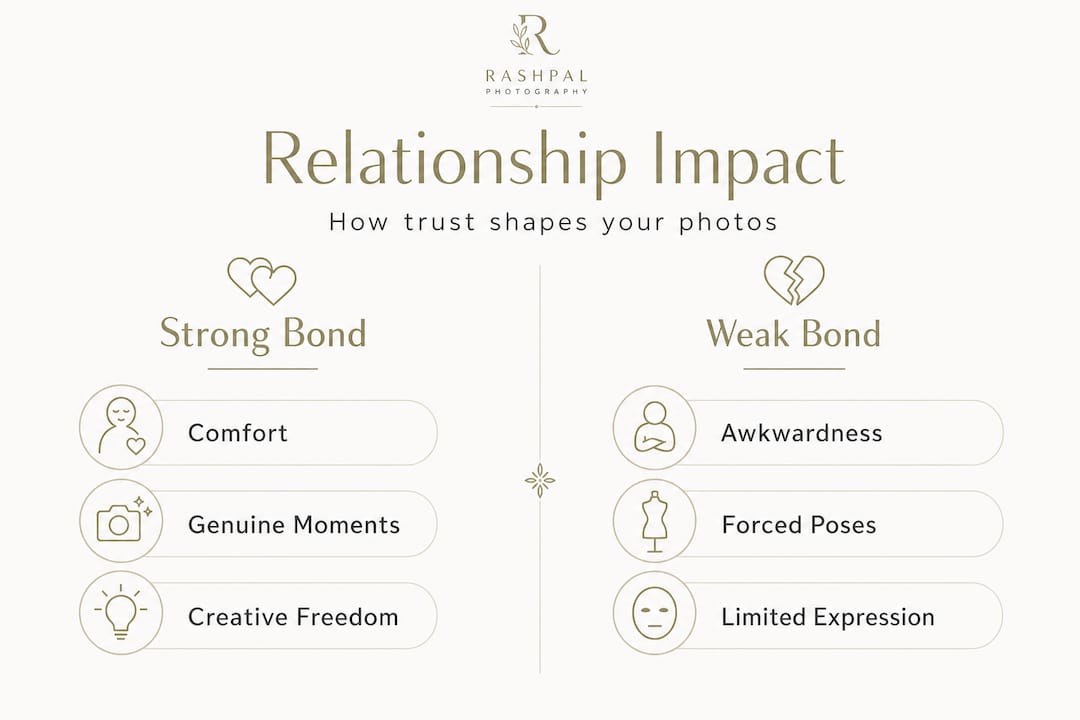
At the heart of any truly memorable wedding photograph is a moment of genuine feeling, and genuine feeling rarely emerges when a couple feels observed rather than accompanied. Trust is the invisible ingredient that separates a stiff, orchestrated portrait from an image that actually moves people. When you trust your photographer, you stop performing for the camera and start simply being present, and that shift is precisely what allows authentic storytelling to flourish.
For Asian weddings in the UK, the stakes are even higher. A Sikh baraat, a Hindu vidaai, a Muslim nikah, each of these rituals carries profound emotional and spiritual weight that a photographer unfamiliar with the traditions can easily misread or, worse, miss entirely. Understanding the impact of photography on Asian weddings begins with recognising that cultural fluency is not a bonus quality. It is foundational. A photographer who understands why the bride's mother weeps at the vidaai will anticipate that moment and position themselves accordingly. One who doesn't may be capturing the centrepiece at the time.
Beyond cultural understanding, there are several practical dimensions where the relationship between photographer and couple directly shapes the quality of work produced:
- Comfort on camera: Couples who feel at ease with their photographer move naturally, laugh genuinely, and connect with each other rather than with the lens.
- Open communication: Sharing personal priorities, from which relatives to feature to which moments feel sacred, allows the photographer to plan with precision.
- Aligned expectations: Understanding the editing style, delivery timeline, and gallery format prevents disappointment after the wedding.
- Respect for boundaries: Both parties deserve clarity on what is expected, particularly around image previews and creative input during post-production.
As one insightful perspective on photographer-client dynamics notes, transparency and communication impact the creative process in ways that go beyond simple courtesy. They shape the entire arc of how images are made and delivered.
"The relationship between photographer and client is not a transaction. It is a collaboration, and like all meaningful collaborations, it requires honesty, clarity, and mutual respect from the very first conversation."
Having established why relationships matter, next we focus on how communication and collaboration shape outcomes.
The anatomy of a strong photographer-client relationship
Strong photographer-client relationships do not happen by accident. They are built deliberately, through consistent communication, cultural awareness, and a shared commitment to something beautiful. For engaged couples planning an Asian wedding, understanding what a healthy working relationship looks like can save considerable stress and ensure your memories are captured with the care they deserve.
There are four core pillars that define a successful collaboration:
- Openness: Both the couple and the photographer should establish clear expectations during the very first meeting, covering everything from the wedding day timeline to the mood and tone of the final images.
- Cultural fluency: A photographer experienced in diverse South Asian traditions brings an innate understanding of which moments are essential, who the key figures are, and how rituals unfold, allowing them to capture what matters without intrusion.
- A defined feedback loop: Agreeing in advance on what input clients will have, and at which stage, is critical. Not all photographers welcome client interaction during the post-production phase, and understanding this early avoids tension later.
- Reliability and responsiveness: A photographer who returns messages promptly, shows up to planning meetings prepared, and keeps you informed throughout the process builds the kind of confidence that translates into relaxed, joyful images on the day.
| Relationship quality | Impact on images | Impact on experience |
|---|---|---|
| High trust and openness | Natural, emotionally resonant photographs | Relaxed, enjoyable wedding day |
| Moderate rapport | Decent but occasionally stiff results | Some uncertainty or miscommunication |
| Low trust or poor communication | Posed, disconnected, or missed moments | Stress and post-wedding disappointment |
Pro Tip: Use your engagement shoot or pre-wedding meeting as a genuine rehearsal for your working relationship. If conversations feel easy and your photographer asks thoughtful questions about your traditions and priorities, that is a very encouraging sign.
Exploring client access strategies before signing any contract will also give you a clearer picture of how your photographer manages the gallery delivery process and what level of involvement you can expect after the wedding day.
Understanding what makes a strong relationship, let's examine what can go awry when boundaries aren't respected.

Pitfalls: where photographer-client relationships break down
Even the most promising creative partnerships can unravel when expectations are left unspoken, or when one party begins to encroach on the other's role. In the context of wedding photography, the most common sources of friction fall into a few distinct patterns, and being aware of them early is one of the most valuable things you can do as an engaged couple.
The most frequent flashpoint involves creative control during editing. Client involvement in post-production decisions can cause genuine conflicts that disrupt the artistic workflow and ultimately compromise the final images. This is not because photographers are precious or inflexible. It is because post-production is where an artist's vision takes form, and too many voices at that stage can result in inconsistency, compromise, and work that belongs to no single coherent aesthetic.
Common pitfalls to be aware of include:
- Over-involvement in image selection: Requesting to approve every photograph before editing begins places enormous pressure on the creative process and can delay delivery significantly.
- Unclear feedback timelines: Sending revision requests months after delivery, or asking for reshoots based on changing preferences, creates professional strain.
- Conflicting stylistic visions: Choosing a photographer whose natural style is moody and cinematic and then requesting bright, editorial images after the fact rarely ends well for either party.
- Absence of a written agreement: Verbal understandings are fragile. Without a formal contract that covers previews, delivery timelines, and image usage, misunderstandings are almost inevitable.
The mistakes that amateur photographers often make are informative here too. Professionals avoid many of these pitfalls precisely because they have refined their client communication alongside their craft. Understanding the RP style and approach before booking gives you a clear window into how the creative process is managed and what the collaboration will genuinely look like.
The good news is that every one of these pitfalls is avoidable with clear, early communication and a shared understanding of roles. And that leads us neatly to the most empowering section of this article.
How couples can foster a healthy and collaborative relationship
Knowing what can go wrong is only useful if it inspires action. The most fulfilling photographer-client relationships are built on intention and care, and as the couple commissioning this deeply personal work, you have more influence over the quality of that relationship than you might realise.
Here are the practical steps that will set your collaboration on the right course:
- Schedule a dedicated planning meeting: Use this time to walk through the wedding day schedule, identify the most significant cultural rituals, discuss family dynamics, and share any personal priorities you want reflected in the images.
- Discuss and document your agreements: Cover image selection, preview access, feedback windows, and delivery timelines in writing. As the evidence around explicit agreements clearly shows, clarity on these points prevents conflict and sets both parties up for success.
- Trust in your photographer's creative process: You chose them for their vision. Allow that vision to flourish by resisting the urge to micromanage the editing stage, while still feeling confident to share your personal priorities early on.
- Establish your preferred communication channel: Whether that is email, WhatsApp, or a scheduled call, agreeing on how you will stay in touch throughout the planning and post-wedding period keeps things professional and reassuring.
| Step | Why it matters | When to do it |
|---|---|---|
| Planning meeting | Aligns vision and cultural priorities | 4 to 8 weeks before the wedding |
| Written agreements | Prevents post-wedding disputes | At contract stage |
| Style discussion | Ensures creative alignment | During initial consultation |
| Communication channel agreed | Reduces anxiety and delays | From the moment of booking |
Many couples find it useful to review client access tips so they understand how gallery viewing and delivery works in practice. For couples who feel nervous in front of a camera, reviewing wedding photo pose tips together before the day can also build confidence and ease considerably.
Pro Tip: Before your wedding day, share a short written list of your five most important moments with your photographer. Not a full shot list, just the emotional highlights that matter most to you. This simple gesture often results in images that feel remarkably personal and considered.
With the practical steps covered, let's review key takeaways and shift towards a nuanced perspective on how these relationships can truly shape your experience and memories.
What most wedding articles miss about photographer-client relationships
Most advice on this topic tells you to communicate openly, book early, and trust your photographer. All of that is true. But it skims over something more uncomfortable and more important: the fact that a great relationship does not mean a frictionless one, and trying to please everyone is often the surest route to images that please no one.
Here is what years of working with diverse couples across deeply meaningful Asian weddings has revealed. Every couple is unique, every family dynamic is different, and every cultural ceremony carries its own rhythm and emotional geography. There is no formula that works universally. What works is clarity about roles, and the courage to hold to those roles even when it feels easier to blur them.
A photographer who allows clients to direct the editing process in real time is not being generous. They are abandoning the very thing the couple hired them for. And as even transparent processes show, not all photographers want client interaction during post-production, because it can conflict with their art direction and the coherence of the final work. That is not arrogance. It is professionalism.
Mutual trust is not about agreeing on everything. It is about understanding what each person's role is and respecting the expertise that comes with it. When a couple trusts their photographer to make bold, instinctive creative decisions on the day, something remarkable happens. The images stop being records and become art. They stop documenting and start expressing. And that expression is precisely what makes a photograph worth keeping for generations.
Reviewing photography pricing options is often where couples begin their search, but the most valuable investment you will make is the time you give to building a genuine working relationship before your wedding day even begins.
Discover trusted wedding photography tailored to you
At Rashpal Photography, every client relationship is treated with the same care and intention that goes into the imagery itself. We understand that your wedding is not simply an event. It is a living chapter of your family's story, rich with cultural meaning and irreplaceable moments.
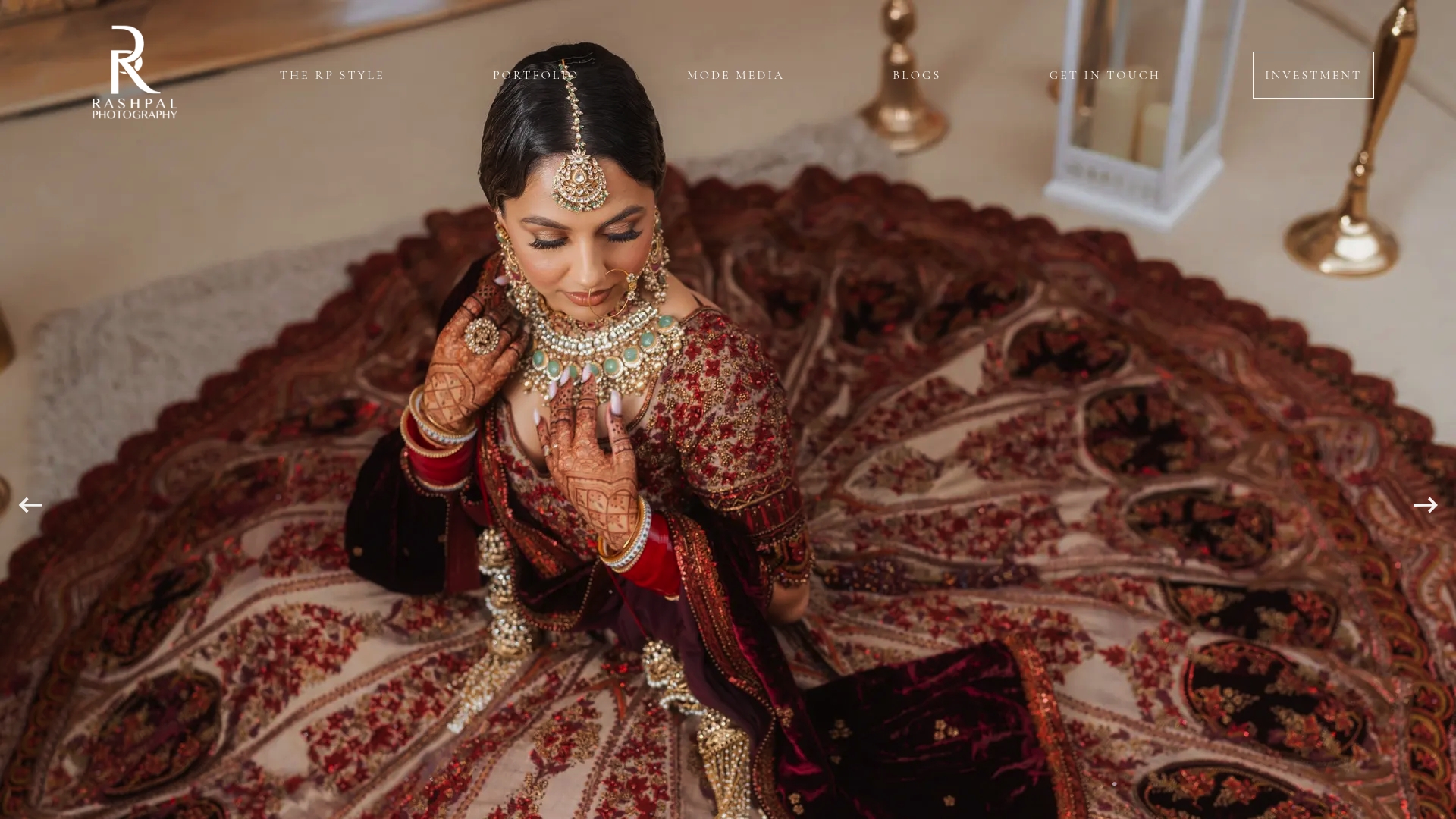
Whether you are drawn to the cinematic artistry of our editorial portraits or the warmth of our documentary storytelling, we invite you to explore our complete wedding portfolio and see the depth of work we bring to every celebration. For couples planning their first steps, our Essentials wedding package offers a beautifully considered entry point, and our full wedding photography pricing page provides clear, transparent detail on everything we offer. We would love to hear about your wedding and begin the conversation.
Frequently asked questions
How can we be sure our photographer understands our cultural traditions?
Ask specific, detailed questions during early consultations, review their portfolio for evidence of similar weddings, and request a conversation dedicated to the key rituals and moments you want carefully documented.
Should clients give feedback during the editing stage?
Couples and photographers should agree at the outset on whether and how previews and feedback are managed, since unsolicited input in post-production can conflict with the creative workflow and delay delivery.
How can we avoid misunderstandings about our images?
Drafting explicit agreements on image selection, preview access, and delivery timelines at the contract stage is the most effective way to prevent miscommunication and post-wedding disappointment.
What if we're camera shy?
Choosing a photographer who takes time to build genuine rapport and offers relaxed, natural guidance throughout the day can transform even the most camera-shy couple into subjects who appear completely at ease. Our tips for camera-shy couples offer a wonderful starting point for building your confidence before the big day.
Recommended
- Essentials Investment (12 hours) Rashpal Bhachu | Rp photography Wedding Photographer, Uxbridge, UK
- Silver Engagement Shoot Rashpal Bhachu | Engagement shoots Wedding Photographer, Uxbridge, UK
- Gold Engagement Shoot Rashpal Bhachu | Engagement shoots Wedding Photographer, Uxbridge, UK
- Classic Investment (14 Hours, 1 day, Engagement Shoot) Rashpal Bhachu | Rp photography Wedding Photographer, Uxbridge, UK