TL;DR:
- The ideal Indian bridal hairstyles in 2026 blend cultural symbolism with modern elegance, emphasizing structure and ease of wear. Specific styles, such as sleek buns, braided updos, and soft curls, are chosen to complement different wedding functions, outfits, and hair types. Proper planning, including a trial and accessory integration, ensures the hairstyle remains secure and photogenic throughout the entire celebration.
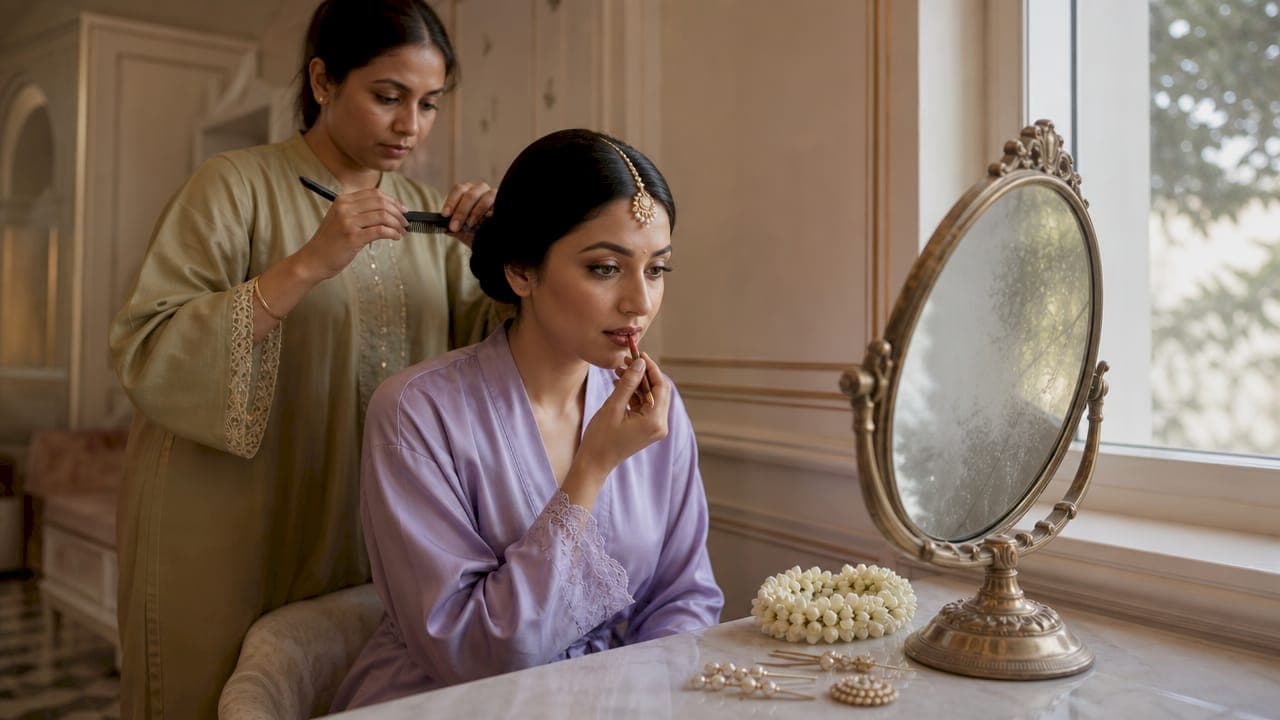
The finest hairstyles for Indian weddings are a deliberate fusion of cultural symbolism and contemporary artistry, designed to honour tradition while flattering the individual bride. From the gajra-adorned bun of a South Indian ceremony to the jewellery-framed braided updo of a Punjabi celebration, each style carries meaning as well as beauty. In 2026, the most sought-after bridal hairstyles for Indian weddings balance structural engineering with effortless elegance, complementing intricate lehengas, silk sarees, and statement jewellery with equal grace. Choosing the right look is one of the most personal and visually significant decisions of the entire wedding day.
Which hairstyles suit Indian wedding functions and attire?
Bridal hairstyles for Indian weddings fall into four broad categories, each suited to a specific function, outfit, and level of formality.
- Traditional updos and braided buns. The classic choice for main ceremonies such as the Anand Karaj or Hindu pheras. These styles sit high or low at the nape, providing a secure base for heavy maang tikkas, jhumkas, and gajra garlands. They complement high-necked blouses and heavily embroidered lehengas without competing for visual attention.
- Half-up, half-down styles. Half-up styles are the most requested look in 2026 for Indian weddings, offering the versatility to frame the face beautifully for photography while retaining the softness of flowing hair. They work particularly well for mehendi and sangeet functions, where the mood is celebratory rather than ceremonial.
- Open hair with curls or waves. Soft, textured open hair suits pre-wedding shoots, cocktail receptions, and civil ceremonies. Worn with fresh florals or delicate hair pins, this style feels modern and romantic without abandoning elegance.
- Braided crowns and side plaits. These styles bridge tradition and fashion, drawing on classical Indian bridal aesthetics while incorporating contemporary texture and placement. They suit both sarees and fusion lehenga gowns with equal confidence.
Coordinating your hairstyle with your lehenga silhouette and neckline is as important as the style itself. A heavily embellished blouse calls for a clean updo; a simpler silhouette can carry the drama of cascading curls.
Top 10 hairstyles for Indian weddings in 2026
The sleek centre-parted low bun
The sleek low bun with a precise centre parting is among the most popular bridal hairstyles in 2026, particularly when adorned with a maang tikka and pearl pins. Gajra-adorned buns remain the favoured choice for main ceremonies across over 100 trending variations. The clean geometry of the centre part draws attention directly to the face and jewellery, making it exceptionally photogenic.
The intricate braided updo with gajra
Woven jasmine or rose gajra threaded through a braided updo is one of the most culturally resonant looks in South and West Indian bridal traditions. The braid provides structural anchoring for heavy floral strands, and the fragrance adds a sensory dimension that photographs cannot capture but guests will always remember.
The messy braided bun fusion
Messy braided buns blend traditional influence with modern trends, making them ideal for sangeet nights and mehendi ceremonies. Loose tendrils frame the face softly, and the relaxed texture contrasts beautifully with structured jewellery such as a layered polki necklace or chandelier earrings.
Side-swept curls with traditional jewellery
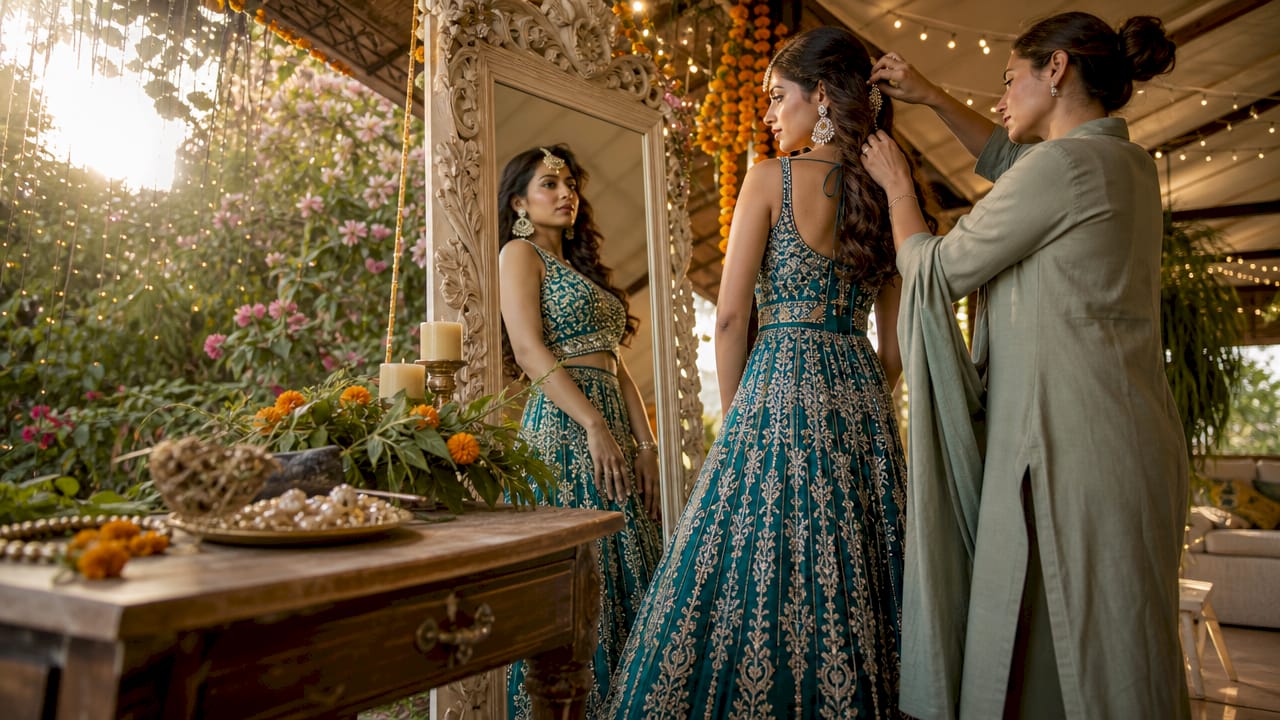
Sweeping voluminous curls to one side and securing them with a decorative pin or maang tikka creates a cinematic, regal silhouette. This look photographs exceptionally well in natural light and suits brides who want the drama of open hair with the polish of a styled arrangement.
Soft waterfall bridal curls
Loose, cascading curls worn fully open evoke a sense of effortless romance. The 2026 trend firmly favours soft, textural styles over stiff, heavily product-laden updos, and waterfall curls embody this direction perfectly. They suit lighter fabrics such as georgette sarees and fusion gowns.
The traditional gajra bun
A single, tightly coiled bun wrapped entirely in gajra is one of the oldest and most beloved hairstyles for marriage in Indian culture. It requires minimal additional jewellery because the flowers themselves are the adornment. This style holds beautifully through long ceremonies and carries deep cultural significance across multiple regional traditions.
Jewellery-framed hairstyles
Styling the hair specifically to showcase a statement piece, whether a passa, matha patti, or elaborate maang tikka, is a technique that requires collaboration between the stylist and the bride. The hair is shaped around the jewellery rather than the jewellery being added as an afterthought. The result is a cohesive, intentional look that reads as artistry rather than decoration.
Half-up braided crown
A braided crown that pulls the front sections back while leaving the rest of the hair loose or lightly curled is one of the latest hairstyles for weddings gaining traction in 2026. It suits both traditional and contemporary outfits and works particularly well for outdoor ceremonies where a full updo might feel too formal.
Open hair with fresh flower accents
Scattering fresh blooms, roses, marigolds, or baby orchids through open, lightly waved hair creates a look that feels both spontaneous and considered. This style suits pre-wedding photography sessions and lighter functions such as the haldi ceremony, where the overall aesthetic is joyful and unstructured.
The centre-part bun adorned with maang tikka
A low or mid-height bun with a bold maang tikka centred precisely on the parting is a timeless choice that suits almost every face shape. The maang tikka draws the eye upward and elongates the face, making it one of the best hair looks for Indian brides who want a classic, unfussy silhouette with maximum impact.
Pro Tip: Book a hair trial with your stylist 4 to 8 weeks before the wedding to test how your chosen style holds with your specific accessories and in the venue's climate conditions.
| Style | Best occasion |
|---|---|
| Sleek centre-parted low bun | Main ceremony, pheras, Anand Karaj |
| Messy braided bun | Sangeet, mehendi |
| Waterfall curls | Pre-wedding shoot, reception |
| Traditional gajra bun | Main ceremony, cultural rituals |
| Half-up braided crown | Outdoor ceremonies, civil weddings |
How hair type and length affect your bridal hairstyle choice
Hair type is the single most practical constraint in bridal hairstyling, and working with natural texture consistently produces more satisfying results than fighting it. A stylist who understands your hair's natural behaviour will create a look that lasts from morning rituals through to the evening reception.
- Fine or thin hair. Hair pads and clip-in extensions create the illusion of volume safely, allowing fine-haired brides to achieve elaborate traditional styles without excessive teasing or heat damage. Internal padding is particularly effective for achieving the full, rounded bun silhouette associated with classical Indian bridal looks.
- Thick or coarse hair. Thick hair holds braids and updos exceptionally well but can feel heavy in humid conditions. Lightweight setting products and strategic pinning reduce bulk without flattening the style.
- Naturally curly or wavy hair. Curly hair is an asset for waterfall styles and open-hair looks. Embracing the natural curl pattern rather than straightening it produces a more authentic and photogenic result.
- Short hair and bobs. Pixie cuts and bobs suit sleek, jewellery-forward looks where the focus shifts entirely to the face and accessories. A statement maang tikka or elaborate earrings become the centrepiece when hair volume is minimal.
Wedding hair involves structural engineering as much as aesthetics, with styles needing to stay secure from morning rituals through to evening receptions while supporting heavy jewellery and veils. Scheduling a hair trial one to two months before the wedding allows time to adjust the style, test accessory integration, and account for environmental factors such as humidity.
Pro Tip: Ask your stylist to use hidden base braids beneath your updo. This professional-grade anchoring technique prevents heavy maang tikkas and pins from pulling the style loose mid-ceremony.
Coordinating hairstyles with accessories and outfit details
The relationship between a hairstyle and its surrounding elements, the dupatta, the neckline, the jewellery, and the venue, determines whether the overall look feels cohesive or disjointed. Anchoring heavy jewellery with specialised techniques such as hidden base braids or strong pins is a professional necessity, not an optional refinement.
- Dupatta placement. A dupatta pinned to the crown requires a flat, secure base. A loose, draped dupatta suits a softer updo or half-up style that won't be disturbed by the fabric's movement.
- Neckline and hairstyle balance. A high-necked blouse or heavily embroidered collar calls for an updo that clears the neckline entirely. A deep or open back neckline is beautifully framed by open curls or a low bun.
- Face shape and framing. Oval faces carry almost any style with ease. Round faces benefit from height at the crown. Heart-shaped faces are flattered by styles with volume at the jaw, such as side-swept curls or a low side bun.
- Venue and climate. Outdoor summer ceremonies in humid conditions demand styles with strong structural foundations. Indoor air-conditioned venues allow for softer, more delicate arrangements.
Collaborating with your photographer early in the planning process ensures your hairstyle is considered in the context of how it will be captured on camera. Understanding what's expected at an Indian wedding in terms of rituals and movement helps both stylist and photographer anticipate the demands placed on the look throughout the day.
Key takeaways
The most successful Indian wedding hairstyles are chosen by matching cultural tradition, hair texture, accessory weight, and occasion, not by replicating a photograph.
| Point | Details |
|---|---|
| Match style to occasion | Formal ceremonies suit sleek updos; sangeet and mehendi suit softer, textured styles. |
| Work with your hair texture | Styles compatible with natural texture last longer and photograph more authentically. |
| Plan accessory anchoring | Hidden base braids and strong pins prevent heavy jewellery from collapsing the style. |
| Book a trial 4 to 8 weeks ahead | Trials test style durability, accessory fit, and compatibility with venue conditions. |
| Coordinate with your photographer | Early collaboration ensures your hairstyle reads beautifully in both portraits and candid shots. |
What I have learned photographing Indian bridal hairstyles
After years of photographing Asian weddings across London and beyond, I have come to believe that the brides who look most extraordinary in their portraits are rarely those who chose the most elaborate hairstyle. They are the ones who chose the most considered one.
The 2026 shift toward softer, more textural styles reflects something I have observed on the ground for years: heavily lacquered, rigid updos photograph beautifully in studio conditions but can look stiff and dated in the warm, dynamic light of a real ceremony. A slightly undone braided bun or a gently waved half-up style moves with the bride. It catches light differently as she turns. It feels alive in a photograph rather than constructed.
My practical advice is this: bring your actual jewellery to your hair trial, not photographs of it. The weight and scale of a real passa or matha patti changes everything about how a style needs to be anchored. A stylist working with the physical piece will build a foundation that holds. One working from a picture may not. The brides whose hair I have seen hold beautifully from the morning Anand Karaj through to the evening reception have almost always had a stylist who treated the hairstyle as an engineering project first and an aesthetic one second.
— Rashpal
Capture every detail with Rashpal Photography
A beautifully styled bridal hairstyle deserves to be captured with the same artistry and intention that went into creating it. At Rashpal-photography, every portrait is composed to honour the intricate details of the bride's look, from the delicate curve of a gajra braid to the precise placement of a maang tikka. The way hairstyle choices affect photography is something we consider from the very first consultation.
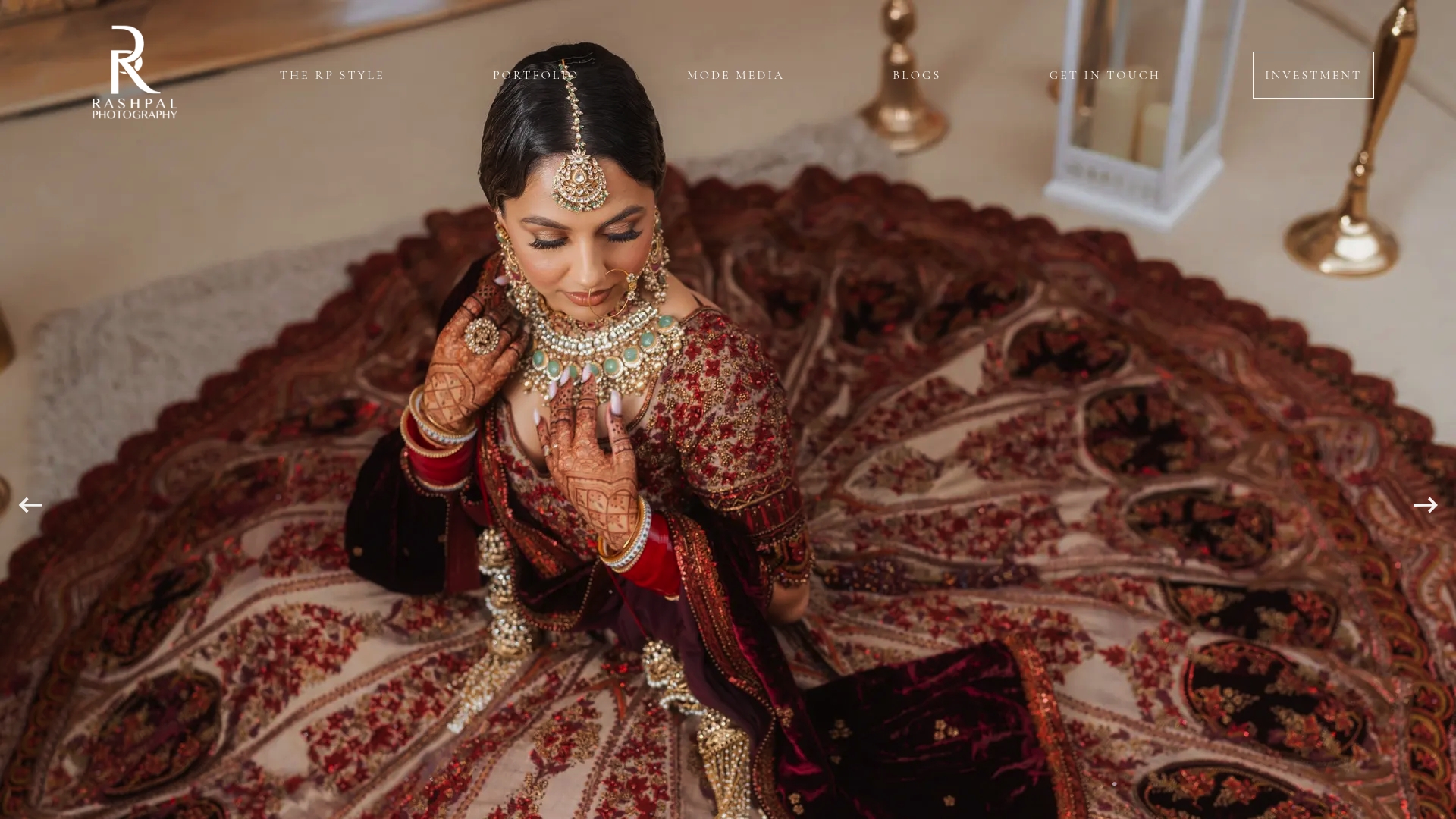
Whether you are planning an intimate ceremony or a grand multi-day celebration, our Classic Investment package covers 14 hours across your wedding day, ensuring every styled moment, every ritual, and every portrait is documented with cinematic precision. Explore our full range of wedding photography services and begin planning your timeless wedding story with Rashpal-photography.
FAQ
What are the most popular hairstyles for Indian weddings in 2026?
The sleek centre-parted low bun with a maang tikka and the half-up braided crown are among the most requested styles in 2026. Gajra-adorned buns remain the favoured choice for main ceremonies across a wide range of regional traditions.
How do I choose a hairstyle that suits my hair type?
Expert stylists recommend working with your natural texture rather than against it, as this produces more durable and photogenic results. Fine hair benefits from internal padding and clip-in extensions, while curly hair suits open or half-up styles that showcase its natural movement.
When should I book a hair trial before my wedding?
Book your hair trial 4 to 8 weeks before the wedding to allow time for adjustments. Bring your actual jewellery and veil to the trial so the stylist can build the correct structural foundation for your accessories.
Can short hair work for traditional Indian bridal hairstyles?
Short hair and bobs suit jewellery-forward looks where a bold maang tikka or statement earrings become the focal point. A skilled stylist can incorporate clip-in extensions to add length or volume for more elaborate traditional styles if desired.
How do I stop my hairstyle from collapsing during a long ceremony?
Hidden base braids and professional-grade pins provide the structural anchoring needed to support heavy jewellery through long ceremonies. Discuss this technique explicitly with your stylist during the trial, and test the style for at least three to four hours before confirming the final look.
Recommended
- The Evolution Of Asian Wedding Dresses Rashpal Photography | Wedding Photographer Uxbridge, UK
- 6 Ways To Arrive At Your Asian Wedding In Style! Rashpal Photography | Wedding Photographer Uxbridge, UK
- Top Asian Wedding Photography: Behind the Scenes Rashpal Photography | Wedding Photographer Uxbridge, UK
- The Most Expensive Asian Wedding Dresses Rashpal Photography | Wedding Photographer Uxbridge, UK