TL;DR:
- Documentary photography captures real moments without staging, emphasizing authenticity and emotional connection. Traditional photography employs deliberate control of lighting and composition to produce refined, idealized images. Many modern projects benefit from blending both styles to balance genuine storytelling with formal artistry.
Documentary photography is defined as the practice of capturing real events and human experiences without staging, manipulation, or retakes, whilst traditional photography deliberately arranges subjects, controls lighting, and directs composition to achieve a refined, idealised image. Understanding what is documentary vs traditional photography matters enormously for any aspiring photographer, because the choice of style shapes not only your technique but your entire creative philosophy. Sebastião Salgado's multi-year projects, such as Sahel, stand as the gold standard of documentary work, whilst the controlled elegance of Gelatin Silver Prints represents the pinnacle of traditional craft. Both traditions demand genuine mastery, and knowing the differences between photography types is the foundation of developing your own artistic voice.
What is documentary vs traditional photography?
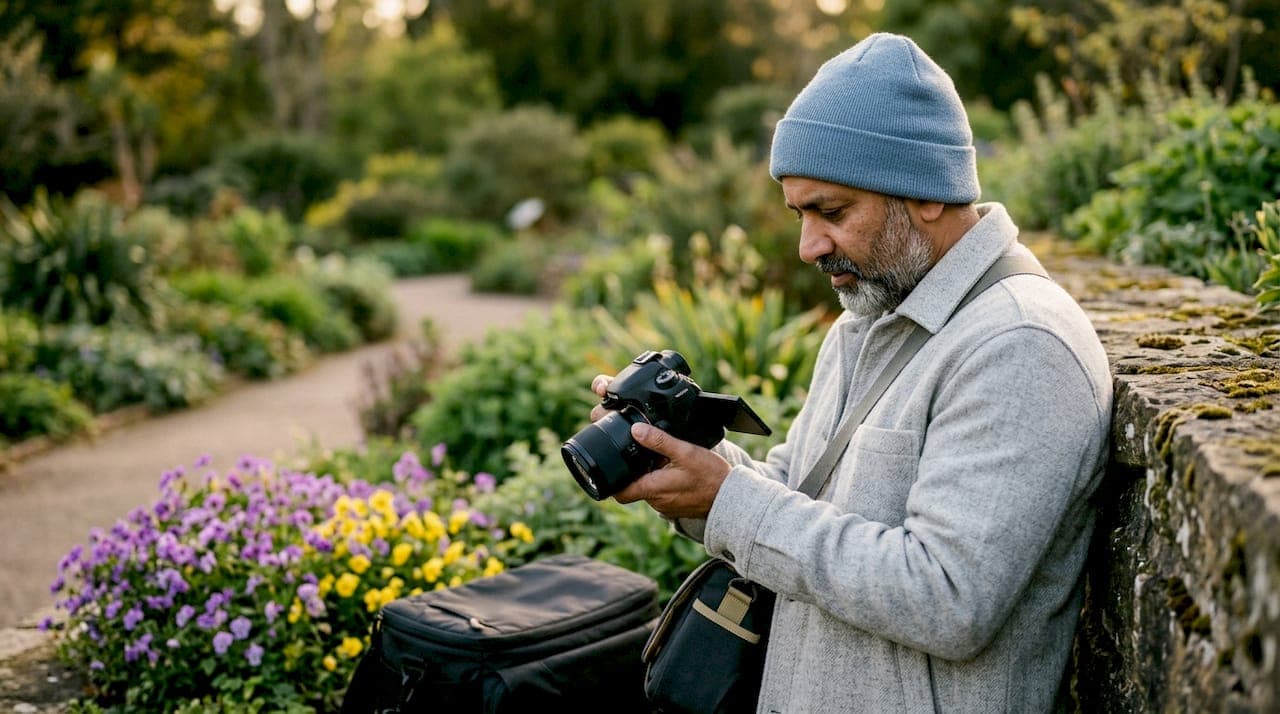
Documentary photography commits to truthful, candid representation. Staging is strictly prohibited, as is moving objects or requesting retakes, because the moment a photographer intervenes to improve a scene, the documentary contract with the viewer is broken. This ethical commitment is what gives documentary images their emotional authority and social weight.
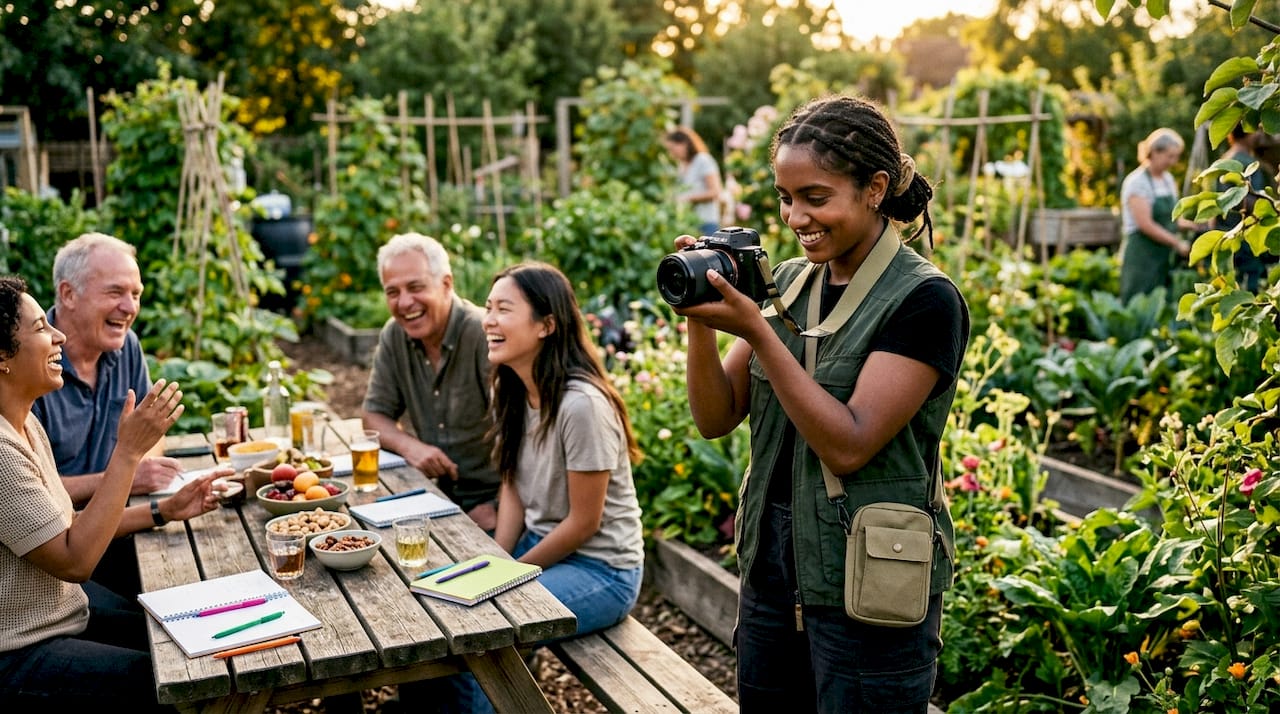
Traditional photography, by contrast, embraces deliberate control as its defining virtue. The photographer directs subjects, arranges light sources, selects backdrops, and retakes frames until the composition achieves the desired aesthetic. This is not dishonesty; it is a different artistic intention entirely, one focused on crafting beauty rather than recording truth.
The distinction also shapes how each style is used professionally. Documentary work appears in social advocacy, long-form journalism, and cultural storytelling. Traditional photography dominates commercial portraiture, fine art printing, and editorial fashion. Recognising which mode serves your creative purpose is the first decision every photographer must make before picking up a camera.
"Documentary photography's power derives from honest representation, forming emotional connections and a sense of social responsibility for viewers." — Photography Icon
How do ethics shape each photography style?
The ethical frameworks governing documentary and traditional photography are not merely guidelines; they are the philosophical bedrock of each practice. Documentary ethics prohibit staging to preserve authenticity and maintain viewer trust, a standard enforced by professional bodies such as the National Press Photographers Association (NPPA). Violating these standards, even subtly, can destroy a photographer's credibility permanently.
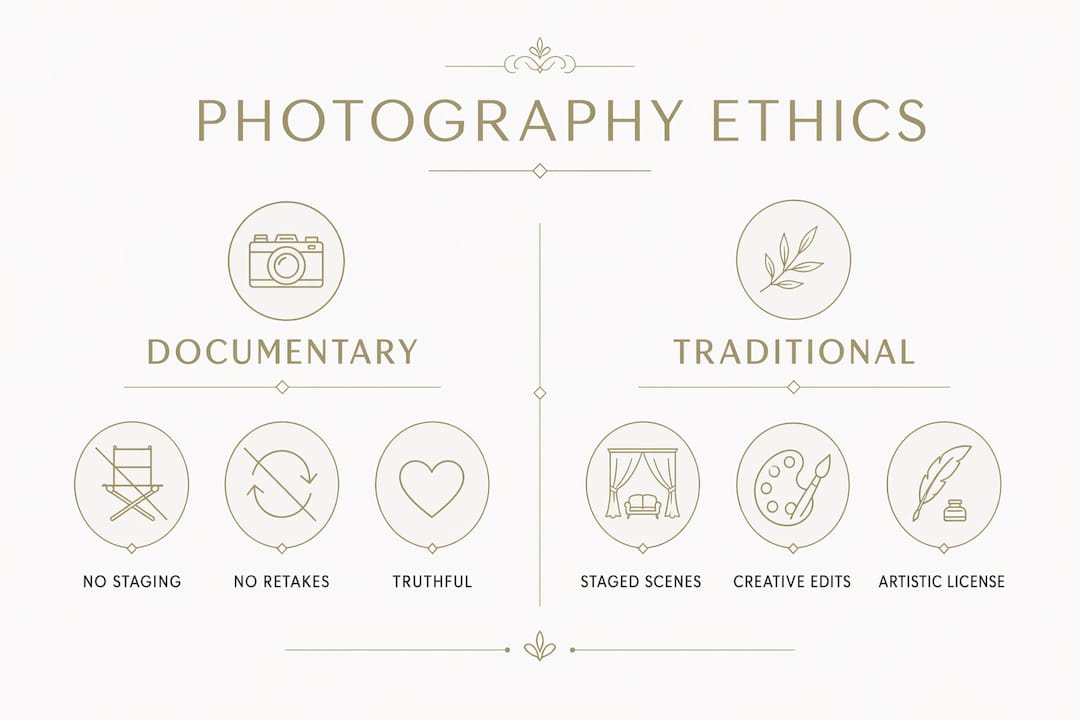
Traditional photography operates under an entirely different ethical model. Staging, retouching, and subject direction are not only permitted but expected. A commercial portrait photographer who did not direct their subject would be considered unprofessional. The ethical obligation in traditional work is to the client's vision and the aesthetic standard agreed upon, rather than to unmediated reality.
These contrasting ethics produce measurably different outcomes for audience trust:
- Documentary images carry an implicit promise: what you see actually happened, exactly as depicted.
- Traditional images carry a different promise: what you see represents the best possible version of the subject or scene.
- Hybrid approaches, increasingly common in wedding photography, must communicate clearly which promise applies to which images.
- Documentary photography is more interpretive than photojournalism, allowing for advocacy and social commentary whilst still prohibiting outright fabrication.
The NPPA's code of ethics, for instance, explicitly forbids altering the content of a news photograph in any way that could mislead the viewer. This standard does not apply to a fine art portrait photographer, who may retouch extensively. Understanding where your work sits on this ethical spectrum is not an abstract exercise. It determines how you present your portfolio, how you communicate with clients, and how you position yourself within the broader photographic community.
How do technical skills differ between the two styles?
The technical demands of documentary and traditional photography diverge sharply, and both are more rigorous than beginners typically expect. Documentary photography requires anticipatory observation and high technical proficiency to capture decisive moments without the safety net of retakes. You must pre-visualise the shot, set your exposure correctly, and be in the right position before the moment unfolds, because it will not repeat itself.
Traditional photography demands a different but equally demanding skill set. Mastery of manual metering, controlled artificial lighting, and precise focus are non-negotiable. The discipline of film photography, where a standard roll offered only 36 exposures, forced photographers to compose with extraordinary care. That constraint produced stronger, more considered images than the digital habit of shooting hundreds of frames and selecting the best.
- Pre-visualisation. Documentary photographers must anticipate where the light will fall and where the subject will move, often seconds before the moment arrives.
- Exposure mastery. Traditional photographers must achieve correct exposure on the first attempt in a controlled environment, with no excuse for technical error.
- Compositional discipline. Film-based traditional work enforces this through scarcity; documentary work enforces it through the impossibility of a second chance.
- Workflow management. Documentary projects often span six to twenty-four months of immersive fieldwork, whilst traditional commercial shoots are typically completed within a single day.
- Post-processing philosophy. Documentary editing is limited to tonal adjustments; traditional editing may include compositing, extensive retouching, and colour grading.
Pro Tip: If you are new to documentary photography, practise in environments where action repeats naturally, such as markets, ceremonies, or sports events. This trains your anticipatory instincts without the pressure of a truly unrepeatable moment.
Traditional photography also develops mastery of light and manual metering that transfers directly to every other photographic discipline. Many of the world's finest documentary photographers trained first in traditional darkroom techniques, and that foundation is visible in the quality of their tonal control and compositional rigour.
What projects suit documentary vs traditional photography?
Choosing the right photographic approach for a given project is a creative and strategic decision. The following comparison illustrates where each style excels and where hybrid approaches have emerged as the most practical solution.
| Project type | Documentary approach | Traditional approach |
|---|---|---|
| Social advocacy campaigns | Ideal: candid, emotionally resonant | Less effective: staged images feel contrived |
| Commercial portraiture | Rarely appropriate | Ideal: controlled, polished, client-directed |
| Wedding coverage | Captures authentic emotion and spontaneous moments | Provides formal group shots and portraits |
| Fine art prints | Possible but unconventional | Ideal: Gelatin Silver Prints and archival processes |
| Long-form cultural storytelling | Ideal: immersive, multi-month projects | Rarely appropriate |
| Engagement photography | Growing use of hybrid style | Traditional portraits remain popular |
The most significant development in contemporary photography practice is the rise of the hybrid model. Couples increasingly choose hybrid packages combining seventy to eighty per cent documentary coverage with twenty to thirty per cent traditional portraits. This addresses a genuine creative tension: pure documentary misses the formal group shots that families expect, whilst purely traditional coverage can feel too staged for modern tastes.
Photographers working in cultural and Asian wedding contexts, in particular, find the hybrid model indispensable. A Sikh wedding ceremony, for instance, contains moments of profound spiritual significance that must be captured candidly, alongside formal family portraits that carry deep cultural importance. Neither style alone serves the full creative and emotional brief.
- Documentary coverage excels during ceremonies, receptions, and candid family moments.
- Traditional portraiture delivers the formal shots that become heirloom images.
- The hybrid approach requires the photographer to shift fluidly between both modes, which demands genuine mastery of each.
How do aesthetics differ for viewers and creators?
The aesthetic experience of documentary and traditional photography is distinct for both the person behind the lens and the person viewing the final image. Documentary images carry a raw, immediate visual quality. Grain, imperfect framing, and available light are not flaws; they are evidence of authenticity. This aesthetic signals to the viewer that what they are seeing is real, and that signal generates a particular kind of emotional engagement, one rooted in empathy and recognition rather than admiration.
Traditional photography produces a crafted, timeless aesthetic that invites a different emotional response. The rich tonal range of Gelatin Silver Prints remains a benchmark for classical photographic beauty, producing archival quality that digital filters cannot replicate. Viewers respond to this aesthetic with admiration and a sense of idealised beauty, the feeling that the subject has been honoured and elevated by the photographer's craft.
"Traditional photography is not outdated but provides vital technical foundations, artistic depth, and intentionality that influence all photographic work." — Ganesh Digital Studio
For the creator, the experiential difference is equally profound. Documentary photography offers the satisfaction of spontaneity, the electric feeling of capturing a moment that will never recur. Traditional photography offers the satisfaction of deliberate craftsmanship, the pleasure of building an image precisely as you envisioned it. Neither experience is superior; they are simply different creative rewards.
Pro Tip: Study the work of Sebastião Salgado for documentary mastery and the Gelatin Silver Print tradition for classical technique. Exposure to both aesthetics will sharpen your eye regardless of which style you ultimately pursue.
The viewer's perception of authenticity also shifts depending on context. A documentary image presented in a gallery carries the weight of social testimony. A traditional portrait presented in the same space is understood as artistic interpretation. Both are valid, but the photographer must be conscious of which promise they are making to their audience.
Key takeaways
Documentary and traditional photography are not competing philosophies but complementary disciplines, and the most accomplished photographers draw from both traditions to serve their creative vision.
| Point | Details |
|---|---|
| Core distinction | Documentary prohibits staging to preserve truth; traditional embraces staging to achieve idealised aesthetics. |
| Ethical frameworks | NPPA standards govern documentary ethics; traditional photography's obligation is to the client's vision and agreed aesthetic. |
| Technical demands | Both styles require genuine mastery: documentary demands anticipation, traditional demands controlled precision. |
| Practical applications | Hybrid packages combining seventy to eighty per cent documentary with twenty to thirty per cent traditional portraits are the modern standard for weddings. |
| Aesthetic impact | Documentary evokes empathy through rawness; traditional evokes admiration through crafted beauty. |
My perspective on blending both traditions
After years of photographing Asian weddings and cultural ceremonies, I have come to believe that the most limiting thing a photographer can do is commit entirely to one style and dismiss the other. The photographers who produce truly extraordinary work are those who have mastered traditional technique and then chosen, consciously, when to set that control aside and simply observe.
Traditional training taught me how light behaves, how to read a scene before I enter it, and how to compose with intention rather than accident. Without that foundation, my documentary work would be technically inconsistent. The discipline of scarcity that film photography enforces, thinking carefully before every frame, is something I now apply mentally even when shooting digitally.
What I find most rewarding about documentary coverage at weddings is the moments that no amount of direction could produce: a grandmother's expression during the ceremony, the quiet exchange between a couple before they enter the reception. These images carry a weight that no posed portrait can match. But I also know that the formal family portrait, composed and lit with care, is the image that will hang on a wall for thirty years.
The honest truth is that clients rarely want one or the other. They want both, and they want a photographer who can move between the two without breaking the emotional thread of the day. That is the real skill, and it is one that only comes from genuinely respecting both traditions rather than treating one as superior.
— Rashpal
Capture your story with Rashpal-photography
Rashpal-photography specialises in exactly this balance: cinematic documentary coverage woven together with refined traditional portraiture, creating a complete visual narrative of your wedding day.
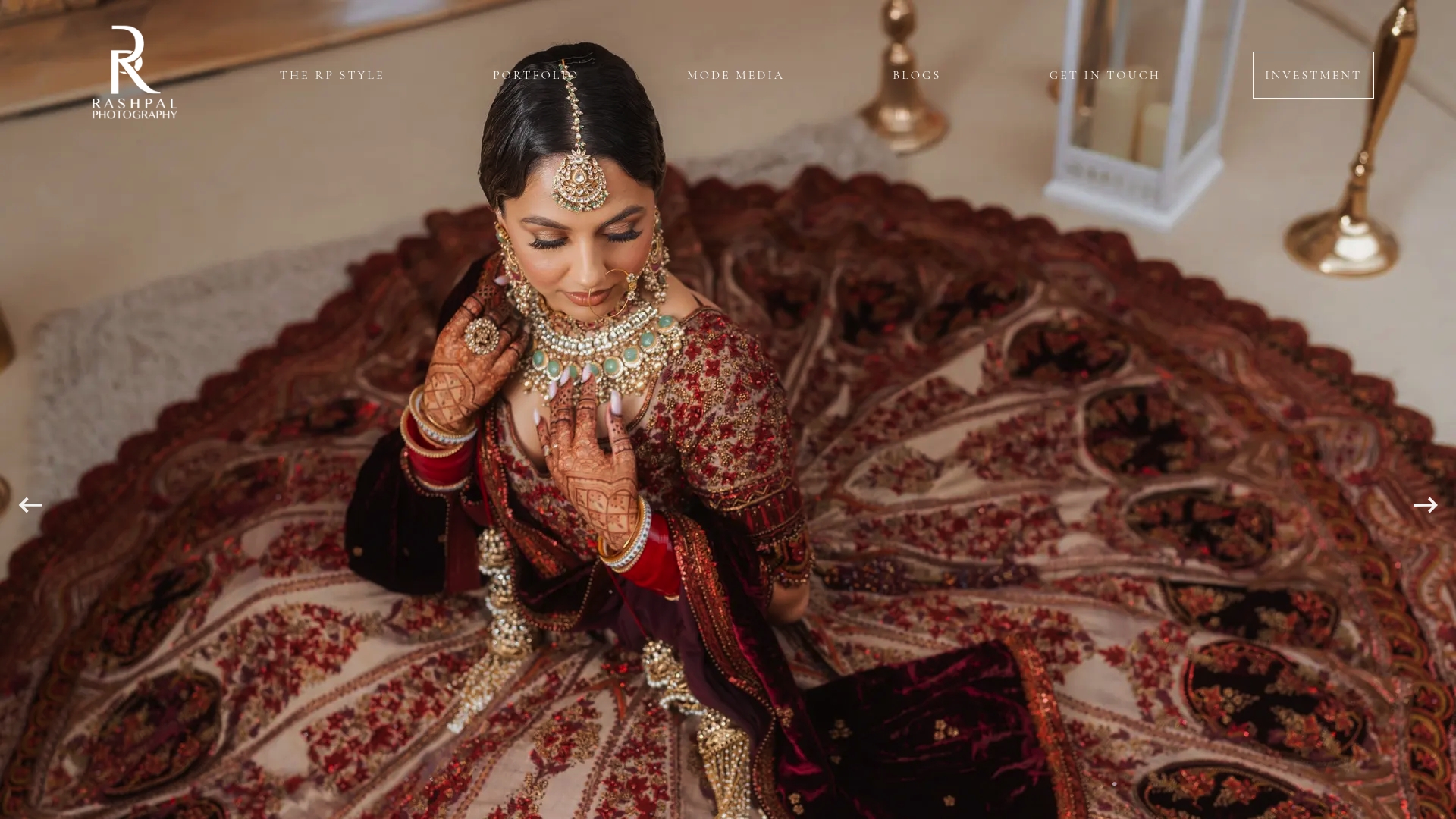
The Essentials Investment package offers twelve hours of coverage, combining candid documentary storytelling with formal portrait sessions to produce a gallery that is both emotionally authentic and timelessly beautiful. For couples seeking extended coverage with an engagement shoot included, the Classic Investment package provides fourteen hours across your full wedding day. Both packages are designed for couples who understand that the most meaningful wedding images are those that capture real emotion alongside the formal portraits that become family heirlooms. Explore the full range of wedding photography services to find the approach that reflects your vision.
FAQ
What is the main difference between documentary and traditional photography?
Documentary photography captures real moments without staging or retakes, prioritising truthful representation. Traditional photography uses directed subjects, controlled lighting, and retakes to achieve a refined, idealised aesthetic.
Can documentary and traditional photography be combined?
Yes. Hybrid packages combining seventy to eighty per cent documentary coverage with twenty to thirty per cent traditional portraits are increasingly the standard for modern wedding photography, addressing both authenticity and formal portrait requirements.
Is documentary photography harder than traditional photography?
Both styles demand genuine technical mastery but in different ways. Documentary photography requires anticipatory observation and split-second technical decisions, whilst traditional photography demands precise control of lighting, metering, and composition in a staged environment.
What ethical rules govern documentary photography?
Documentary photography prohibits staging, moving objects, or requesting retakes to preserve authenticity. Professional bodies such as the NPPA enforce these standards, and violating them undermines viewer trust and professional credibility.
What is the aesthetic difference between the two styles?
Documentary images carry a raw, immediate quality that evokes empathy and authenticity. Traditional photography produces a crafted, timeless aesthetic, exemplified by processes such as Gelatin Silver Prints, that invites admiration and a sense of idealised beauty.