TL;DR:
- Contemporary wedding photography blends documentary storytelling with refined editorial portraiture.
- It emphasizes natural moments, expert lighting, and cultural sensitivity to showcase unique rituals.
- Choosing a photographer involves reviewing complete galleries, assessing cultural experience, and verifying versatility.
Many couples assume wedding photography sits at one of two extremes: formally posed portraits that feel stiff and rehearsed, or purely candid snapshots that lack polish and intention. Neither stereotype captures what is truly possible. Contemporary wedding photography occupies a far more exciting and nuanced space, one where artistic storytelling meets refined guidance, and where your cultural heritage is woven into every frame with genuine respect and creative vision. Whether you are planning a multi-day Sikh ceremony, a vibrant Hindu celebration, or an intimate Nikah, this guide will show you exactly what to expect, what to ask, and how to find a photographer worthy of your story.
Table of Contents
- Defining contemporary wedding photography
- Core techniques and artistic choices
- Respecting Asian cultural traditions and storytelling
- Choosing your photographer: what to look for
- What most guides miss about contemporary wedding photography
- See the difference: contemporary wedding photography for your story
- Frequently asked questions
Key Takeaways
| Point | Details |
|---|---|
| Defined by creativity | Contemporary wedding photography fuses documentary realism with editorial polish for standout memories. |
| Technique matters | Professional results come from advanced lighting, inventive posing, and strong composition. |
| Cultural storytelling | Skilled photographers blend respect for Asian traditions with modern artistry and narrative. |
| Choosing wisely | Portfolio diversity, cultural expertise, and genuine storytelling should guide your photographer selection. |
Defining contemporary wedding photography
With the misconceptions clarified, let's define exactly what contemporary wedding photography means, and how it sets itself apart from everything else.
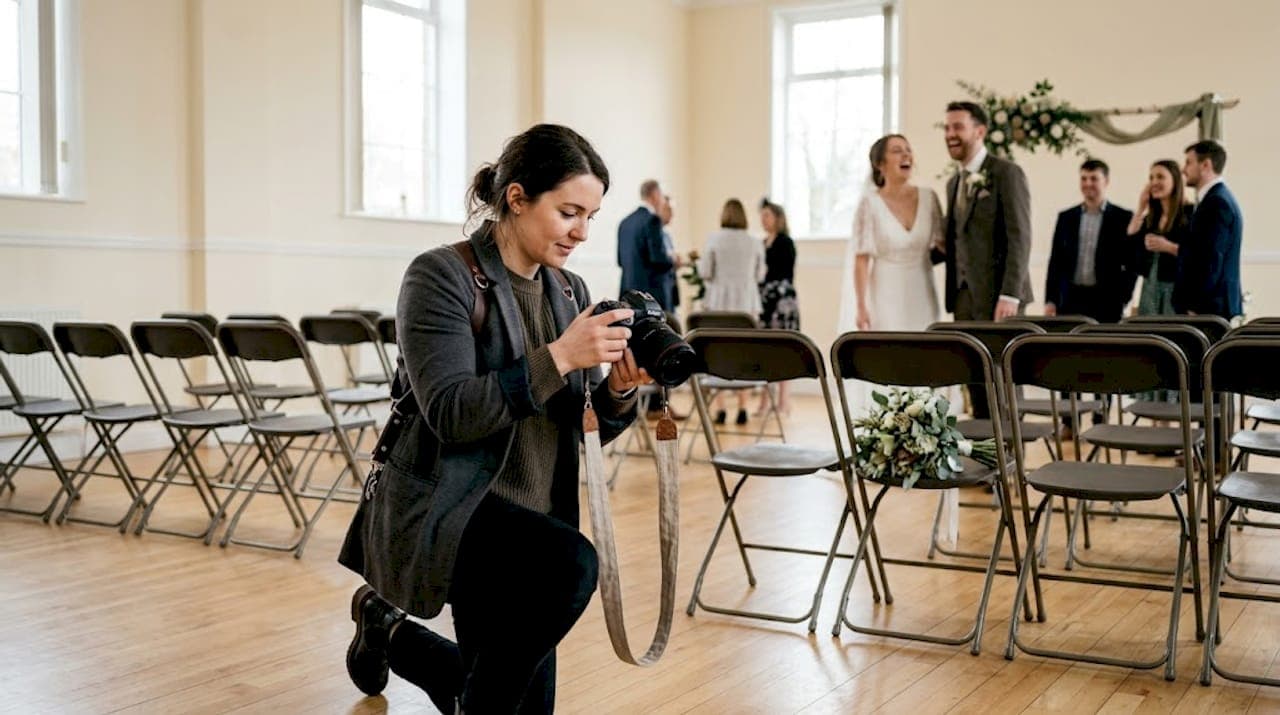
At its heart, contemporary wedding photography is a fusion of two powerful traditions: documentary storytelling and editorial portraiture. It is neither the rigid, line-everyone-up approach of classical wedding photography, nor the entirely hands-off style of pure photojournalism. Instead, it occupies a considered middle ground that photographers often call refined reality. You experience genuine moments, real laughter, authentic tears, and the photographer shapes those moments with subtle guidance to ensure they are also visually breathtaking.
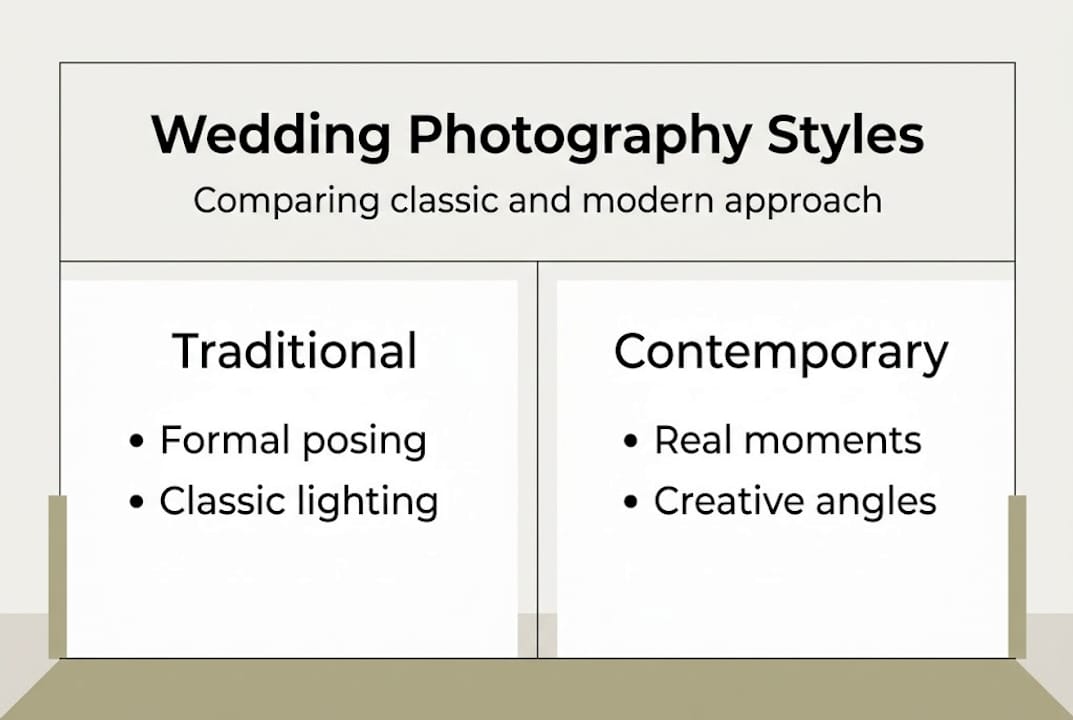
A useful way to understand the distinction is to look at the comparison of wedding photography styles side by side:
| Feature | Traditional photography | Contemporary photography |
|---|---|---|
| Posing | Formal, stiff, pre-set | Guided, natural, flattering |
| Lighting | On-camera flash, uniform | Off-camera flash, natural light, Rembrandt lighting |
| Composition | Centred, symmetrical | Rule of thirds, leading lines, layered depth |
| Mood | Formal, documented | Cinematic, emotive, editorial |
| Storytelling | Groups and key moments | Full narrative arc of the day |
The key methodologies include creative posing, advanced lighting techniques such as off-camera flash and Rembrandt lighting, and composition principles including the rule of thirds and leading lines, all balanced between documentary storytelling and editorial polish. This is not a single trick or filter applied in post-production. It is a complete creative philosophy.
What makes this style so compelling for modern British-Asian couples is precisely what it refuses to do. It refuses to flatten your wedding into a series of obligatory group photographs. It refuses to ignore the quiet, sacred moments between ceremonies. And it refuses to sacrifice artistry for convenience. As the definitive guide to modern wedding photography notes, contemporary photography offers refined reality, elevating genuine moments through expert guidance without stiffness.
You can browse examples of engagement shoots to see how this philosophy translates into real images before your wedding day even arrives.
The best contemporary wedding photographs feel as though they happened naturally, yet every element within the frame tells a deliberate, beautiful story.
Core techniques and artistic choices
Now that you know what defines the style, let's look at the creative and technical methods photographers use to deliver these results.
The foundation of contemporary wedding photography rests on three pillars: lighting, posing, and composition. Each pillar supports the others, and a skilled photographer works across all three simultaneously, often in rapidly changing environments.
Lighting is perhaps the most transformative tool available. Off-camera flash allows the photographer to sculpt light independently of the camera position, creating dramatic separation between subject and background. Rembrandt lighting, named after the painter, uses a small triangle of light on the cheek to produce portraits that feel classical yet intimate. Natural golden hour light, the soft warm glow in the final hour before sunset, is prized for its ability to make skin radiate and backgrounds blur into painterly warmth.
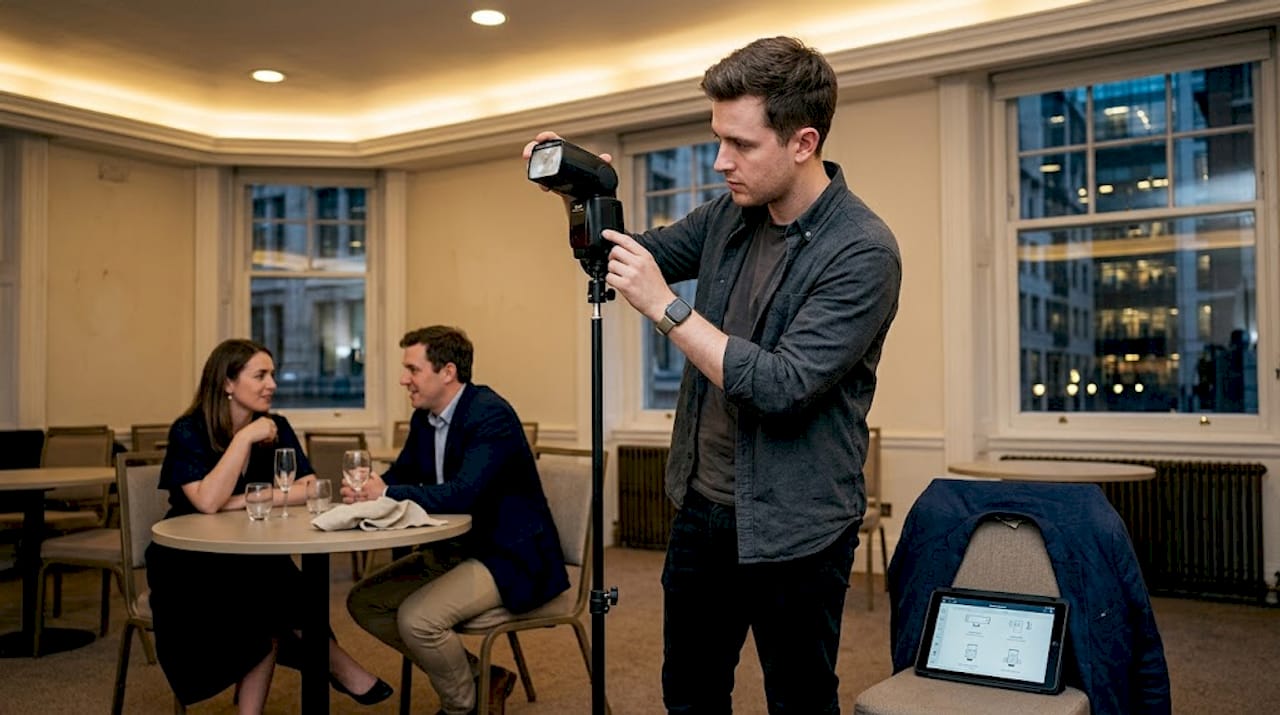
Posing in contemporary photography is deliberately invisible. The aim is never to make you look posed. A photographer might ask you to walk slowly, to lean your foreheads together, or to whisper something to your partner. These small, natural actions produce images that feel spontaneous yet are precisely framed. You can explore the photographer's approach examples to understand how this works across different coverage lengths.
Composition brings it all together. The rule of thirds places your faces at visually powerful intersections rather than dead centre. Leading lines, created by architecture, pathways, or even a flowing dupatta, draw the viewer's eye directly to you. Layered depth, placing meaningful elements in both foreground and background, gives photographs a cinematic, three-dimensional quality.
Key creative techniques you should expect from a contemporary wedding photographer:
- Off-camera flash and Rembrandt lighting for mood and separation
- Golden hour portraits for warmth and timeless quality
- Documentary coverage during ceremonies and candid family moments
- Guided posing that feels relaxed and natural on camera
- Compositional storytelling using architecture, light, and texture
For longer celebrations requiring extended artistic coverage, options for extended shoots across two days ensure nothing significant goes undocumented.
Pro Tip: If your venue has challenging lighting, such as a dark Gurdwara interior or a marquee with mixed artificial sources, ask your photographer specifically how they handle low-light environments. The answer will reveal their true level of technical expertise. You can also find broader wedding photography tips to help you prepare the right questions.
Respecting Asian cultural traditions and storytelling
Beyond creative technique, the best contemporary photographers also deeply respect and capture unique cultural traditions.
For British-Asian couples, the wedding is rarely a single event. It is a sequence of rituals, each carrying profound meaning, each deserving to be documented with care and intention. A skilled contemporary photographer approaches these ceremonies not as a checklist of moments to tick off, but as chapters in an unfolding story.
Consider the range of key moments that deserve thoughtful coverage:
- Milni: The formal exchange of garlands between families, rich with emotion and ceremony
- Anand Karaj: The sacred Sikh wedding ceremony, often conducted in soft interior light requiring advanced exposure management
- Mehendi: Intricate henna patterns, close-up detail shots, and the joyful atmosphere of women gathered together
- Baraat: The groom's arrival procession, full of vibrant colour, movement, and musical energy
- Vidaai: The emotional farewell of the bride, requiring sensitivity and the ability to work unobtrusively
A typical UK Asian wedding schedule, from a photographic perspective, might unfold as follows:
| Time of day | Ceremony or event | Photographic focus |
|---|---|---|
| Morning | Bridal preparations | Detail, emotion, portraiture |
| Late morning | Baraat or Milni | Documentary, wide and candid |
| Midday | Main ceremony | Ritual close-ups, ambient light |
| Afternoon | Family portraits | Guided, contemporary group shots |
| Golden hour | Couple portraits | Editorial, cinematic, artistic |
| Evening | Reception and celebrations | Candid, atmosphere, dancing |
As expert guidance confirms, avoiding stiff poses in guided shots and using hybrid approaches for edge cases such as low-light venues or large groups is essential to producing cohesive, beautiful results across such a varied day.
For couples who want every chapter captured with artistry, full-day wedding coverage ensures the entire narrative is preserved.
Pro Tip: Before your wedding, share a written list of your family's most important cultural moments with your photographer. Include who the key family members are and which rituals carry the greatest significance. This preparation makes an enormous difference to the final album.
Choosing your photographer: what to look for
If you want your wedding beautifully documented, here's what to look for when selecting your photographer.
The search for the right photographer can feel overwhelming, particularly when every website promises artistry and authenticity. Here is a practical, numbered approach to making a confident decision:
- Review full wedding stories, not just highlights. A curated gallery of twenty stunning images tells you far less than a complete set of two hundred. Look for consistency of quality throughout the entire day.
- Assess cultural knowledge. Does the portfolio include genuine documentation of Asian ceremonies, rituals, and family dynamics? Or does it focus entirely on couple portraits?
- Evaluate compositional variety. Look for a mix of wide establishing shots, intimate close-ups, candid moments, and guided portraits. Variety indicates versatility.
- Read real testimonials from similar weddings. Couples who have had comparable celebrations will give you the most relevant insight into working with a particular photographer.
Red flags to watch for:
- Portfolios filled exclusively with styled shoots rather than real weddings
- No documentation of cultural ceremonies or family rituals
- Overly similar compositions across the entire portfolio, suggesting a rigid, one-size approach
- Vague answers when you ask specific questions about their process
Browse the photography portfolio examples and engagement shoot portfolios to understand what genuine consistency looks like across different wedding styles.
The high-end UK market, where investment typically exceeds £3,000, demands exactly this fusion of technical skill and cultural sensitivity. Budget is a real consideration, but it is worth understanding that the photographs are the one element of your wedding day you will return to for the rest of your lives.
Pro Tip: Ask your photographer to show you a full wedding story from a similar cultural celebration to yours. Their willingness to share this, and the quality of what they show you, will tell you everything you need to know.
What most guides miss about contemporary wedding photography
Now that you know what to look for, here is an honest perspective you will not find in most wedding guides.
The photography industry loves labels. Contemporary, editorial, documentary, fine art. These categories are useful shorthand, but they can mislead couples into choosing a photographer based on a style label rather than a genuine connection and a deep adaptability to their specific family's needs.
The truth is, the very best wedding photographers do not think in style labels. They think in families. They think about the grandmother who cannot stand for long, the uncle who will not sit still, the bride who is nervous in front of cameras, and the groom who lights up when he laughs. They adapt instinctively. No amount of technical brilliance compensates for a photographer who cannot read a room.
Viewpoints within the industry differ: some couples prefer pure documentary for its raw authenticity, while others value the polish of contemporary photography for heirloom-quality albums. Both perspectives are valid. But what unites the most treasured wedding albums is not a particular style. It is the sense that someone genuinely cared about the people in every frame. Choose a photographer for their empathy and adaptability first, and their technical mastery second.
See the difference: contemporary wedding photography for your story
Ready to see what contemporary wedding photography can mean for your special day?
At Rashpal Photography, we have spent years refining our approach to capturing Asian weddings with the artistry, cultural sensitivity, and cinematic quality they deserve. Our galleries feature real wedding stories, not curated styled shoots, so you can see exactly how we document every ritual, every portrait, and every quiet, precious moment.
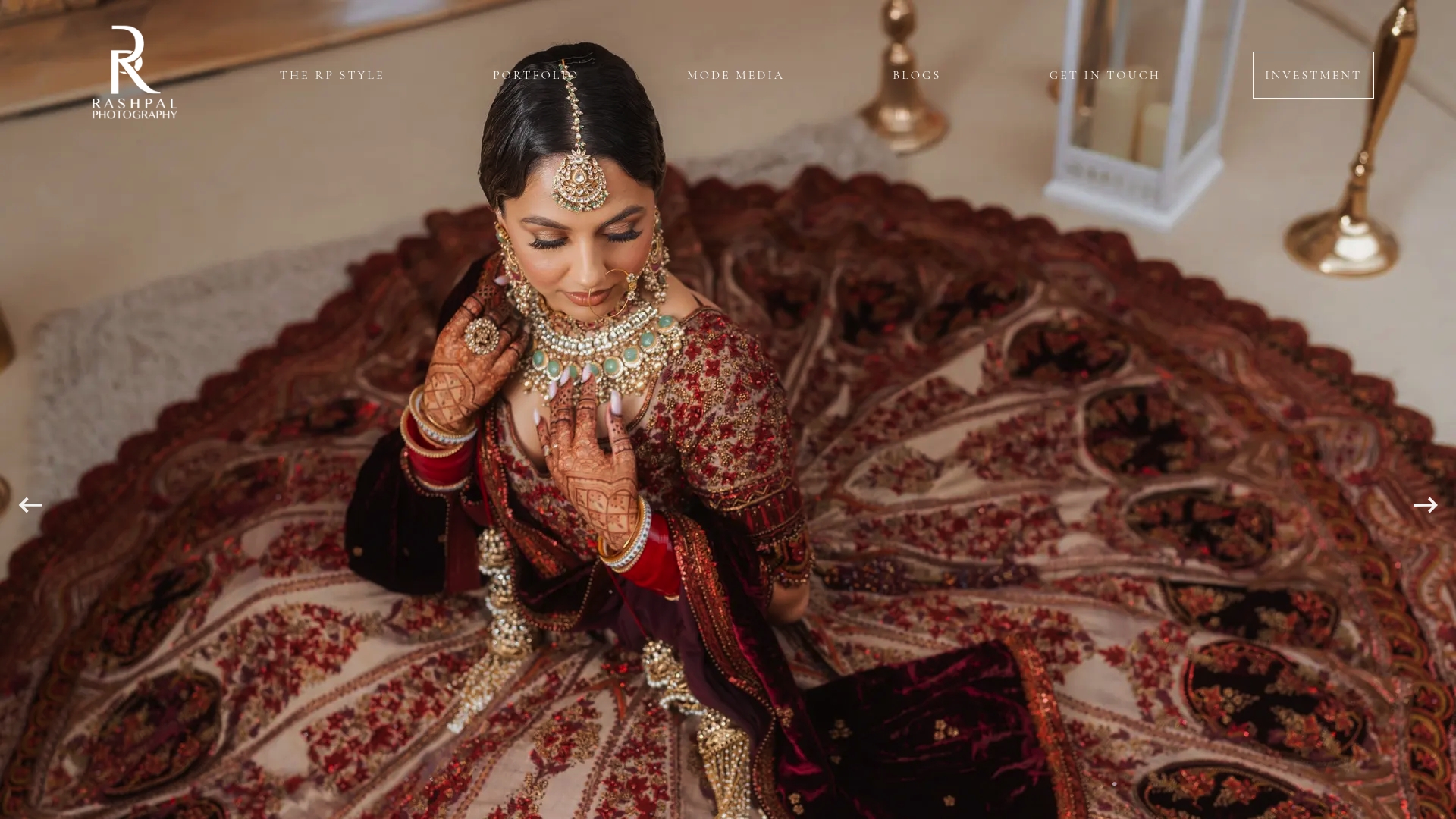
Explore our wedding portfolio to discover the breadth of stories we have had the honour of telling. When you are ready to discuss your own celebration, browse see our packages to find the right level of coverage, and review our transparent pricing so there are no surprises. We would love to hear about your wedding and begin crafting something truly timeless together.
Frequently asked questions
What sets contemporary wedding photography apart from traditional styles?
Contemporary wedding photography balances genuine, unscripted moments with subtle guided posing, creating images that feel emotionally authentic and visually elegant rather than stiff or purely candid. As the definitive guide confirms, it offers refined reality, elevating genuine moments through expert guidance without stiffness.
How do photographers incorporate Asian cultural traditions in the UK?
Experienced photographers plan the day around cultural rituals, using hybrid approaches to handle challenging conditions such as low-light venues or large family groups while maintaining creative consistency throughout.
Is contemporary wedding photography more expensive?
High-end contemporary packages in the UK typically exceed £3,000, reflecting the depth of technical expertise, cultural knowledge, and artistic vision required to document a complex, multi-ceremony celebration beautifully.
What questions should we ask our photographer before booking?
Ask to see a full wedding story from a comparable cultural celebration, discuss their specific approach to rituals and low-light ceremonies, and confirm their experience balancing creative posing with genuine documentary coverage throughout the entire day.
Recommended
- Capturing the beauty of an Asian wedding Rashpal Photography | Wedding Photographer Uxbridge, UK
- Classic Investment (14 Hours, 1 day, Engagement Shoot) Rashpal Bhachu | Rp photography Wedding Photographer, Uxbridge, UK
- The Minimalist Investment (8 Hours) Rashpal Bhachu | Rp photography Wedding Photographer, Uxbridge, UK
- Silver Engagement Shoot Rashpal Bhachu | Engagement shoots Wedding Photographer, Uxbridge, UK
- Destination Wedding Dress Ideas 2025: Trendy Looks for Every Style - DressMeUpNY