TL;DR:
- Choosing your wedding hairstyle is a highly personal decision that requires critical evaluation of images to ensure your style complements your features, dress, and venue. Bringing multiple angles, dress details, and accessories like your veil to your trial helps achieve a cohesive and enduring look. Selecting styles with intentional structure and texture ensures they photograph beautifully and last throughout your celebration.
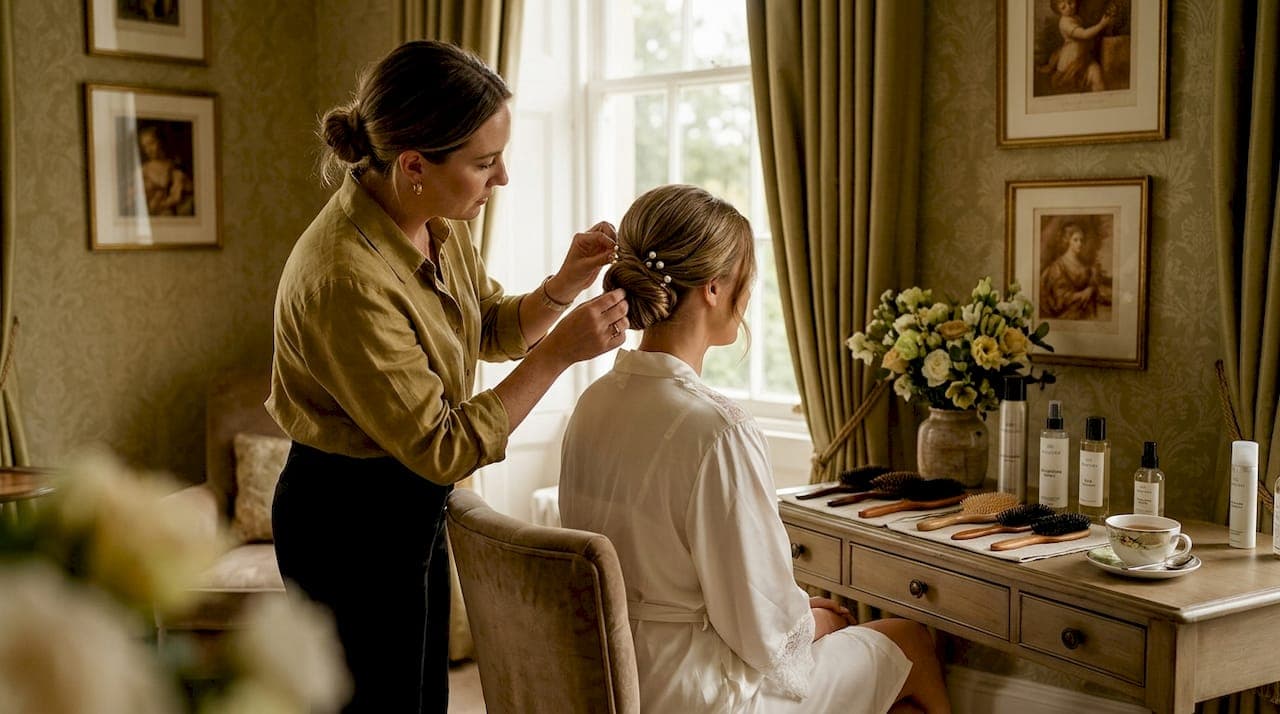
Choosing your wedding hairstyle is one of the most personal decisions you will make in the entire planning process. With thousands of bridal hairstyle photos circulating across social media, bridal magazines, and professional galleries, the inspiration can quickly feel more overwhelming than useful. The trick lies not in collecting more images, but in learning how to read them critically. This guide walks you through how to evaluate wedding hair style photos effectively, which hairstyle categories to explore, and how to use what you find to communicate your vision with confidence to your stylist.
Key takeaways
| Point | Details |
|---|---|
| Evaluate photos with intention | Choose bridal hair photos that show multiple angles and relate to your dress neckline and veil style. |
| Bring the right materials to trials | Bring 3 to 5 inspiration images alongside photos of your dress and accessories for precise stylist communication. |
| Explore all hairstyle categories | From regal updos to romantic loose waves, each category suits different hair types, venues, and wedding aesthetics. |
| Test longevity during the trial | A hair trial is a technical rehearsal, not just a preview; test hold under realistic conditions before the big day. |
| Book your stylist early | Secure your hairstylist 6 to 12 months in advance to avoid missing peak wedding season availability. |
How to effectively evaluate bridal hairstyle photos for your wedding
Most brides arrive at their first hair trial clutching a phone filled with dozens of saved images. That instinct is right, but the approach needs refining. Bridal hairstyle photos serve as communication tools, not just mood boards. To use them well, you need to look beyond surface beauty and consider how each style relates to your specific features, dress, and setting.
Start by considering your face shape and hair texture. A sleek, low chignon flatters a heart-shaped face beautifully but may not offer the same balance on a round face, where height at the crown often works better. Similarly, fine hair requires structural support that thick hair does not, and the photos you choose should ideally reflect a similar texture to your own.
When browsing a wedding hairstyle gallery, look for images that show the hairstyle from multiple perspectives. Front, side, and back views allow your stylist to accurately replicate both the aesthetic and structural details of a style, which is far more useful than a single front-facing portrait. Many photographs in glossy publications only show the finished front view, which can obscure vital construction details.
Your dress neckline and veil anchoring both shape the foundation of your hairstyle far more than most brides anticipate. Veil placement affects hairstyle construction directly, influencing pin placement and how volume is distributed across the style. Bringing your actual veil or headpiece to your trial appointment is not optional; it is the difference between a style that looks cohesive and one that feels disjointed by the end of the evening.
Pro Tip: Bring your stylist 3 to 5 inspiration photos alongside a photo of your dress neckline and a fabric swatch where possible. The more context you provide, the more tailored the result will be.
Key elements to look for when selecting photos:
- Clear back and side views showing structural detail
- Similar hair texture and density to your own
- Visible accessory placement and type
- Dress neckline compatibility
- Styling that suits your ceremony environment (indoor grandeur versus outdoor breeze)
1. Updos and chignons: timeless and photogenic
Updos are among the most popular choices in bridal hair photos, and with good reason. They photograph beautifully from every angle, keep hair away from the face during emotional moments, and tend to hold their shape through hours of celebration. There are over 80 updo variations available to modern brides, from messy textured buns to sleek vintage knots, braided updos, and low chignons with soft tendrils.
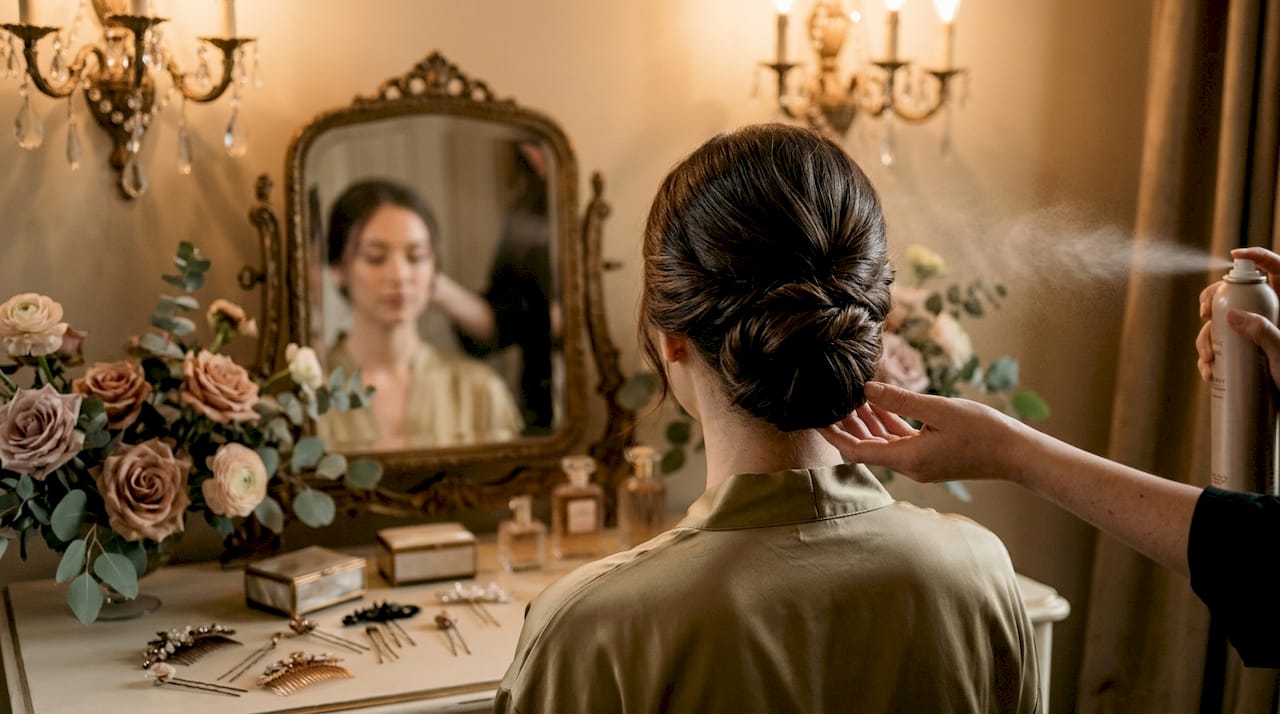
The chignon in particular offers a quality that few other styles can match: it is simultaneously formal and relaxed. A low chignon positioned at the nape of the neck reads as classic elegance, while a slightly loosened, textured version feels decidedly modern. When reviewing wedding hair style photos featuring chignons, pay attention to the amount of texture present and how the style interacts with the dress collar or neckline.
Visual qualities to look for in updo photos:
- Pin placement that creates deliberate, not accidental, volume
- Whether tendrils frame the face or pull back cleanly
- How the nape of the neck is finished, particularly important for low-back dresses
- The scale of the updo relative to the wearer's neck and shoulders
Pro Tip: If your gown has an intricate back detail or a sweetheart neckline, look specifically for bridal updo styles that reveal the neck and décolletage fully. The hairstyle and dress should frame each other, not compete.
Updos also offer a practical advantage that loose styles cannot always guarantee. Secured correctly with layered product and opposing-direction pinning, they can endure hours of celebration without losing their form. That technical durability matters enormously when photographs are being taken throughout an entire day.
2. Braids, half-up styles, and ponytails
This category sits at a beautiful intersection of structure and softness, offering versatility that appeals to brides across a wide range of wedding aesthetics. Crown braids, fishtail plaits, and braid halo styles have featured consistently in bridal hair inspiration over recent years, and their appeal lies in their tactile, artisanal quality.
Long-hair brides particularly benefit from braided styles, which can incorporate accessories such as pearl pins, vintage combs, or delicate gold vines with remarkable elegance. The braid creates a natural surface for embellishment, allowing accessories to nestle within the plait rather than sitting on top of it.
Popular styles in this category include:
- Crown braids: Wrapping the plait around the head for a regal, garden-party quality
- Fishtail plaits: Offering intricate texture that photographs with remarkable depth
- Braid halos: Softer than crown braids, ideal for boho or outdoor weddings
- Half-up braids: Combining the softness of loose waves with structured braiding at the crown
Half-up, half-down styles deserve particular mention because they offer what neither a full updo nor fully loose hair can provide on their own. The upper section remains structured and controlled, keeping hair away from the face during ceremony and speeches, while the lower section retains movement and romance. When searching for bridal hair inspiration in this category, prioritise photos that clearly show how the transition between the two sections is handled, as this is where the craftsmanship of the style truly lives.
Ponytails, often underestimated in bridal contexts, have found renewed favour in recent years. A sleek, low pony with a wrapped base reads as sophisticated and modern. A voluminous, slightly undone pony with curled ends offers a retro glamour that photographs with real drama.
3. Romantic loose hairstyles for soft, effortless brides
Loose styles occupy a different emotional register than updos. They feel intimate, free, and often deeply romantic. For brides choosing outdoor celebrations, beach settings, or relaxed garden ceremonies, beautifully crafted loose waves or brushed-out curls can feel far more authentically expressive than a structured updo.
Key loose style variations to explore in bridal makeup hairstyles photography include:
- Brushed-out curls: Rich in texture and volume, these photograph with cinematic depth and suit both short and long hair beautifully
- Loose waves with a side sweep: A sweep behind one shoulder creates an elegant asymmetry that frames the face on both sides beautifully
- Floral-accented loose hair: Fresh or dried blooms threaded through loose waves add a botanical quality that photographs with extraordinary delicacy
- Vintage hair vines: Fine gold or pearl vines woven through the hair offer structure without formality
The honest caveat with loose styles is longevity. What looks effortlessly beautiful in a morning getting-ready photograph can look considerably less so by the evening reception if the hold was not built correctly from the outset. Trials must test hairstyle longevity under conditions that simulate the heat and movement of an actual wedding day. That means wearing the style for several hours after the appointment and noting how it settles.
Pro Tip: After your hair trial, take your own photographs at one, three, and five hours to track how the style evolves throughout the day. This gives you far more useful information than any single portrait taken immediately post-styling.
4. Comparing bridal hairstyle photos: durability, suitability, and photographic appeal
Not all hairstyles that look breathtaking in photographs will survive a full wedding day, and this is one of the most important distinctions to make when building your bridal hair inspiration collection. The goal is to find styles that look beautiful in photos AND endure through ceremony, reception, and beyond.
Extensions in bridal styling are used not merely for added length but for structural support, as the uniform cuticle direction helps curls hold and reduces the loosening effect of natural scalp oils throughout the day. This is worth knowing when you see a photograph of a bride with impossibly perfect curls that seem to maintain their shape across an entire album; extensions were likely involved.
| Hairstyle style | Longevity | Suitability | Photographic appeal |
|---|---|---|---|
| Low chignon | Excellent | Most hair types | Regal, elegant from all angles |
| Loose waves | Moderate | Thick, long hair | Romantic, cinematic depth |
| Crown braid | Very good | Medium to long hair | Intricate texture, editorial quality |
| Half-up style | Good | Versatile across lengths | Balanced structure and softness |
| Sleek ponytail | Excellent | Straight or fine hair | Modern, sophisticated |
| Floral loose style | Moderate | Long or layered hair | Delicate, botanical romance |
The photographs you bring to your stylist should include back and side views specifically for styles in the moderate longevity category. Your stylist needs to understand the construction beneath the surface beauty in order to make informed decisions about product, pinning, and timing. A hair trial booked 2 to 4 months before your wedding ensures your hair is closest to its actual wedding-day condition, giving the most accurate trial results.
It is also worth considering your wedding environment. Outdoor summer celebrations introduce humidity that can soften curls and loosen pinned styles faster than an air-conditioned reception venue would. When reviewing bridal hair photos for outdoor ceremonies, look for images from comparable settings and note how the style has aged through the event, not just how it appeared at the start.
My perspective on selecting the right bridal hair photos
In my experience photographing weddings across London and internationally with Rashpal-photography, the brides who arrive at their wedding morning feeling most confident and relaxed are those who treated their hair trial as a serious creative session rather than a casual preview. I have seen beautiful hairstyles begin to unravel before the ceremony has concluded, not because of any failing in the stylist's skill, but because the brief was based on a single front-facing photograph that gave no indication of how the style was constructed.
What I find consistently true is this: the most photogenic hairstyles are rarely the most elaborate ones. Styles with deliberate texture, a clear silhouette, and thoughtful accessory placement create something the camera responds to beautifully, whether you are capturing detail shots during the getting-ready sequence or full portraits in the afternoon light. I would always encourage a bride to prioritise how her hairstyle will read across a full set of images rather than in a single posed portrait.
The interplay between hairstyle and veil is something I cannot overstate. The moment a veil is added to a style and the bride turns away from the camera, that image becomes one of the most emotionally charged in the entire wedding album. Getting that angle right means knowing, before the wedding day, exactly how the veil will sit and move. Bringing your veil to the trial is the single most practical thing you can do. For advice on how your poses interact with your styling choices, our guide on posing for wedding photos offers a useful companion to this process.
— Rashpal
Preserve your bridal hair in photographs that last a lifetime
Your hairstyle will be one of the most intricate and personal elements of your entire wedding aesthetic. Preserving it in high-quality, beautifully composed photographs is not simply a nice addition to your wedding planning; it is part of honouring the care and artistry that went into every pin, plait, and carefully chosen accessory.
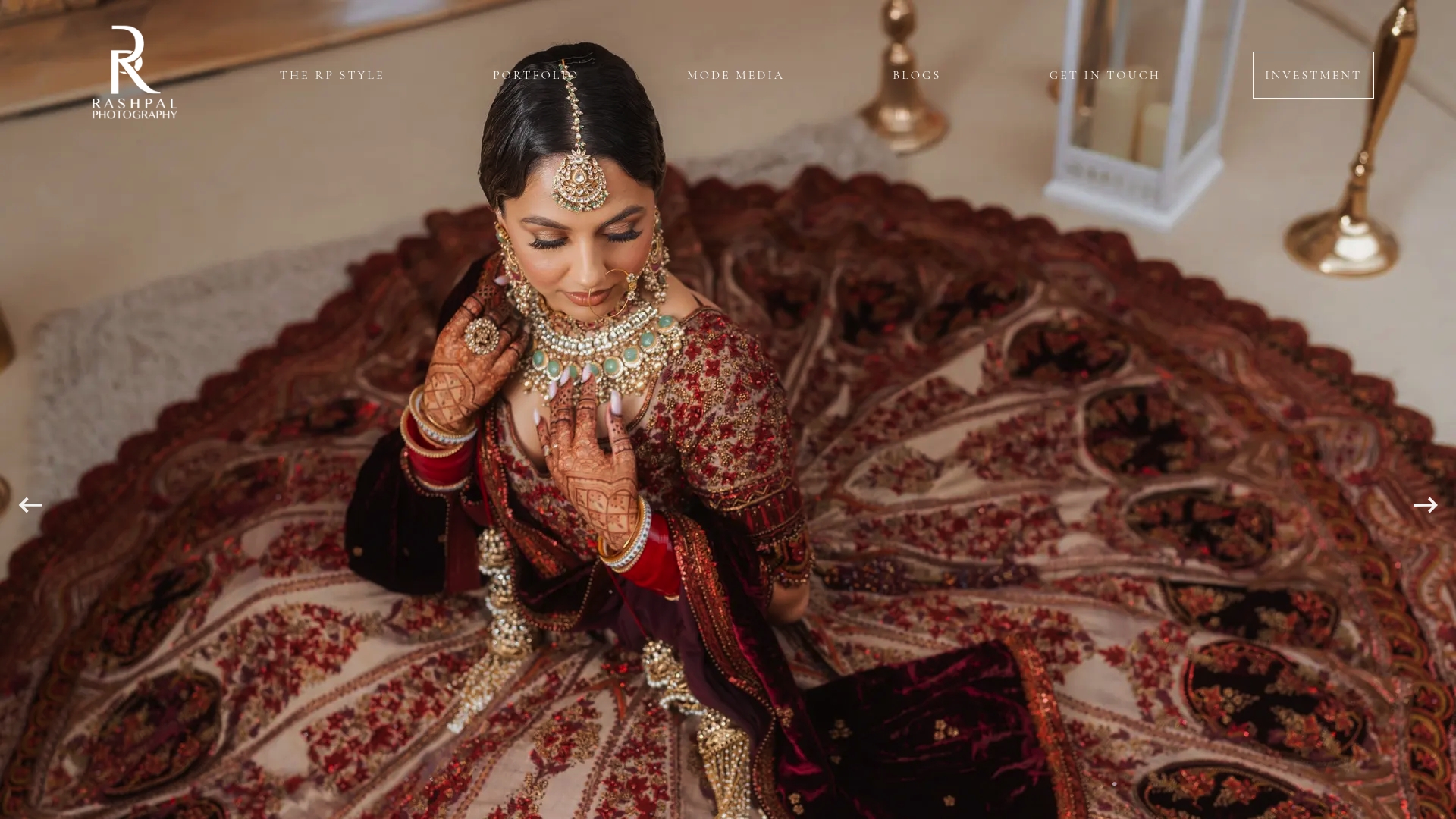
At Rashpal-photography, our packages are built to capture every refined detail of your bridal preparation, from the quiet intimacy of the getting-ready suite to the full grandeur of your ceremony entrance. The Classic Investment package offers 14 hours of coverage alongside an engagement shoot, providing the space to document your bridal hairstyle and overall look with the depth it deserves. With peak wedding seasons booking well in advance, early enquiries are warmly welcomed. We would love to talk through how our approach can preserve your bridal styling in images that feel timeless.
FAQ
How many bridal hairstyle photos should I bring to my trial?
Bring 3 to 5 inspiration photos that show multiple angles, alongside images of your dress neckline and veil. This gives your stylist the context needed to tailor the style to your specific look.
When should I book my wedding hairstylist?
Book your stylist 6 to 12 months before your wedding to secure your date, particularly during peak summer and autumn seasons. Schedule the hair trial 2 to 4 months before the wedding so your hair condition matches the actual day.
Which bridal hairstyle lasts the longest?
Structured updos and sleek ponytails typically offer the greatest longevity, especially when built with layered products and secure pinning techniques. Loose styles can last well if your trial confirms strong hold under realistic wearing conditions.
Do I need to bring my veil to the hair trial?
Yes, absolutely. Veil anchoring directly affects how your stylist constructs the underlying structure of your hairstyle, including pin placement and volume distribution. Without the veil present, the trial is incomplete.
What makes a bridal hairstyle look beautiful in photographs?
Styles with clear silhouettes, deliberate texture, and thoughtful accessory placement translate most effectively on camera. Ensure your chosen photos include back and side views so both you and your photographer understand the full dimension of the look.
Recommended
- How to Pose for Perfect Wedding Photos Rashpal Photography | Wedding Photographer Uxbridge, UK
- How To Pick Your Wedding Bridesmaids Rashpal Photography | Wedding Photographer Uxbridge, UK
- Blogs Rashpal Photography | Wedding Photographer Uxbridge, UK
- 6 Ways To Arrive At Your Asian Wedding In Style! Rashpal Photography | Wedding Photographer Uxbridge, UK